
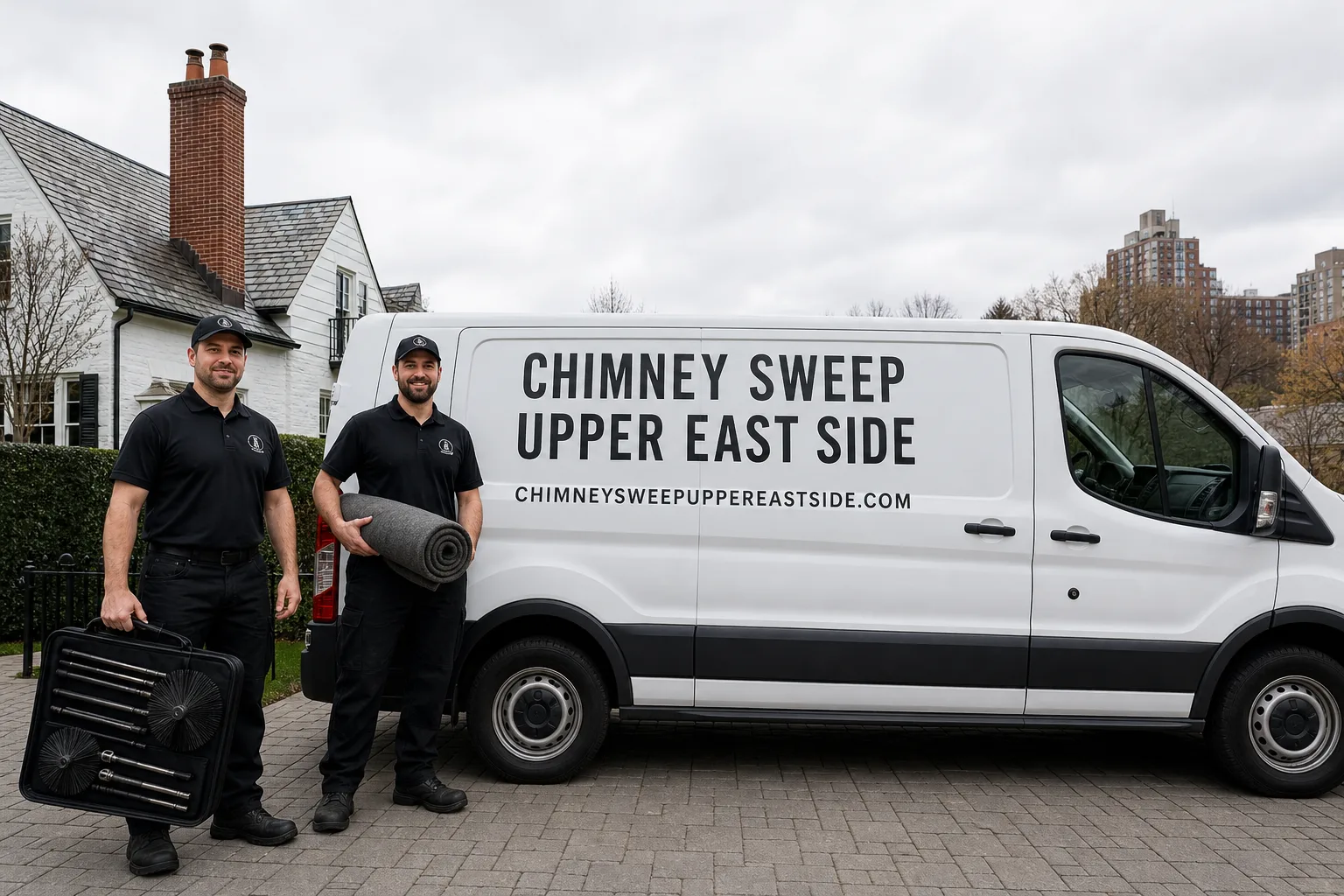
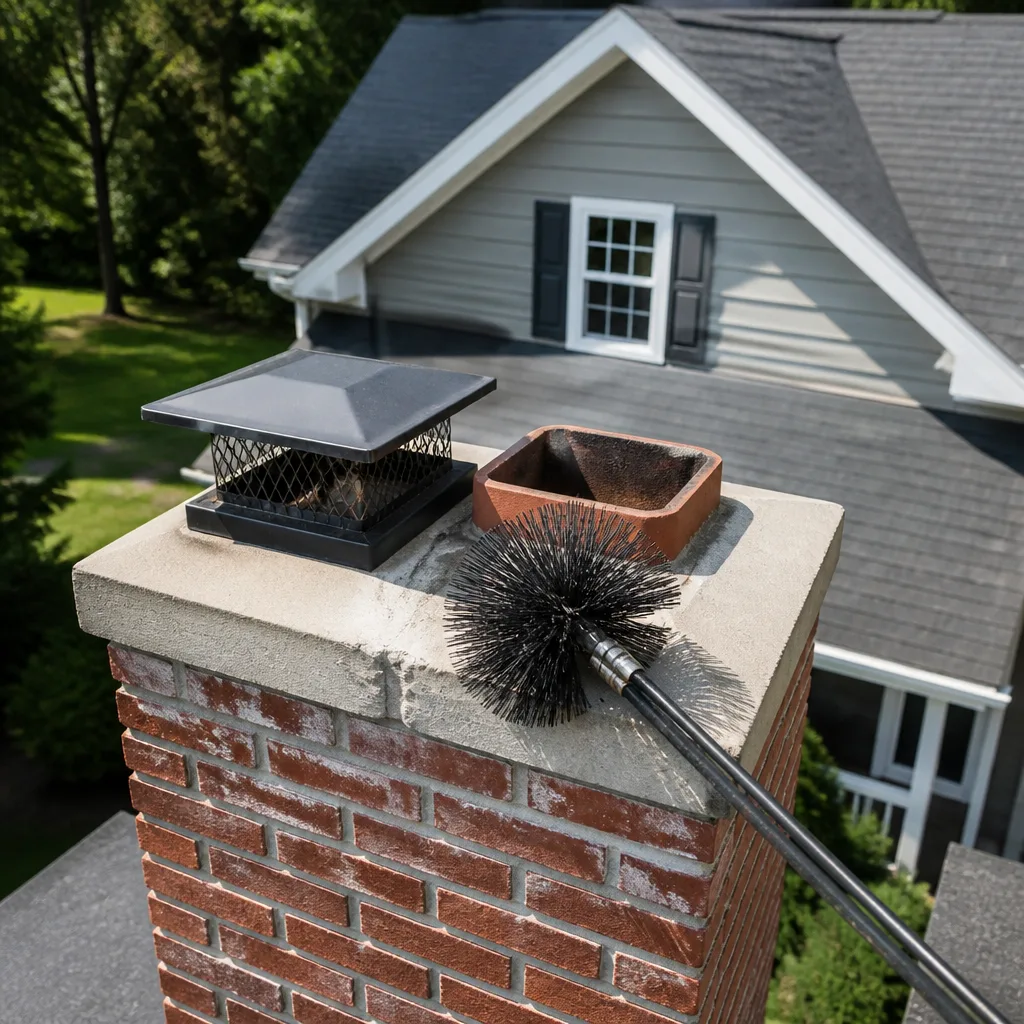
 Sweep & inspection
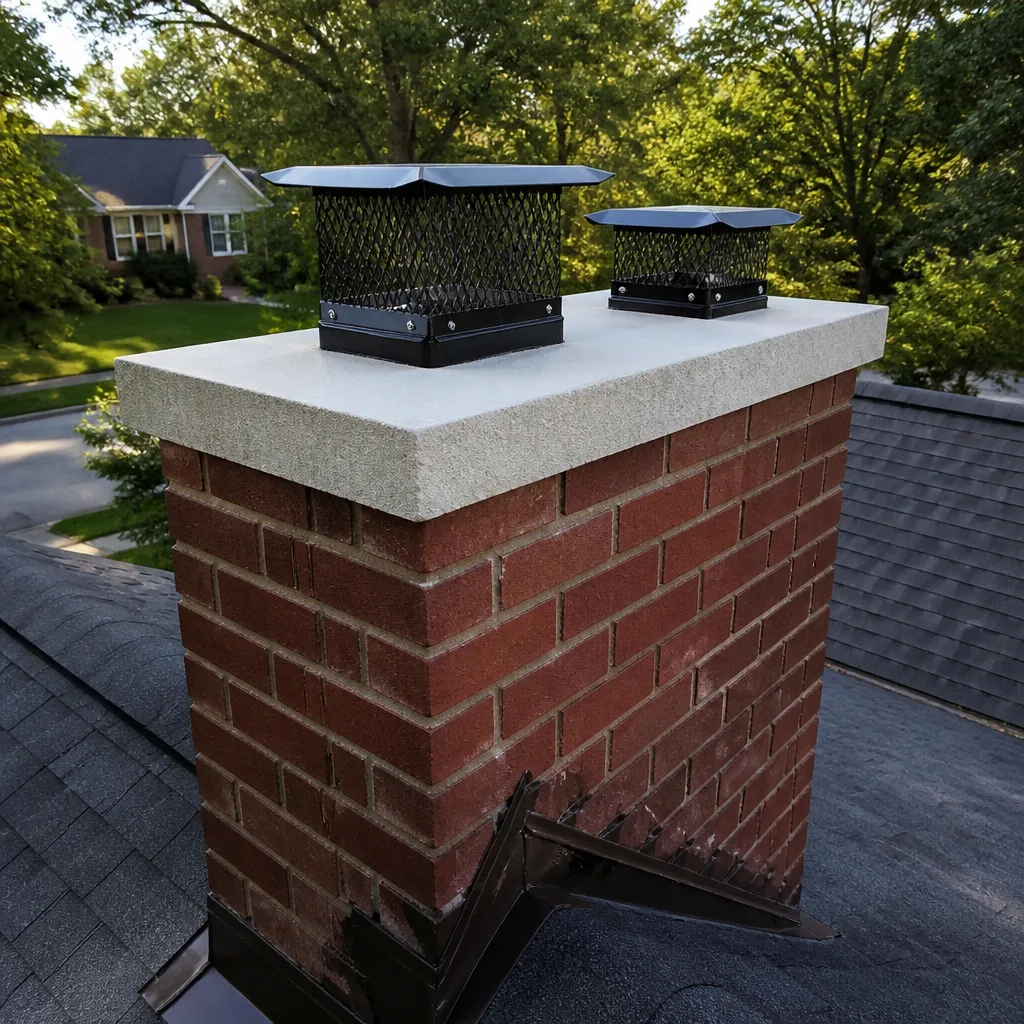 Caps & crowns
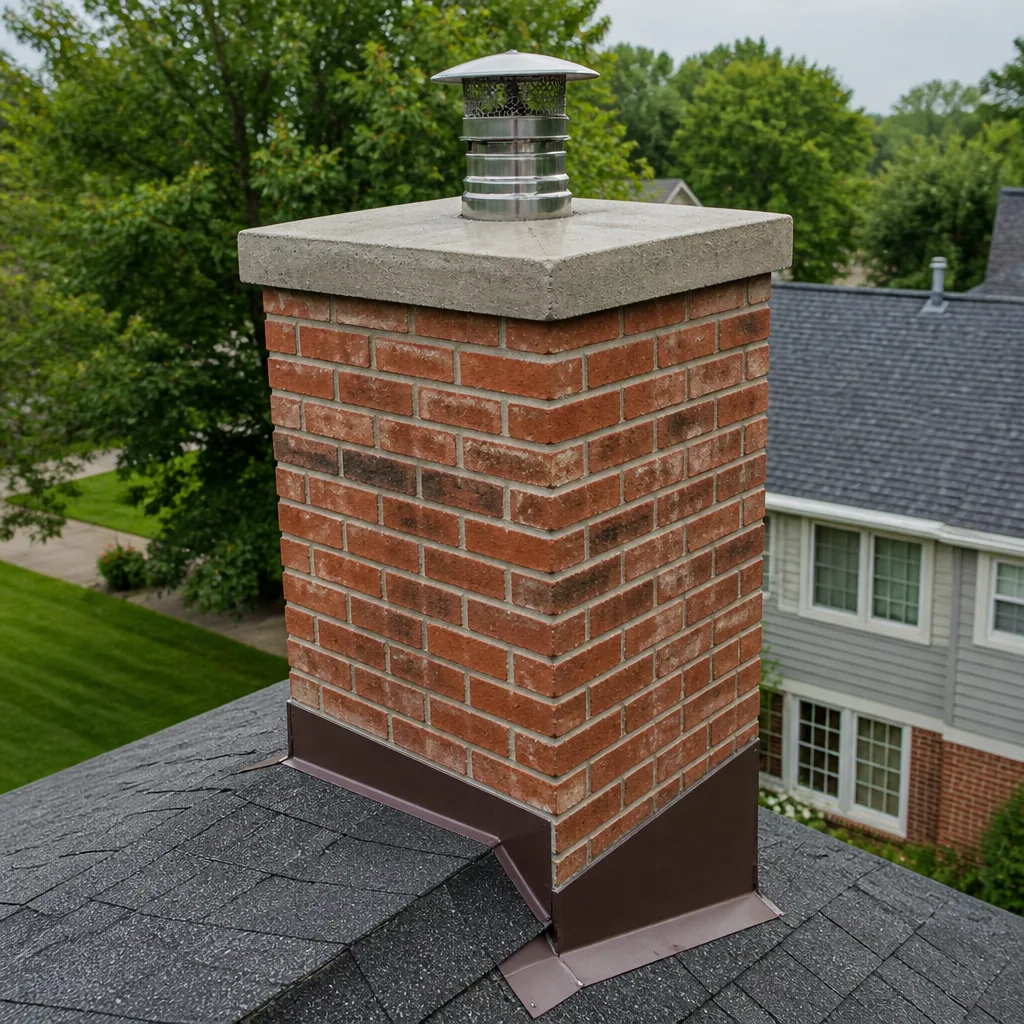 Flue relining
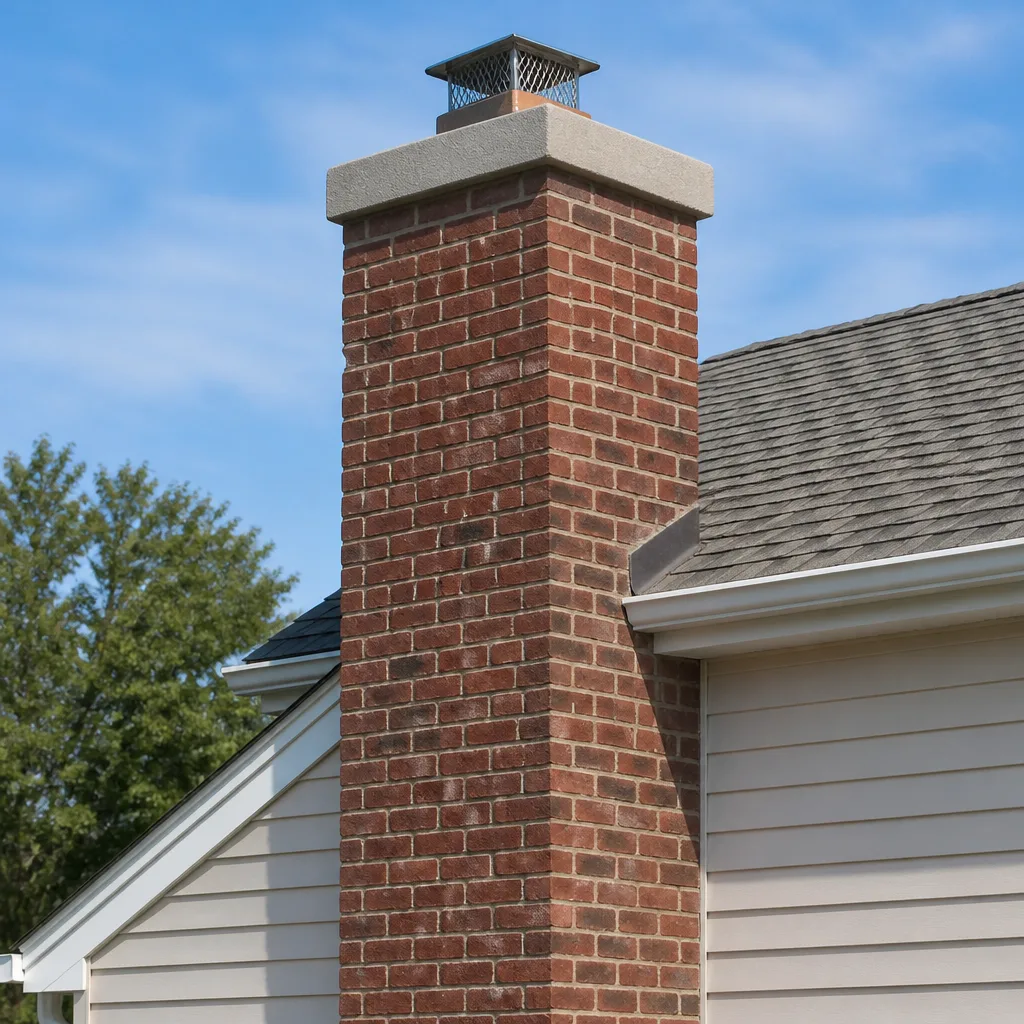 Masonry repair
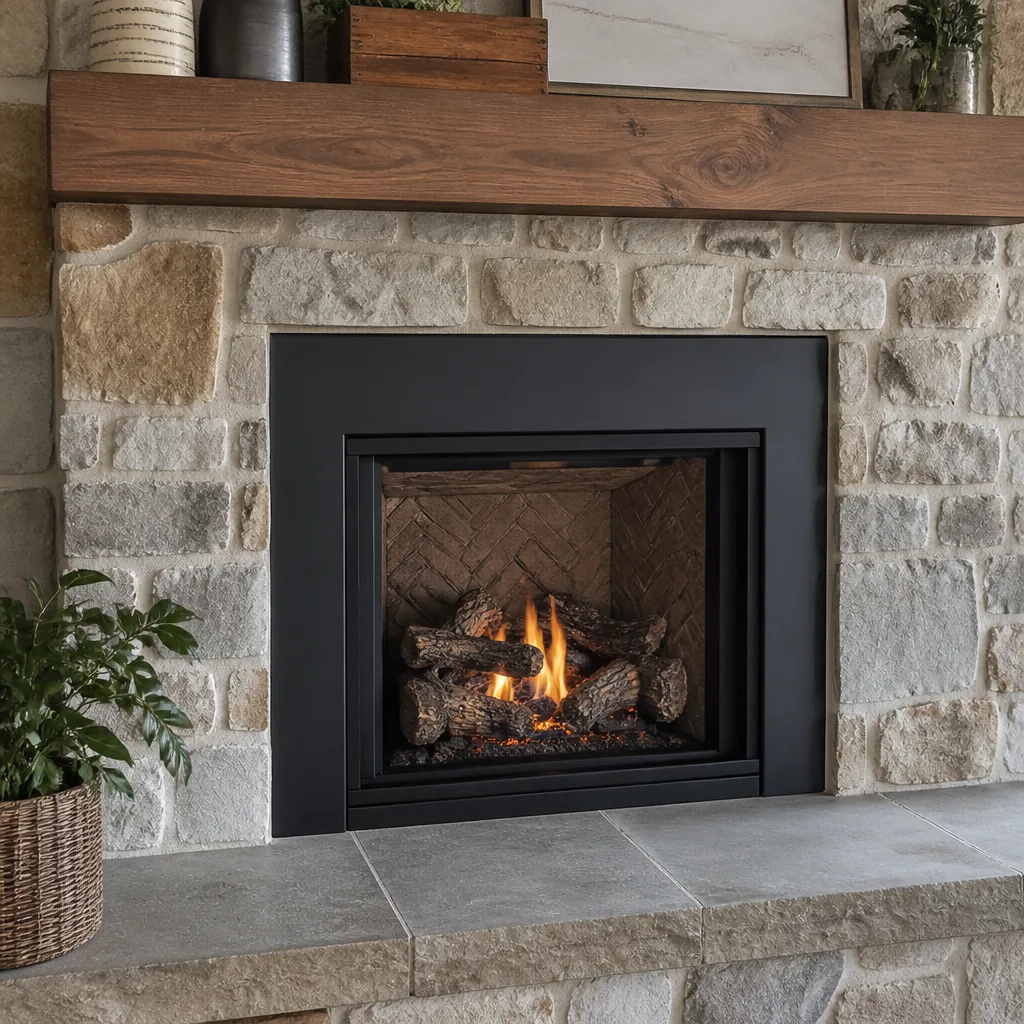 Gas fireplace service
Level 1 sweep and inspection to the NFPA 211 annual standard - flue, crown, cap, and flashing checked and photographed
Chimney sweep logs do not sweep chimneys. They loosen some creosote - which then falls where a brush and vacuum still have to collect it.
Fast, Reliable Chimney Inspection Across Long Island City
Chimney inspection in Long Island City is a different job than it is a mile west in Queens. Here, a large share of the fireplaces you’ll find are sealed gas inserts behind decorative surrounds in waterfront towers, or inactive brick flues in converted lofts, and the inspection is as much a documentation exercise for building managers and insurers as it is a cleaning. We work the whole range: the high-rises along the East River, the loft conversions off Vernon Boulevard, the low-rise stock near the 11101 code. One inspection covers your entire chimney system. Before we sweep, we look. Before we quote, we inspect. Call (877) 492-4134 to book a visit.
Why Long Island City Homeowners Call Chimney Sweep Upper East Side for Chimney Inspection
We’re a chimney and hearth trade specialist, not a general home-services add-on, and that shows up in how we inspect. A lot of the work we do in Long Island City is documentation: a sealed gas insert that hasn’t been looked at in three years still needs an annual cleaning and a written record, because the building manager and the underwriter both want to see it. We deliver that in a form that holds up.
Our technicians have up to 10 years of experience, and that matters most on the rooftop terminations. They know what a galvanised cap looks like after a few seasons of salt air and what a stainless cap looks like after the same exposure. They know the difference between cosmetic rust bloom and pitted flashing that’s already letting water in. And they know the loft buildings where an original brick chimney has sat idle since the 1990s and needs a liner assessment before anyone declares the fireplace safe.
We work with Long Island City building managers regularly enough to understand their paperwork. That means a camera inspection with a photo report you can forward, not a verbal hand-wave. When you call, you get a booked sweep and a written estimate that sets the final price. Nothing is recommended without camera evidence you can see yourself, and we’ll say plainly when work can safely wait.
Styles & brands we work with
- Sweep & inspection
- Caps & crowns
- Flue relining
- Masonry repair
- Gas fireplace service
Our Chimney Inspection Services in Long Island City
We do every level of chimney inspection the trade recognizes, plus camera work when the interior of the flue needs a look. Here’s what each one covers and when it fits a Long Island City home or building.
Level 2 Inspection in Long Island City
This is the inspection most Long Island City transactions call for, whether you’re selling a condo, renewing an insurance policy, or converting a loft. It covers the accessible portions of the chimney, the firebox, the damper, and the visible venting, plus a look at the rooftop termination with a camera where needed. In East River high-rises, that rooftop look is often where the real finding shows up: a cap that’s pulled loose from its collar and flashing that’s lost its seal to salt-driven corrosion.
Camera Inspection in Long Island City
When a brush or a visual check can’t see what’s going on inside the flue, a camera can. This matters most in converted industrial lofts where an original brick flue has been inactive for decades and the interior can hold cracked flue tile, spalled mortar, or a heavy glaze of third-degree creosote that a brush will skate right over. A camera inspection gives you a photo report you can keep, and it’s the evidence base for any repair we recommend.
Level 1 Inspection in Long Island City
For a fireplace in active, documented service, a Level 1 inspection is the annual check: accessible portions of the chimney, the firebox, and the connections, verified visually. In the newer towers, this is what a sealed gas insert typically needs each year to stay on the building manager’s good side and to satisfy the annual-cleaning language in most warranty terms. It’s fast, and it’s the right scope for a flue with no known problems.
Level 3 Inspection in Long Island City
A Level 3 is an invasive inspection, and we only recommend it when the earlier levels surface a specific concern that requires opening concealed areas, like a chimney chase inside a wall. In Loft-conversion buildings where brick has been enclosed behind newer finishes, that’s a real possibility, and we walk you through exactly what needs to come open and why before anything is disturbed. If a Level 1 or 2 is enough, we’ll tell you so.
Real Estate Inspection in Long Island City
When a Long Island City condo or loft changes hands, a real estate inspection documents the fireplace’s actual condition for both sides of the transaction. We check the cap, crown, flashing, flue, firebox, damper, and venting, and we put the findings in writing with photos, so the buyer and seller know what’s a fair repair item and what’s not. This is where the salt-air story usually surfaces on the towers, and where an inactive original flue surfaces in the lofts.
Trusted Brands We Service in Long Island City
We install and work with professional-grade chimney components from brands you’ll recognize once you’ve had chimney work done: DuraFlex and Copperfield for liner systems, HeatShield for ceramic flue resurfacing, Olympia Chimney and Gelco for caps and terminations. We don’t stock these on a truck and we don’t carry inventory locally. What we do is source the right component for your flue type and install it with matched parts from a single manufacturer, which avoids the warranty gaps that come from mixing brands across a repair. That’s the point of working with a dedicated chimney trade rather than a generalist: the supply chain is specific, and the fit is right.
Common Chimney Inspection Problems We See in Long Island City Homes
- Salt-air corrosion on caps and flashing. The salt-laden river air eats galvanised caps and flashing on the rooftops of East River towers years before the flue liner or firebox shows any problem. A Level 2 inspection on a waterfront building often turns up a cap that’s pulled loose from its collar and pitted flashing that’s quietly letting driven rain into the smoke chamber.
- Sealed gas inserts mistaken for maintenance-free. In the luxury condos along the river, a decorative surround can hide a vented gas insert that still needs an annual cleaning to manage carbon monoxide risk. When that annual service lapses, the building manager flags the unit at the next compliance review.
- Cracked crowns and spalled brick on inactive lofts. Winter freeze-thaw cycles crack the chimney crown and spall brick on original chimneys in converted 19th-century industrial buildings. Once that path opens, water runs into the smoke chamber and the masonry keeps degrading through the humid summers.
- Third-degree creosote in flues that haven’t been swept. In a converted loft that burned wood before the conversion, a glazed layer of creosote can sit in the flue for years, and a brush will pass right over it. That’s where a camera inspection earns its keep.
Pricing for Chimney Inspection in Long Island City, NY
Chimney inspection pricing in Long Island City runs from a short annual visual check to a full camera-documented survey. A typical Level 1 inspection runs $150 to $300. A Level 2 in Long Island City, which adds the rooftop termination and camera look, runs $250 to $500, and camera inspection of the interior flue runs $250 to $450. Loft conversions with an inactive original flue and real estate inspections with a full photo report tend toward the upper end. A Level 3, if it’s ever warranted, starts higher and is always scoped and quoted before any work begins. The written estimate sets the final price, and the estimate itself is free. Nothing is recommended you can’t see, and nothing gets sold on fear.
See the difference
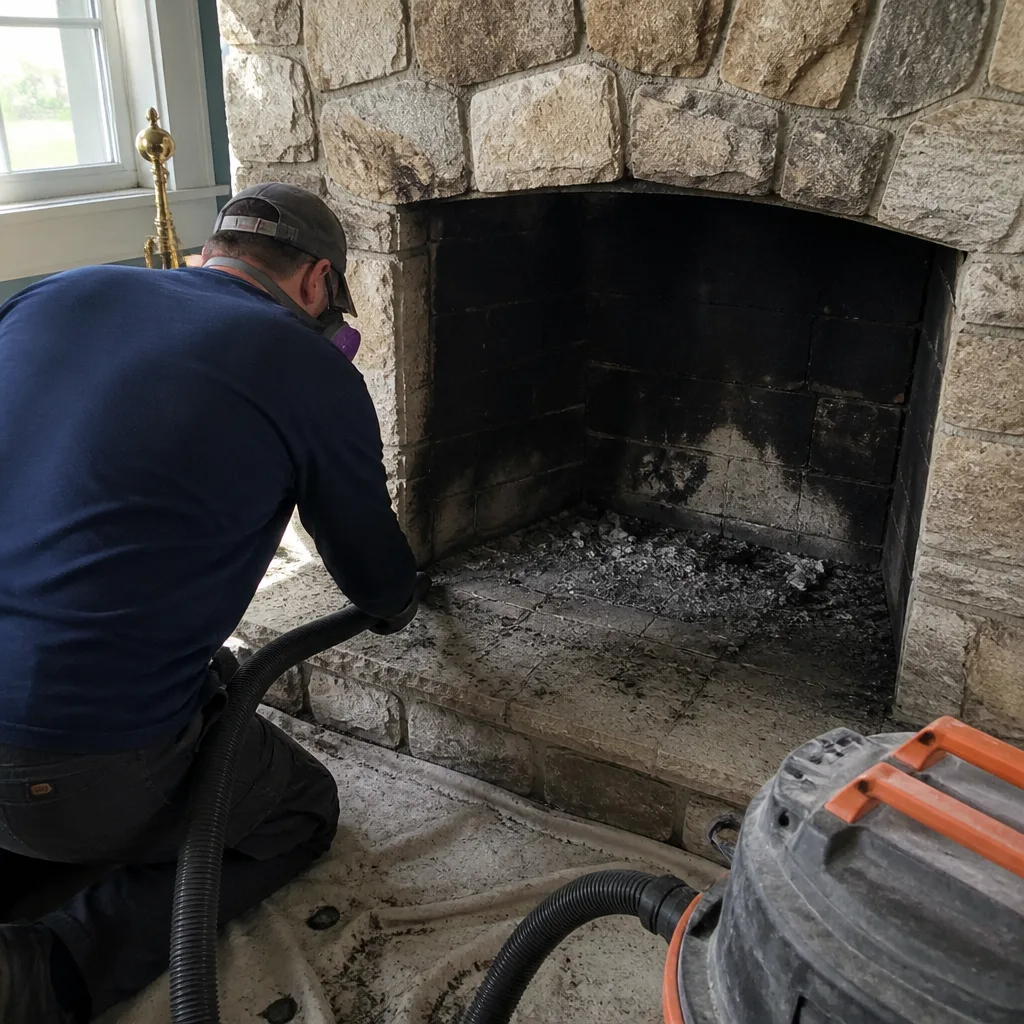 Before
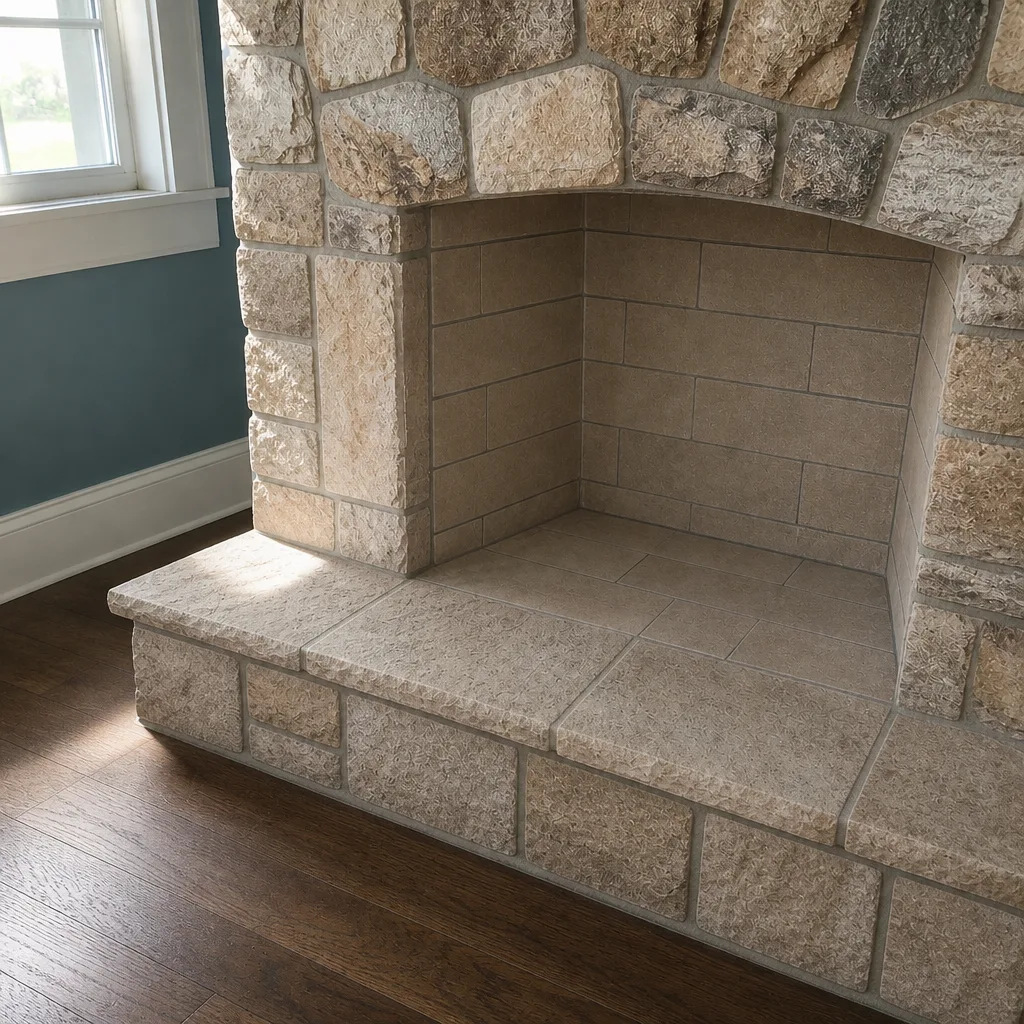 After
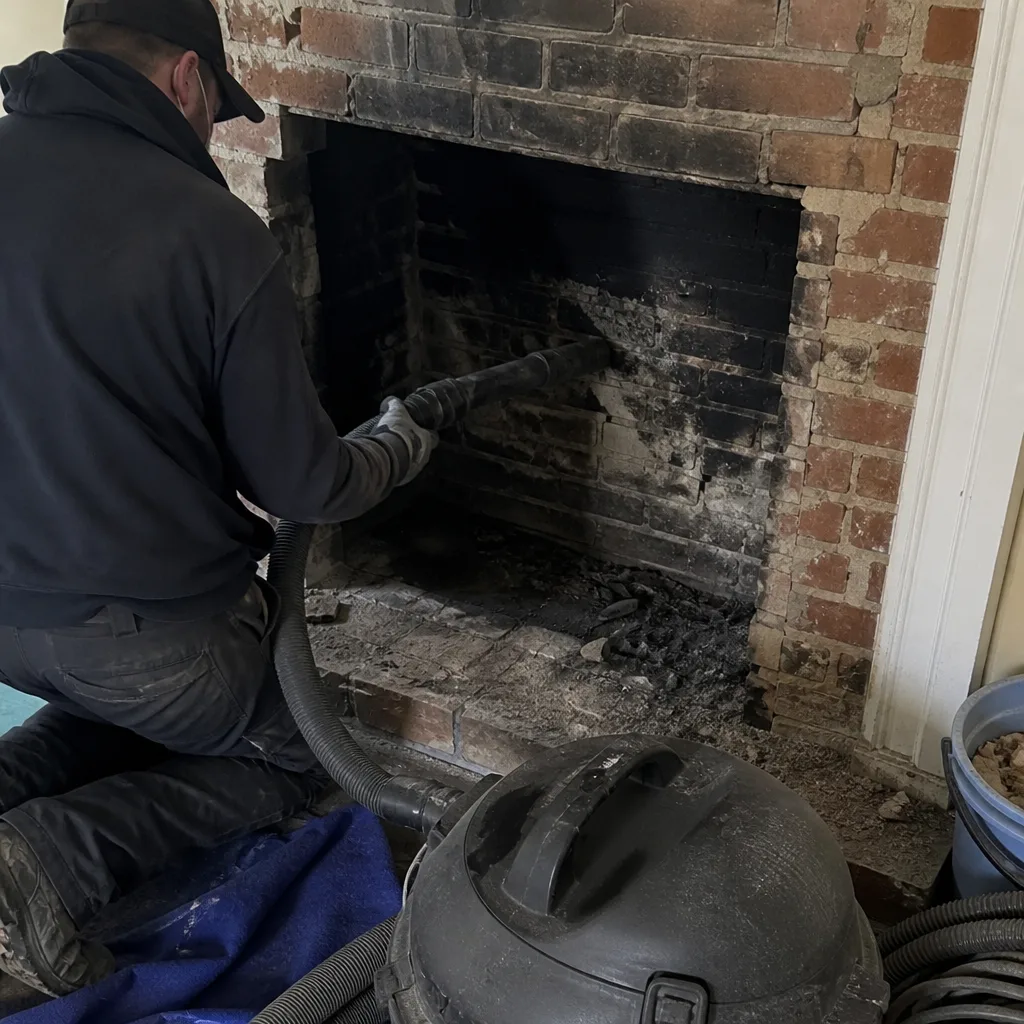 Before
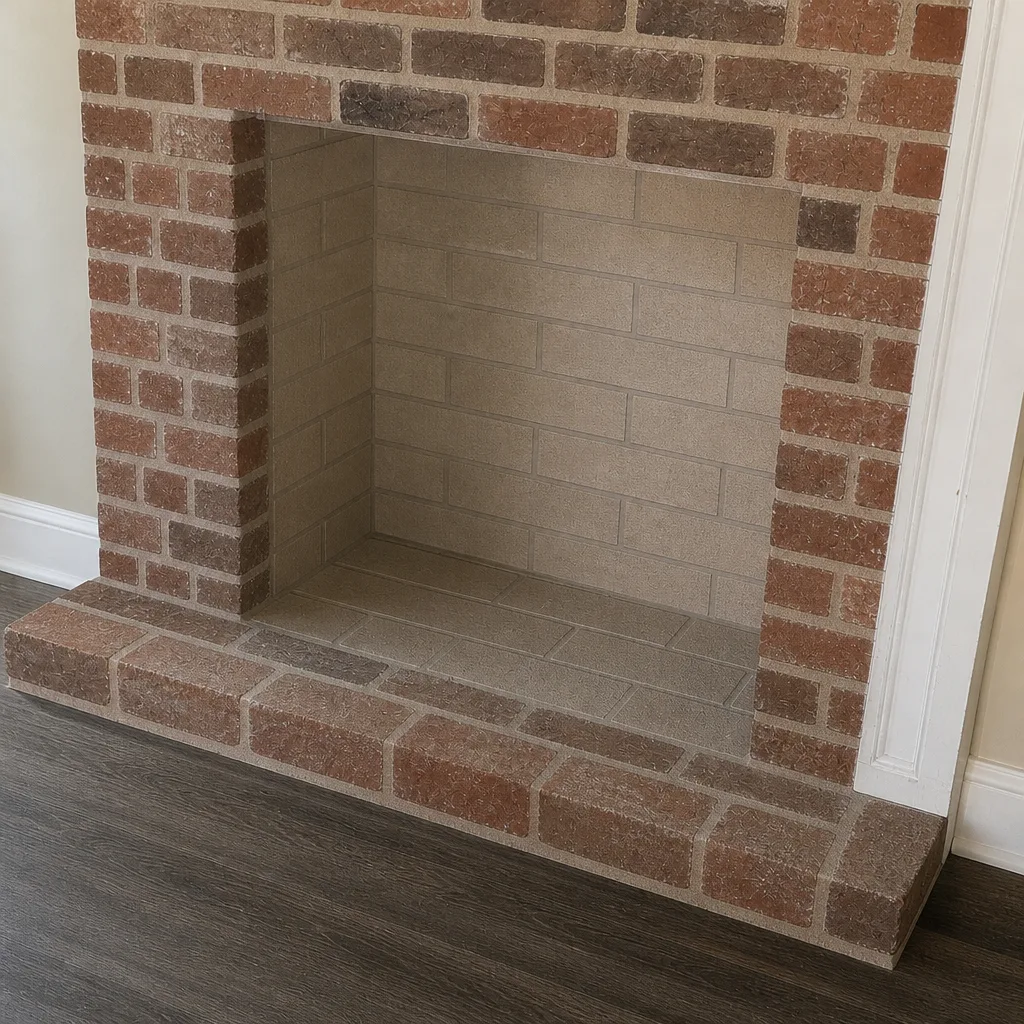 After
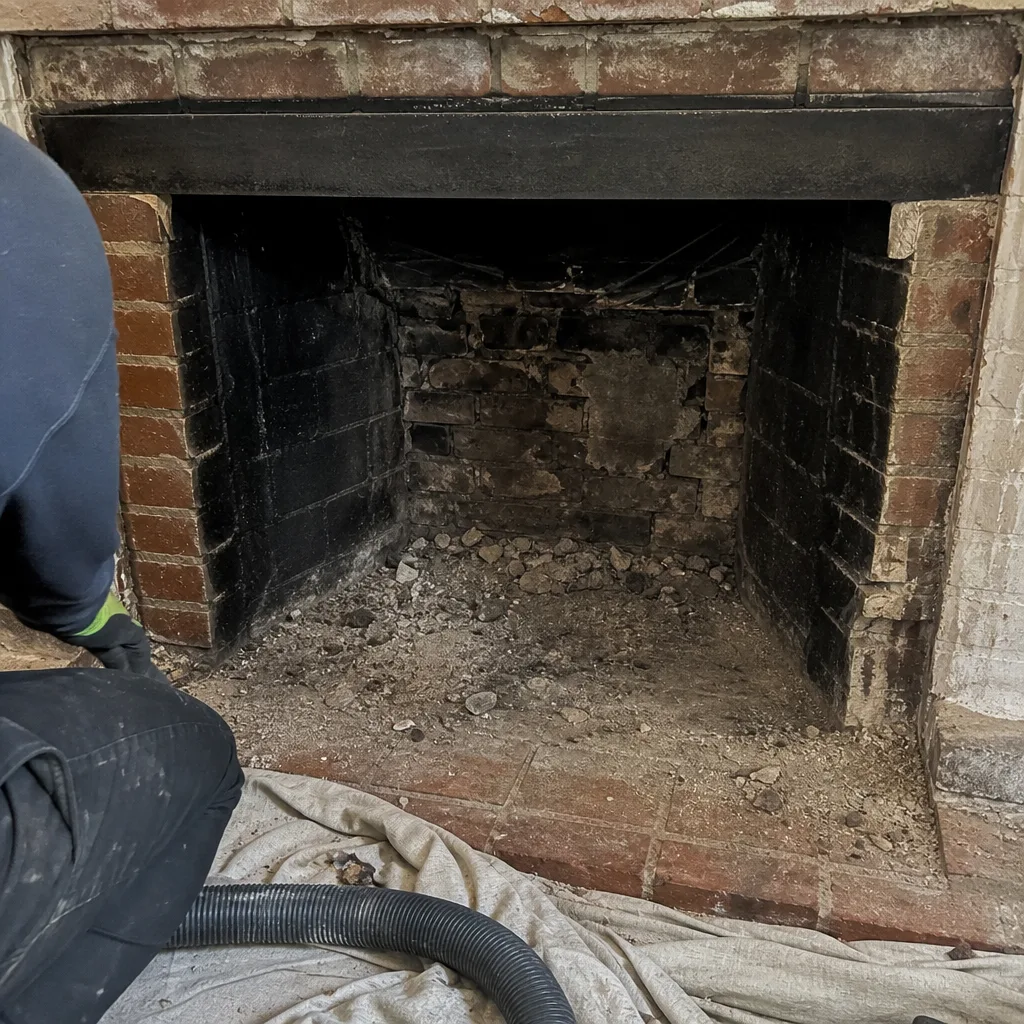 Before
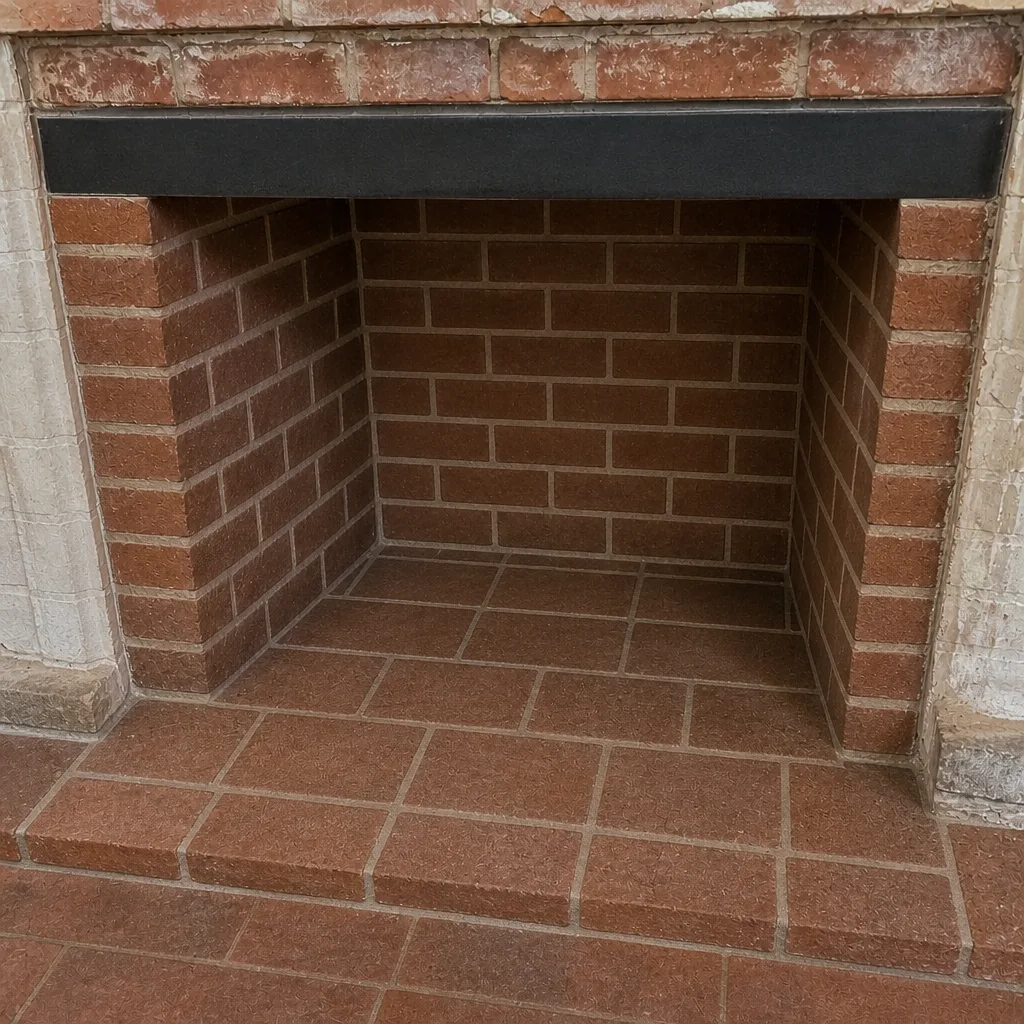 After
We Also Serve Cities Near Long Island City
Long Island City sits at the center of a tight cluster of neighborhoods we cover, and we work them all the same way: Roosevelt Island and Greenpoint across the water, Kips Bay to the west, and the Upper East Side just across the river. Same inspection levels, same camera documentation, same written report. If you’re in one of those or here in Long Island City, the process starts the same way: call and book a visit.
Serving Long Island City, NY – Our Local Coverage Area
We serve Long Island City and nearby communities. Use the map below to see the area we cover. If you’re nearby, we can almost certainly help.
FAQs – Chimney Inspection in Long Island City
Yes. A sealed gas insert still needs an annual cleaning and a documented inspection, even if you never light it, because the venting can corrode, the flue can leak, and the building manager or your insurer will eventually ask for the record. We treat this as a documentation exercise as much as a cleaning, and we give you a written report you can hand to the building. Call (877) 492-4134 for an exact quote; estimates are free.
Salt air is the reason. The East River waterfront exposure corrodes galvanised caps and flashing on rooftop terminations years before interior masonry shows any wear, while Queens rowhouses set back from the water don’t see the same salt load. The fix is a stainless replacement and a compatible sealant on the flashing, and a Level 2 inspection catches it early. Call (877) 492-4134 and we’ll book the inspection.
A Level 1 is a visual, accessible-parts annual check; a Level 2 adds the rooftop termination and camera access to the flue, plus a fuller look at the connections. For a loft conversion with an original brick chimney, a Level 2 is usually the right call, because you need to know what’s inside an inactive flue before anyone declares it safe. Call (877) 492-4134 to book it.
First, the crown and the exposed brick for freeze-thaw spalling and cracks, then the flue interior for cracked tile, failed mortar joints, and any glazed creosote left from before the conversion. Those are the failure points that let water into the smoke chamber or create a hazard if the fireplace is used again. A camera inspection confirms what a visual check can only guess at. Call (877) 492-4134 for a quote.
Yes. Third-degree creosote is a hard, glazed layer that a brush will pass right over, and a camera inspection sees it directly. That’s why we run a camera on any loft flue with an unknown burn history before we recommend a sweep or a liner repair. You’ll see the photos yourself before anything is done. Call (877) 492-4134 and we’ll put the inspection on the books.
What Long Island City’s Salt Air and Sealed Condo Stock Mean for Your Inspection
Long Island City’s East River high-rises carry a large share of sealed gas inserts behind decorative fireplaces. That changes what an inspection is for. In a lot of these units, you’re not cleaning a wood flue; you’re producing documentation that a building manager can file and a warranty underwriter can accept. The interior masonry in a modern tower rarely shows wear in its first decade, but the rooftop termination is a different story. The salt-laden river air corrodes the cap and flashing seasons before anything inside the building looks wrong. Put those two facts together and you get the local pattern: the thing worth inspecting first is often the outside of the chimney, not the inside.
A typical waterfront-tower visit goes like this. The technician goes up to the rooftop termination and finds the galvanised cap showing rust bloom with flashing that has pitted through. A Level 2 inspection usually turns up a cap that’s pulled loose from its collar, and driven rain is getting into the flue. The remedy is to swap the galvanised cap for stainless, re-seal the flashing with a compatible sealant, and camera-check the sealed insert flue while the tech is still on the roof. In a converted 19th-century loft building the same visit lands somewhere else: spalling brick at the chimney crown and an inactive brick flue that needs a liner assessment before the fireplace can be documented safe. That’s the split in this neighborhood. Your building tells us which inspection you actually need.
When to Book, and What to Have Ready
The urgency here is seasonal, not hourly. Book before the heating season arrives, and get the rooftop termination looked at before a winter of freeze-thaw does its work on the crown. When you call, tell us the building type and whether the fireplace is wood, gas, or inactive. It’s the fastest way to land on the right inspection level. Call (877) 492-4134. We answer 24/7. Fast dispatch from 7am to 7pm, Sunday through Friday. Estimates are free, and the written estimate sets the final price.
We handle chimney inspection across Long Island City and the surrounding neighborhoods, and our team is ready to inspect, document, and recommend only what the evidence supports. If you’ve been told you need a liner or masonry work, ask to see the camera report first. That’s how our chimney inspection team works, and it’s why we tell you plainly when work can wait. Call (877) 492-4134 to schedule your free estimate.
Written by the team at Chimney Sweep Upper East Side.