
Last updated November 25, 2026
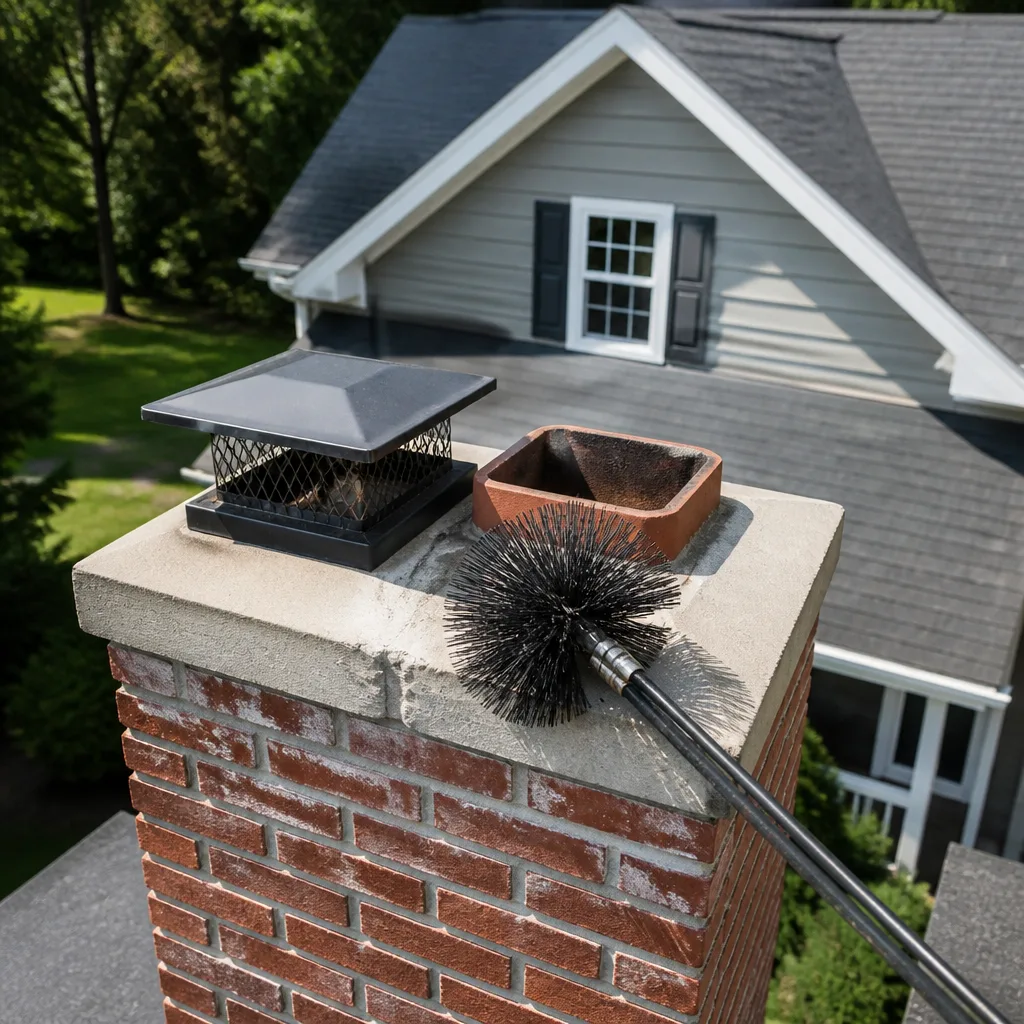 Sweep & inspection
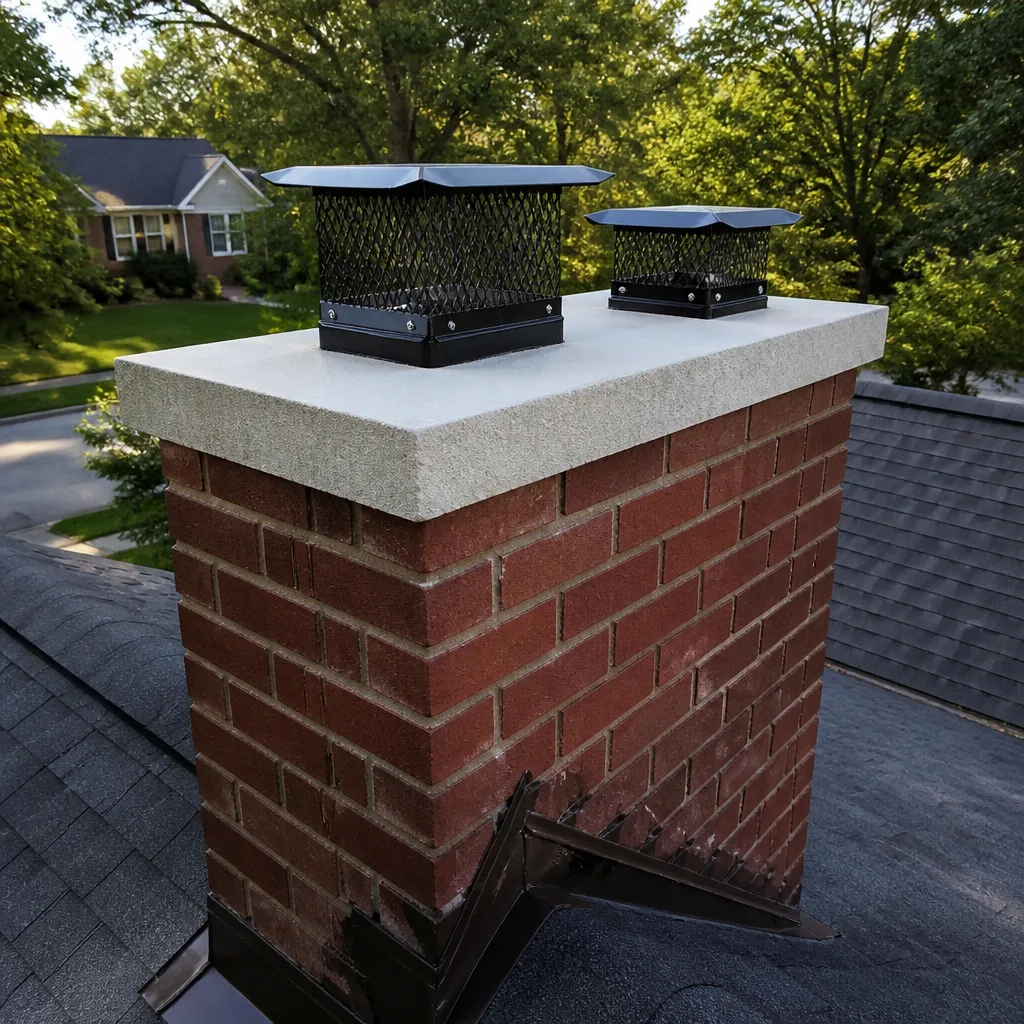 Caps & crowns
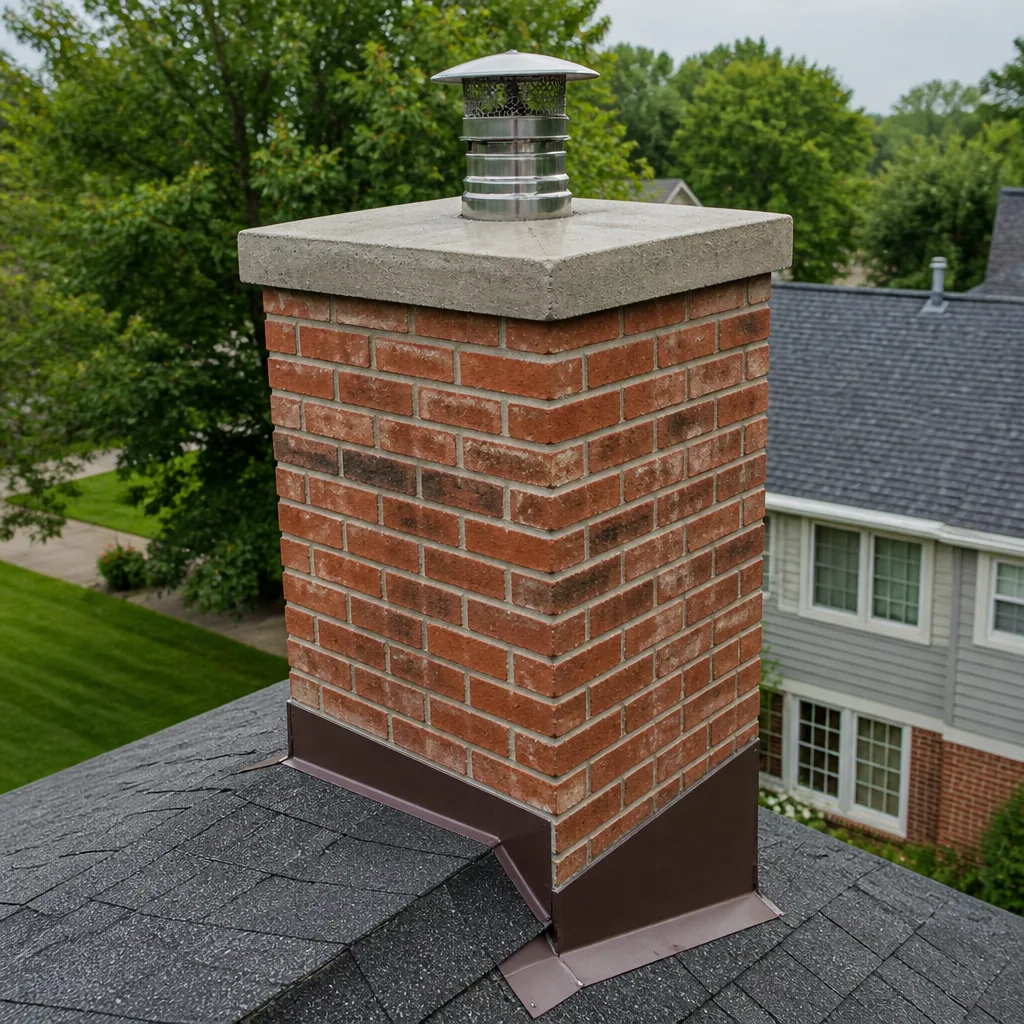 Flue relining
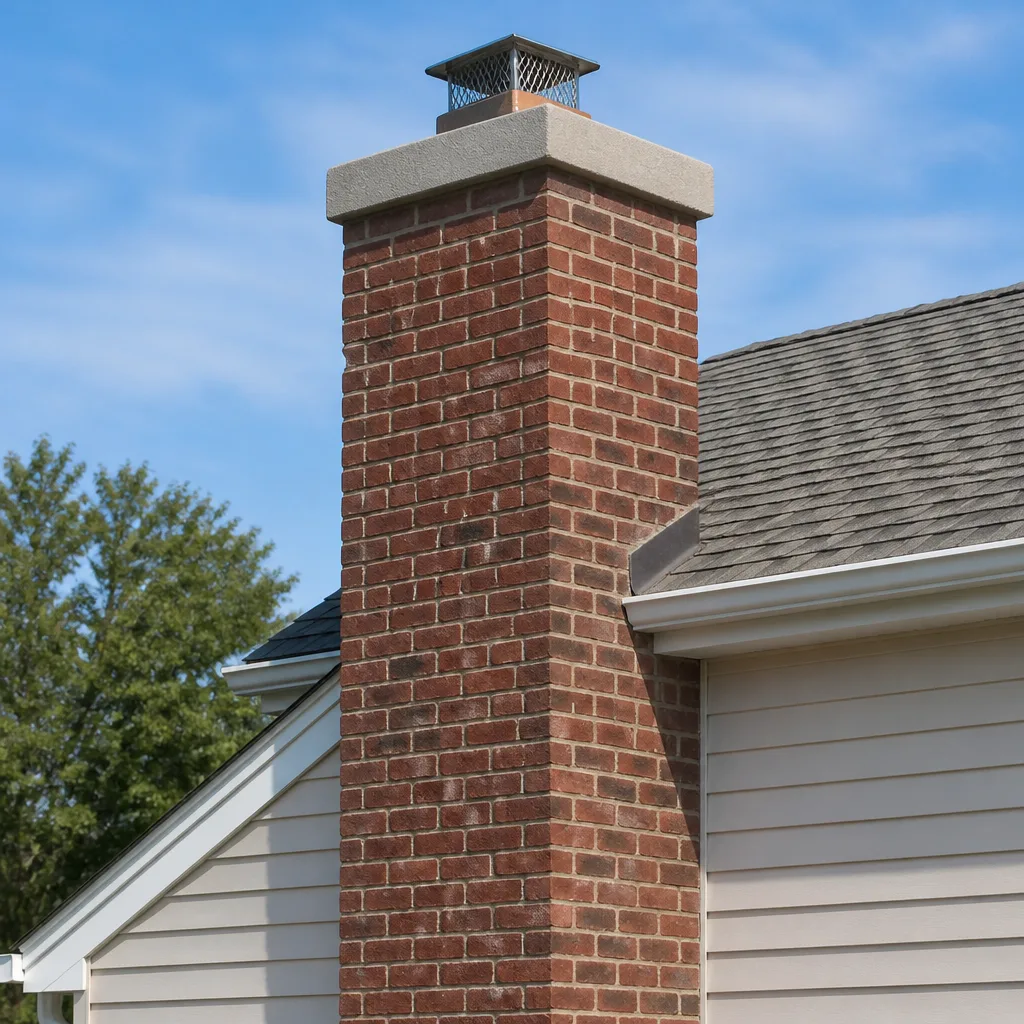 Masonry repair
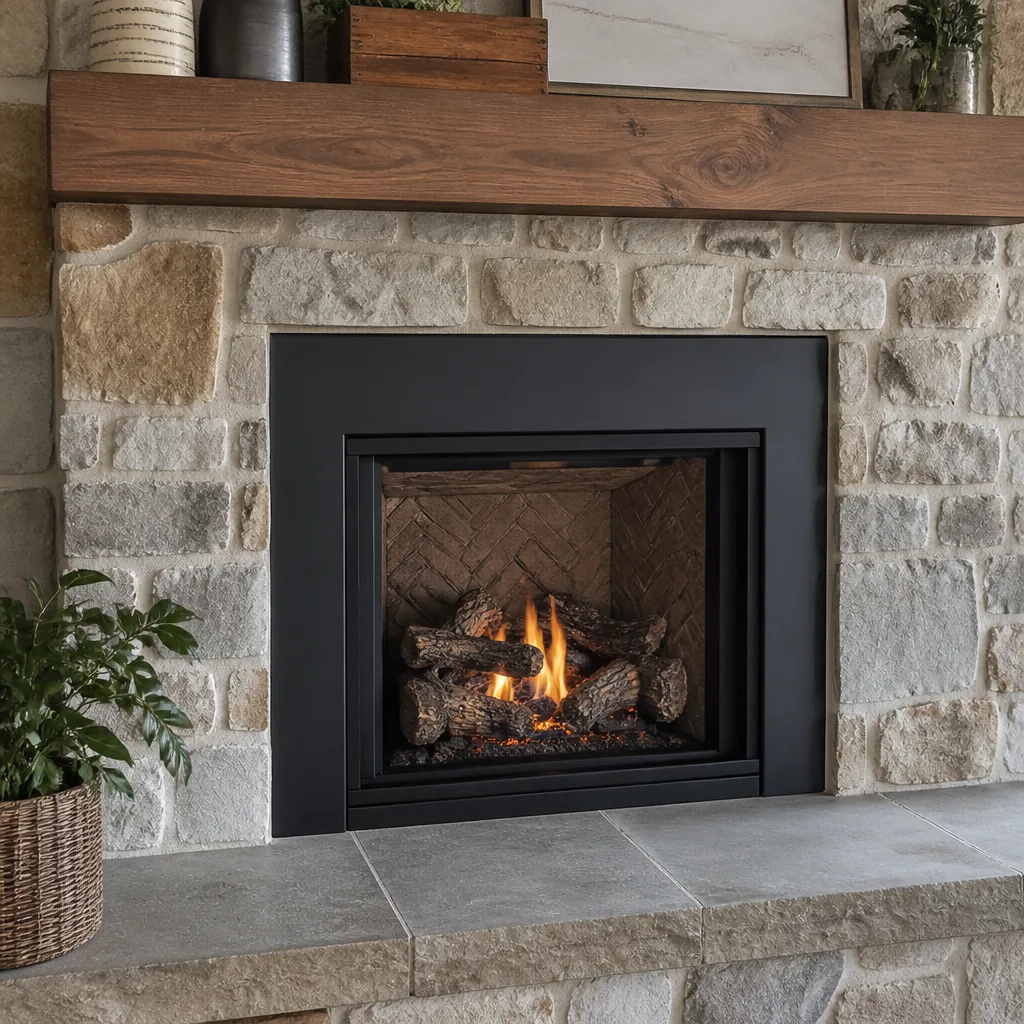 Gas fireplace service
Level 1 sweep and inspection to the NFPA 211 annual standard - flue, crown, cap, and flashing checked and photographed
Chimney sweep logs do not sweep chimneys. They loosen some creosote - which then falls where a brush and vacuum still have to collect it.
Seasonal Chimney Cleaning Care for Upper East Side: Year-Round Homeowner’s Guide
Most homeowners on the Upper East Side think about their chimney once a year, usually in October, when the first cold snap arrives and the fireplace gets its first fire. That single annual sweep matters, but it misses three-quarters of the maintenance window. The inspection you skip in April is often what costs you in October. Masonry damage from freeze-thaw cycles sets in over the spring and stays invisible until the first fire of the season, when smoke stains a wall or a draft turns stubborn. This guide lays out what your chimney is actually experiencing in each season, so you can assign the right task to the right window instead of cramming everything into fall.
Quick Answer
Chimney care in the Upper East Side is a four-season job, not an annual one: spring for post-winter damage assessment, summer for moisture control, fall for cleaning and a Level 1 inspection before the first fire, and winter for mid-season monitoring of draft, smoke and odor. Each season targets a different threat, and the work you do in the off-season prevents the expensive repairs you would otherwise face once the heating season starts.
Styles & brands we work with
- Sweep & inspection
- Caps & crowns
- Flue relining
- Masonry repair
- Gas fireplace service
Table of Contents
- Why an Annual Sweep Misses Most of the Problem
- Spring: Post-Winter Damage Assessment
- Summer: Moisture Intrusion and Waterproofing
- Fall: Cleaning and the Level 1 Inspection Sequence
- Winter: Mid-Season Monitoring
- How Fuel Type Changes Your Seasonal Timing
- The Three Levels of Chimney Inspection
- Common Mistakes to Avoid
- When to Call a Professional
Why an Annual Sweep Misses Most of the Problem
A sweep removes creosote from the flue. That’s a critical task, but it’s a cleaning job, not a diagnostic one. The threats that damage Upper East Side chimneys over the course of a year are structural and climatic, and they don’t announce themselves through a dirty flue. They show up as hairline cracks, eroded mortar, a crown that has pulled away from the masonry, or water finding its way into the smoke chamber long before anyone notices a problem at the firebox.
Think about what a masonry chimney in this neighborhood actually endures across twelve months. Winter brings repeated freeze-thaw cycles. Water soaks into brick and mortar, freezes, expands, and pushes the material apart from the inside. Spring is when that damage becomes visible as spalling brick faces and crumbling mortar joints. Summer brings humidity and driving rain against the crown and flashing. Fall is when the accumulated wear finally shows up during active use.
If you treat all of that as one annual event, you clean the flue and ignore the masonry. The masonry is where the real money goes.
Breaking the year into four windows doesn’t require four service calls. It requires knowing what to look for, and when, so you can schedule the professional work at the point where it does the most good. One inspection in spring and one cleaning in fall, with your own eyes on the chimney in between, covers more ground than a single sweep every autumn.
In our experience, homeowners who understand the four-season model stop calling us with emergencies and start calling with questions. That’s the right order.
Spring: Post-Winter Damage Assessment
Spring is when your chimney tells you what winter did to it. The freeze-thaw damage that accumulated over the cold months becomes visible once the last frost passes, and this is the window when problems are cheapest to address. A crown that’s beginning to crack in April is a straightforward repair. That same crown, left through a wet summer and another winter, lets water into the flue structure and turns into a liner or rebuild conversation.
Three specific things to look for after winter
- Spalling brick. Look at the exterior faces of the chimney above the roofline or along the visible side wall. Spalling shows up as brick faces that have popped, flaked or crumbled, sometimes leaving a rough, pitted surface. It’s the signature of water freezing inside the brick and pushing outward. A few spalled bricks are a repair. Widespread spalling across a course means the masonry is failing from within.
- Mortar joint erosion. Run your eye along the joints between bricks. Healthy mortar sits slightly proud or flush. Eroded mortar has receded, leaving the brick edges exposed and often looking like a series of shallow ledges. The freeze-thaw cycle eats mortar joints faster than brick, and once the joints recede, water has an easier path in.
- Liner cracking from thermal cycling. This one you can’t see without a camera, but you can infer it. A liner that has been through dozens of heat-up and cool-down cycles since October develops small cracks, especially at the joints in a clay tile liner. Thermal cycling is the mechanism: the liner expands when hot, contracts when cold, and each cycle works the joints a little looser. Spring is when a camera inspection catches these cracks before they widen.
Why spring inspection beats fall inspection for structural issues
A fall inspection happens right before you need the chimney, which makes it a poor time to find structural problems. If we inspect in October and discover crown damage, you’re now choosing between a rushed repair and a season of use with a compromised chimney. If we inspect in April, you have the whole off-season to schedule the repair on your terms, with time for the materials to arrive and the work to be done correctly.
The material brands we work with matter here. When a crown needs replacing, we use Famco or Gelco crown products because they’re manufacturer-backed components with known performance specs, not generic mortar mixes that fail in three winters. When the flue needs resurfacing, HeatShield’s ceramic system can restore integrity without a full liner replacement in the right conditions. Spring is when that options conversation is calm and unhurried.
Spring assessment isn’t optional maintenance. It’s the step that determines how much the rest of the year costs.
Summer: Moisture Intrusion and Waterproofing
Summer is the season when water does the most quiet damage. Humidity keeps masonry damp. Thunderstorms drive rain against the crown, the flashing and the chimney’s exterior faces. The chimney isn’t burning, so nobody’s paying attention, and that’s exactly why water gets in.
Water intrusion into a chimney doesn’t stay in the chimney. It migrates into the smoke chamber, the firebox, and sometimes the surrounding wall and ceiling structure. By the time it shows up as a stain on the ceiling or a musty smell in the room, it’s been working for months.
Waterproofing product categories and when each applies
- Masonry water repellents. These are breathable treatments applied to brick and mortar that repel liquid water while allowing vapor to escape. They’re the right choice for a chimney with sound masonry that just needs protection from driving rain. Applied in summer, they cure before the wet season.
- Crown repair and sealing products. The crown is the concrete cap at the top that sheds water away from the flue. When it cracks, water follows the crack down through the masonry. Famco and Gelco crown products are formulated for this purpose, and a proper crown repair in summer closes the biggest single water entry point on most chimneys.
- Flashing sealants and repair. The flashing is where the chimney meets the roof. Failed flashing lets water in at the roofline, often reaching the ceiling before the chimney itself shows any sign of trouble. Summer is the time to inspect and reseal it.
- Chimney caps. A cap does more than keep rain out of the flue. It also stops animals, debris and sparks. If your cap is cracked, missing, or the wrong size for the flue, summer is when to replace it. Our chimney cap & crown service covers both, and both matter for moisture control.
How to spot moisture intrusion before it becomes a liner problem
You don’t need to climb on the roof to catch early moisture signs. Interior clues include a damp or musty smell near the fireplace, white efflorescence (a chalky white stain) on the firebox brick or exterior masonry, rust on the damper or firebox hardware, and a firebox that feels cold and damp even in warm weather. Any of these suggests water is getting in. Efflorescence alone is one of the most reliable early indicators and one most homeowners ignore as “just a stain.”
Summer waterproofing is also the point where we address the chimney cap and crown together. A cap without a sound crown, or a crown without a proper cap, leaves gaps that water exploits. Doing both in the same window means one coordinated job instead of two separate repairs in different years. It’s part of the reason we stock and install matched components from the brands we work with rather than mixing sources that create warranty gaps later.
If you do nothing else this summer, check the crown and the cap. Those two components handle most of the water your chimney will see.
Fall: Cleaning and the Level 1 Inspection Sequence
Fall is the window everyone knows about, and it’s the right time for the tasks that must be done before the first fire. But the fall service should follow a specific sequence, and getting it out of order wastes the visit.
Before we sweep, we look. Before we quote, we inspect. That’s the process integrity that makes a fall service worth scheduling.
The fall sequence, in order
- Exterior visual check. Before anything goes into the flue, we look at the exterior: crown condition, cap condition, flashing, visible masonry and any obvious obstruction at the top. Problems here change what happens next.
- Level 1 inspection. A Level 1 inspection covers the readily accessible parts of the chimney and fireplace: the firebox, damper, smoke chamber, flue and the accessible exterior. It’s the appropriate level when the chimney has been in normal service and nothing has changed. It’s how we confirm the system is sound before cleaning.
- Sweep. Now the flue gets cleaned. Creosote is removed with the right tools for the flue type. This is our chimney sweep service, and it’s the cleaning step that keeps the fire safe through the heating season.
- Camera check where needed. If the Level 1 inspection raised a question, or if the home has a liner with a known history, a camera inspection sees what the eye can’t. Small cracks at tile joints, gaps in a liner, and debris lodged in an offset all show up on camera.
- Confirmation before the first fire. Before we leave, we confirm the system is operational: damper moves freely, cap and crown are sound, flue is clear, and there’s no obstruction. You should know before you strike a match.
- Written summary. Anything that needs attention gets written down, with the priority and the reasoning. That way you’re not relying on a verbal impression from a technician at the door.
What should be confirmed operational before the first fire
At a minimum: the flue is clear of creosote and obstruction, the damper opens and closes fully, the cap is intact and correctly sized, the crown isn’t cracked, and the firebox has no cracks that would let heat or smoke escape into the structure. If any of those fail, the fire waits until the repair is done.
Realistic scheduling lead times on the Upper East Side
Fall is the busiest time of year for chimney work, and in a dense neighborhood of older buildings the demand concentrates into a few weeks. The practical advice is to schedule your fall cleaning and inspection earlier than feels natural. Homeowners who wait until the first cold snap to call are competing for a narrow window with everyone else on the block. Book the fall service in late summer or early fall, before the rush, and you’ll have more flexibility and less pressure to accept a rushed appointment.
This is where the spring inspection pays off again. If you already know in April that the crown needs work, you can sequence the repair and the fall cleaning without the repair short-circuiting the cleaning or vice versa.
Winter: Mid-Season Monitoring
Winter is when the chimney is in active use, which makes it the wrong time for major work but the right time for monitoring. Problems that develop mid-season can often be caught early enough to pause use and schedule the fix, rather than discovering them after the fact.
You’re not expected to inspect the flue in January. You’re expected to notice changes in how the fireplace behaves and call when something shifts.
Draft degradation
A chimney that drafted well in November and struggles in January is telling you something. Draft can degrade when the flue becomes partially obstructed, when the liner has cracked and air is leaking into the wrong part of the system, or when something has nested or fallen into the flue. A fire that suddenly needs the damper opened wider, or smokes when it used to draw cleanly, is a signal to stop using it and get it checked.
Smoke rollout
Smoke coming into the room instead of going up the flue is the clearest mid-season warning sign. It can be a draft issue, an obstruction, a closed or partially closed damper, or a liner problem. It can also indicate the smoke chamber has become coated and is disrupting flow. Whatever the cause, smoke rollout means the system isn’t venting correctly, and continued use makes it worse. Stop the fire and call.
Odor changes
A chimney that smells different mid-season deserves attention. A stronger creosote smell in warmer weather, a damp or musty odor, or a smoky smell in rooms that shouldn’t smell smoky all point to something changing. Water intrusion, a creosote buildup that’s reached a new stage, or a partial obstruction can all change the smell. Trust the change.
What’s safe to do yourself mid-season and what isn’t
Safe: check the damper, look up the flue with a flashlight when the fire is out, confirm the cap is still on, and note any change in how the fire burns. Not safe: anything on the roof, anything involving the inside of the flue, and anything involving a hot firebox. Winter roof work is dangerous and the chimney is hot. Call for a professional assessment instead.
How Fuel Type Changes Your Seasonal Timing
The four-season model applies to every chimney, but the priority windows shift depending on what you burn. A wood-burning fireplace, a gas insert and a dual-use setup each have a different rhythm.
Wood-burning fireplaces
Wood is the most demanding fuel for seasonal timing. Creosote accumulates with every fire, and the fall sweep is non-negotiable. The spring inspection matters more here because wood-burning chimneys see the most thermal cycling, which is what stresses the liner and the mortar. Winter monitoring is also most important, because creosote buildup during the season can change draft and create a fire risk if it reaches a certain stage. If you burn wood, the full four-season cycle applies.
Gas inserts and gas fireplaces
Gas burns cleaner, so the creosote story changes, but the chimney still has seasonal priorities. Gas produces moisture as a byproduct of combustion, which means summer moisture control is actually more important for gas than many owners realize. A gas insert vented through a chimney that’s letting water in can create corrosion issues in the venting system. Fall still needs a check that the venting is clear and the cap is sound. Winter monitoring is mostly about confirming the pilot and the venting are behaving. If you have a dual-use fireplace that can burn either wood or gas, treat it as wood-burning for seasonal timing. The creosote risk is set by the wood, not the gas.
What this means in practice
- Wood-burning: full four-season cycle, spring inspection priority highest.
- Gas: summer moisture control priority highest, fall venting check, spring masonry check.
- Dual-use: treat as wood-burning, plus summer moisture control.
If you’re not sure which category your setup falls into, an inspection settles it. We check the firebox, the venting and the flue type, and tell you which seasonal windows matter most for your specific system.
The Three Levels of Chimney Inspection
The word “inspection” covers three different things, and knowing which one you need prevents paying for the wrong level.
- Level 1. The standard inspection for a chimney in normal service with no known problems. Covers the readily accessible parts of the chimney and fireplace. It’s what you book when nothing has changed and you want confirmation before the season.
- Level 2. A more thorough inspection, using a camera, appropriate when there’s been a change in the system, a chimney fire, a change of fuel type, or a property sale. It sees the parts of the flue the eye can’t reach.
- Level 3. Diagnostic inspection when a specific problem has been identified and the cause isn’t clear. It can involve opening up parts of the chimney structure. It’s the least common and the most targeted.
Most Upper East Side homeowners need a Level 1 in fall and a camera check in spring. The spring camera check is what catches thermal-cycling cracks and confirms whether a HeatShield resurfacing or a liner replacement is the right move. Our chimney repair work starts from that evidence, and the whole system gets covered in one visit rather than piecemeal.
Common Mistakes to Avoid
- Skipping the spring inspection because the fireplace is off. The fireplace being off is exactly why spring is the right time. Structural damage from freeze-thaw is visible in April and invisible by October.
- Assuming a clean flue means a sound chimney. A sweep cleans the flue. It doesn’t assess the crown, the masonry or the liner. Those need the inspection step, and they’re where the real damage lives.
- Waiting until October to book the fall service. Fall is the busiest window, and in a dense neighborhood like the Upper East Side the schedule fills fast. Book earlier than feels necessary.
- Applying a waterproofing product over failing masonry. A water repellent on spalled brick or eroded mortar traps moisture rather than protecting against it. The masonry needs repair first, then treatment.
- Mixing brands and components across the system. A liner from one source and a cap from another can leave warranty gaps and performance mismatches. We work with matched components from DuraFlex, Olympia Chimney and Copperfield precisely because the system works best as a system.
- Ignoring a change in draft or smell mid-season. Winter is when the chimney is under load, and changes in behavior are the earliest signals. A change in draft or odor is a reason to call, not to wait for spring.
- Choosing the cheapest sweep instead of the right process. A low price often means a quick brush and no inspection. What you’re paying for is the process: look first, inspect, then sweep, then confirm. The cheap sweep skips the parts that protect your chimney.
If you’re unsure whether your chimney needs a repair or just a cleaning, that’s a diagnostic question, and it’s better answered by evidence than by assumption. When you want a second opinion on a recommended repair, our Chimney Sweep Upper East Side service includes the inspection findings you can look at yourself. We tell you plainly when work can safely wait.
When to Call a Professional
Call us when you see spalling brick, eroded mortar joints, or a crown that’s cracked or pulling away from the masonry. Call when you notice a damp or musty smell near the fireplace, white efflorescence on the brick, or rust on the damper. Call when the fireplace drafts worse than it used to, when smoke rolls into the room, or when the smell changes mid-season. Call when you haven’t had the chimney inspected in a year or more, or when you’ve just moved into an Upper East Side home and don’t know the chimney’s history. Call when you’ve been told you need a liner or a rebuild and you’d like a second opinion backed by camera evidence. And call before the first fire of the season if your last inspection was more than a season ago. Chimney Sweep Upper East Side offers free estimates in Upper East Side, and our technicians have up to 10 years of experience. Call (877) 492-4134. We answer 24/7. Fast dispatch from 7am to 7pm, Sunday through Friday.
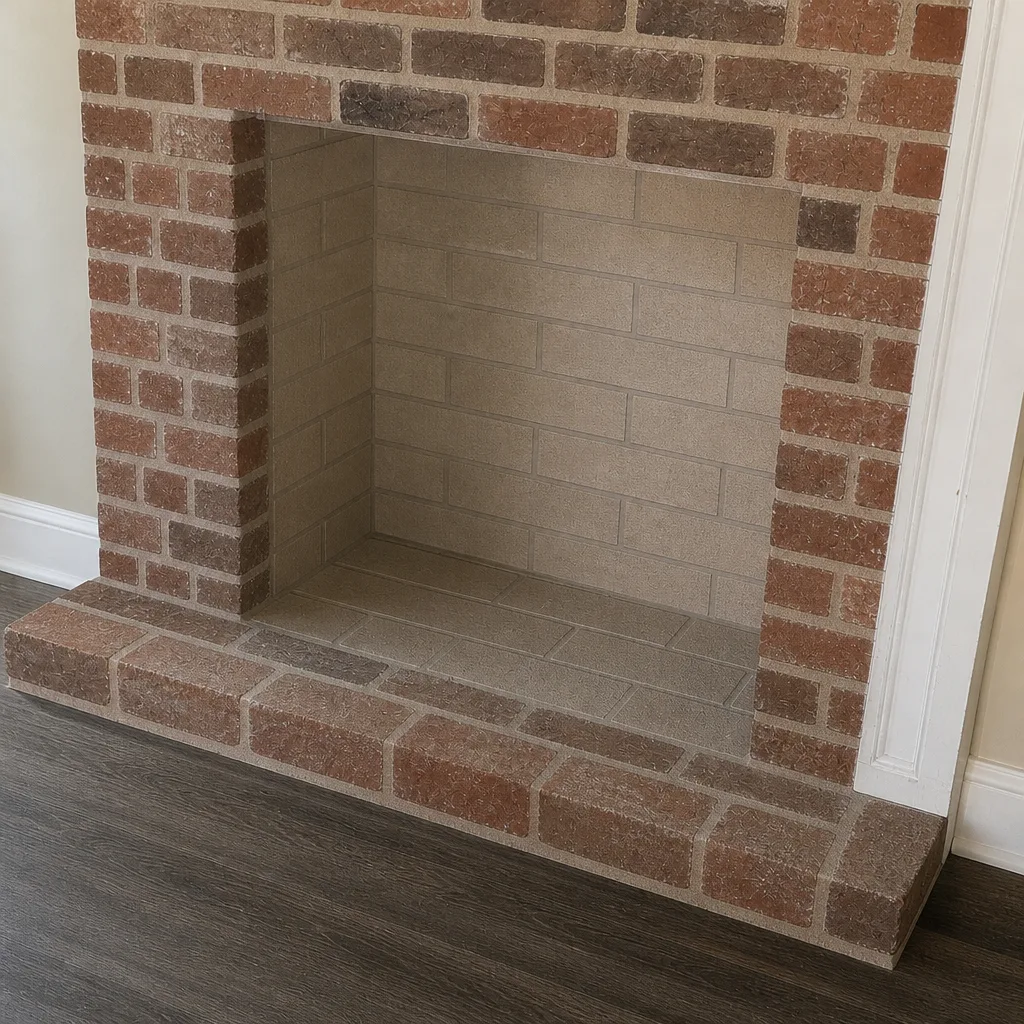
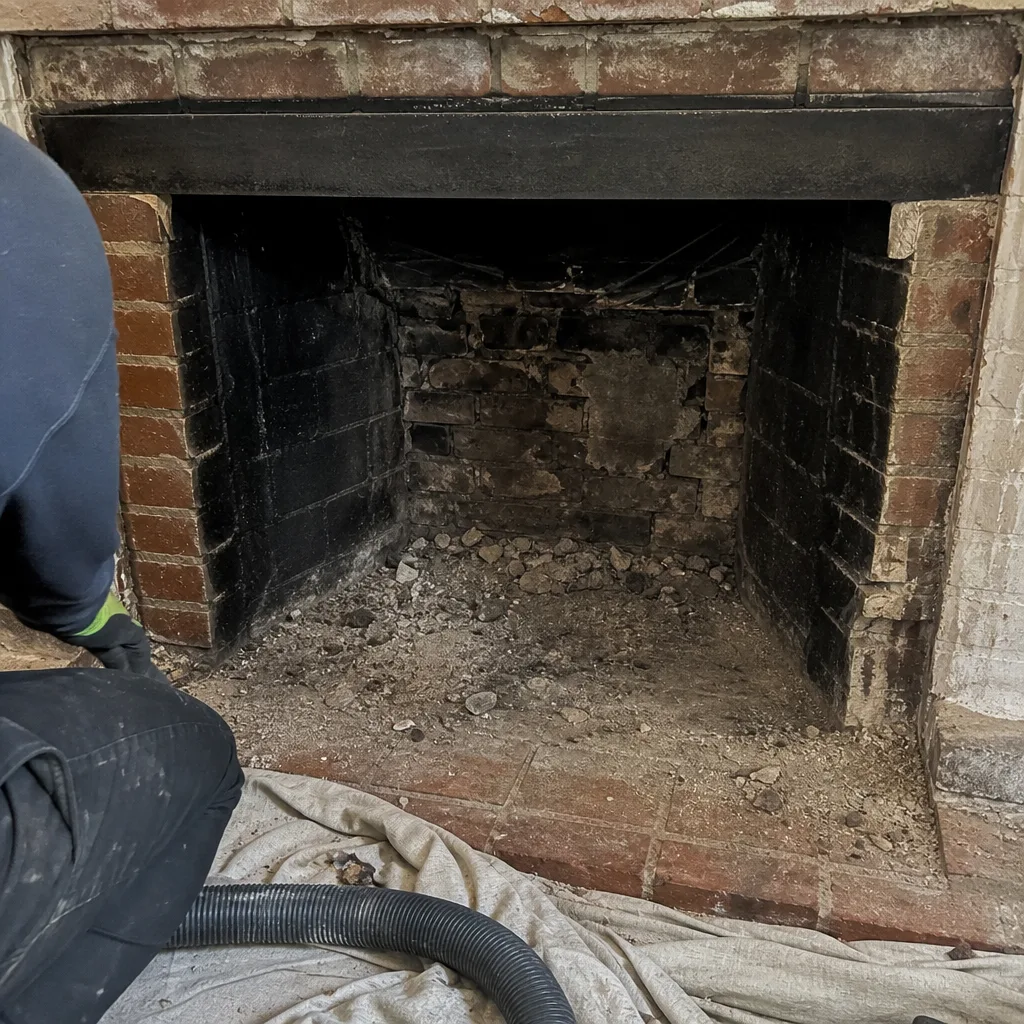
See the difference
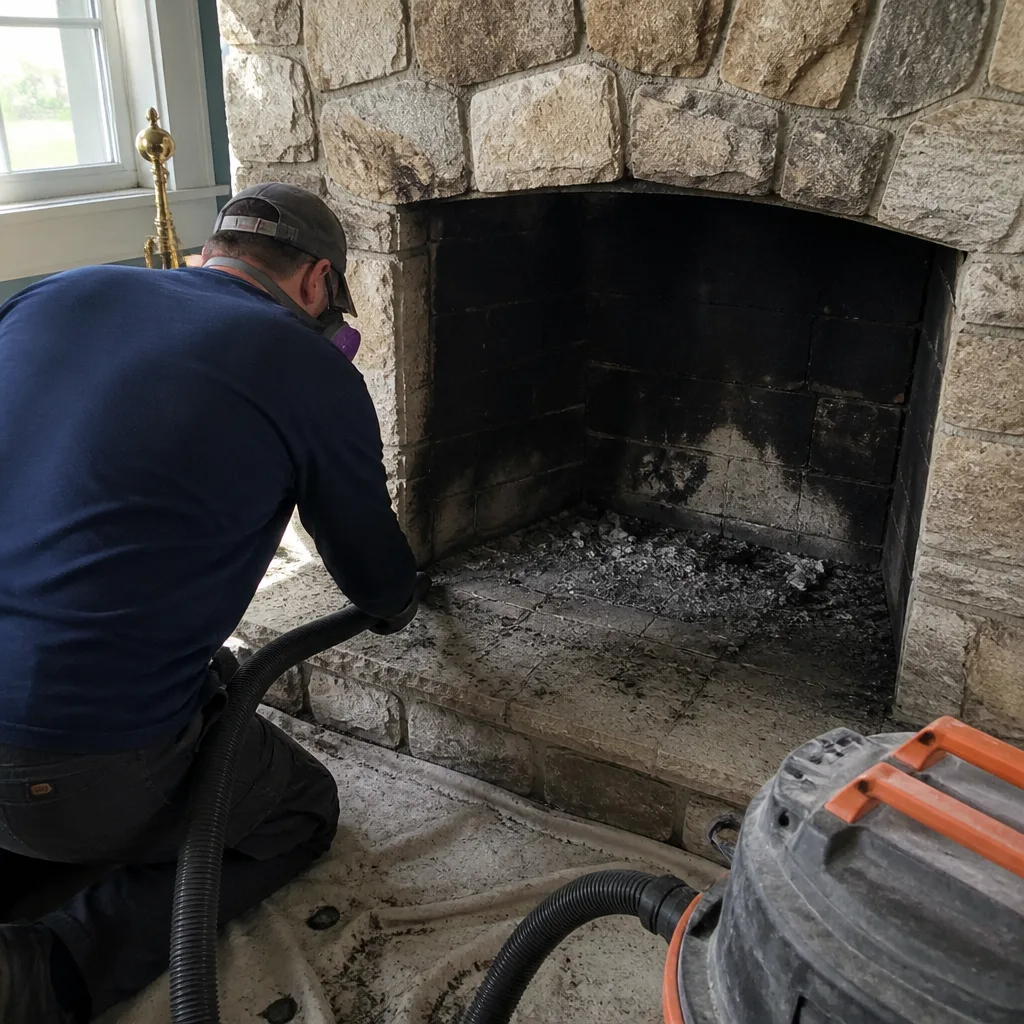 Before
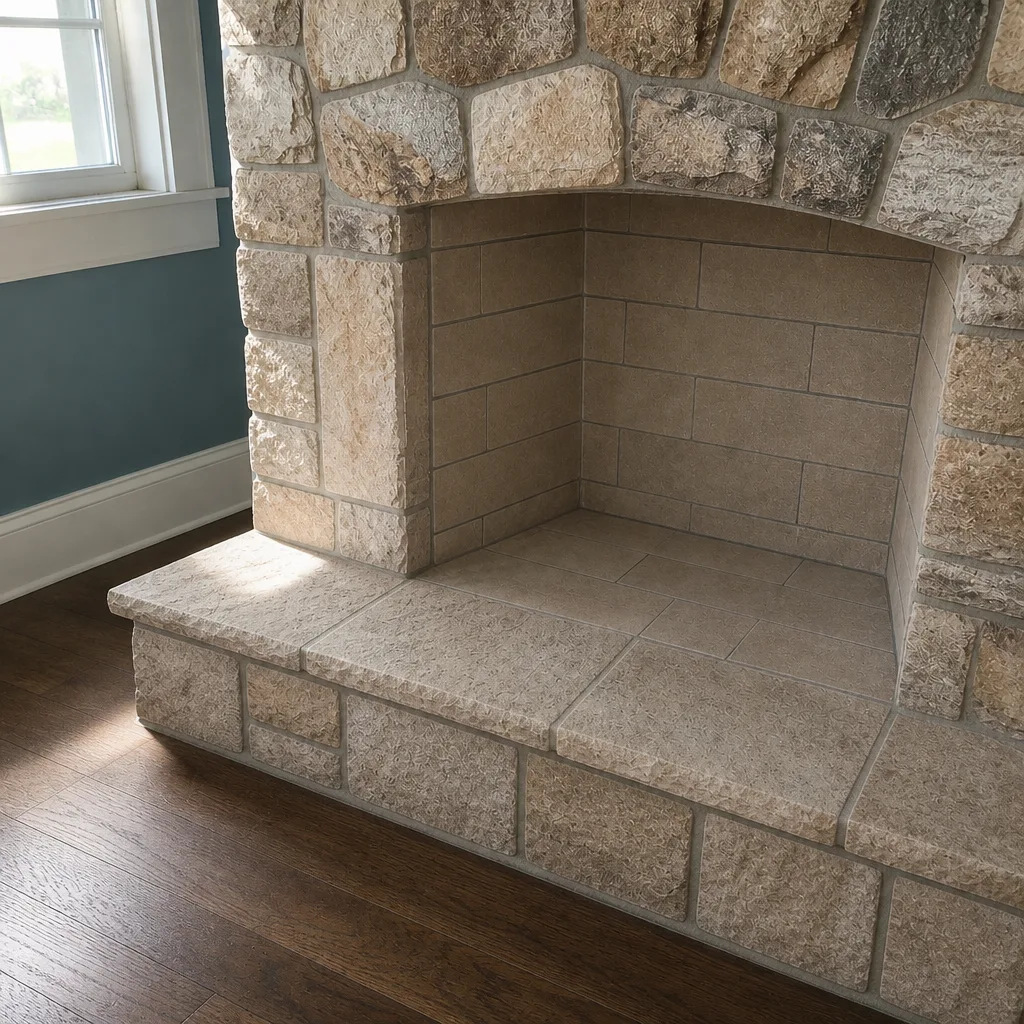 After
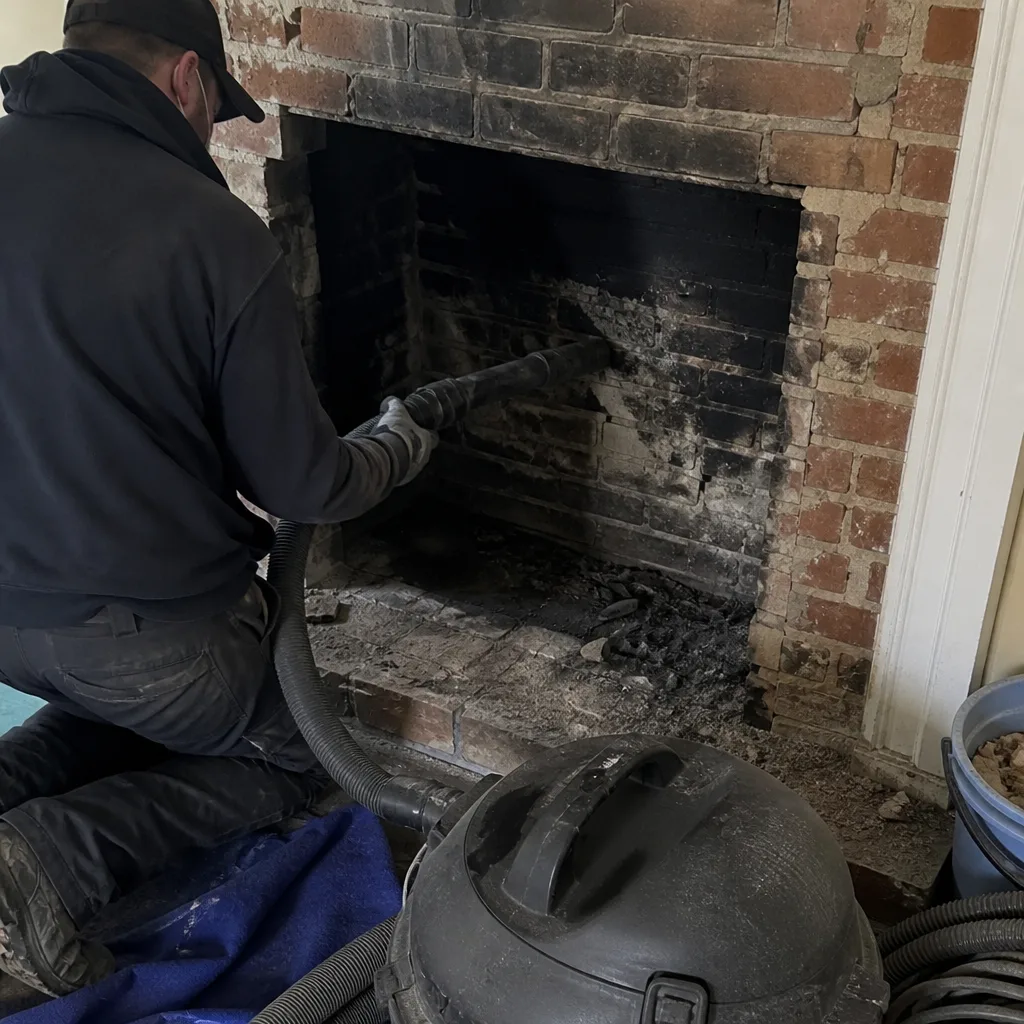 Before
 After
 Before
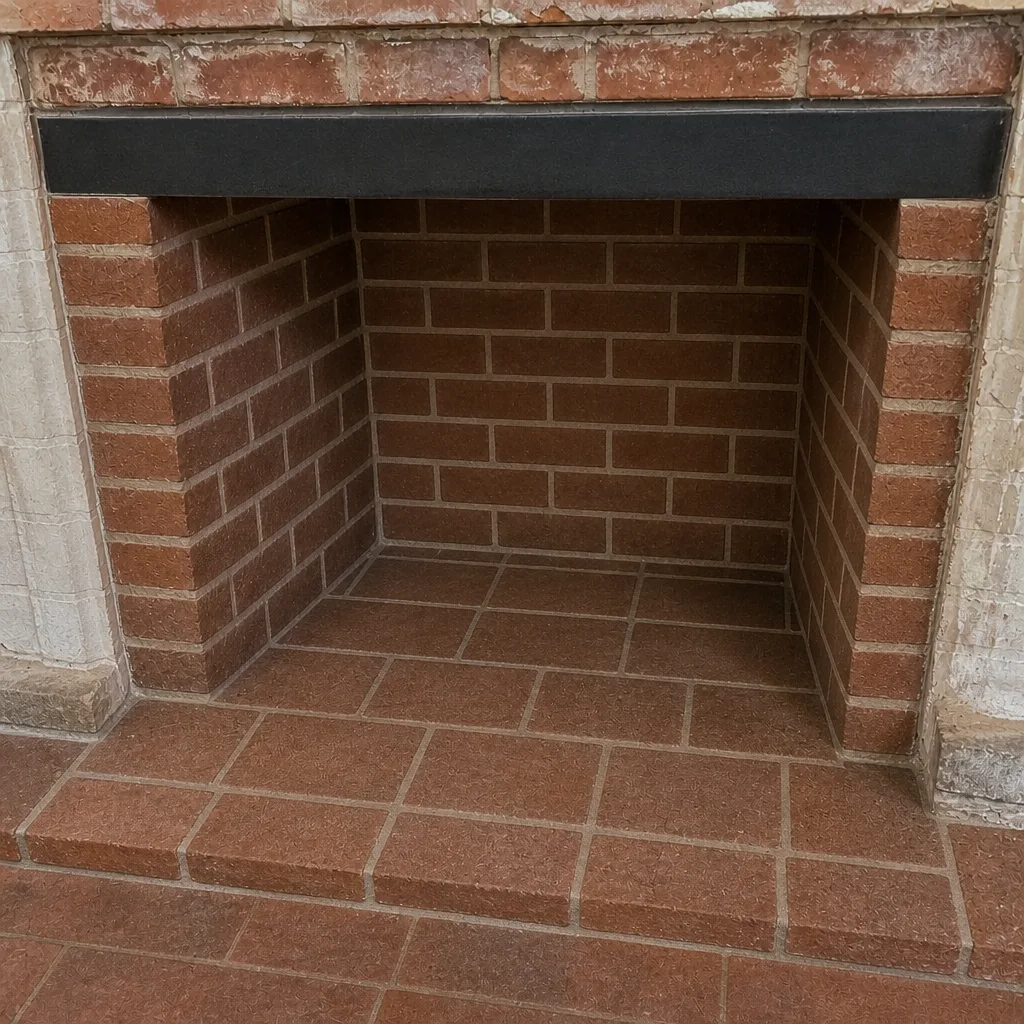 After
Frequently Asked Questions
Once a year for a wood-burning chimney in regular use, with a separate inspection in spring to catch structural damage before the next season. A chimney used heavily may need a mid-season check as well. If you burn gas, the sweep interval can be longer, but the annual inspection still applies. Book the fall sweep in late summer to avoid the autumn rush. Call (877) 492-4134 for a free estimate.
You lose the spring window that catches freeze-thaw damage, so masonry problems that were repairable in April get a full season of moisture and another winter to worsen. Creosote also accumulates with each fire, which affects draft and increases fire risk. Skipping doesn’t cause immediate failure in most cases, but the repair cost grows while you’re not looking. Call (877) 492-4134 for a free estimate before the next season.
You need it when the camera shows cracks, gaps or a failed liner, and not before. That’s why we show you the camera evidence before recommending anything, and why we say plainly when work can safely wait. The right liner for your flue type depends on what the inspection finds. Call (877) 492-4134 for a free estimate and an inspection you can see for yourself.
The price depends on the chimney type, the level of inspection and any repair the inspection reveals, and the flat price is agreed before booking. The written estimate sets the final price, so there’s no surprise after the work. Call (877) 492-4134 for a free estimate.
You can apply a water repellent to sound masonry, but you shouldn’t apply one over spalling brick, eroded mortar or a cracked crown, because you’ll trap moisture instead of keeping it out. The safe approach is to have the masonry assessed first, repair what’s failing, then treat. Call (877) 492-4134 for a free estimate on the assessment.
Yes, and the priority is different: summer moisture control matters more for gas because combustion produces moisture that can corrode the venting, and fall should include a venting check. Spring masonry assessment still applies. If you’re not sure whether your setup is gas, wood or dual-use, an inspection settles it. Call (877) 492-4134 for a free estimate.
Check that it’s intact, correctly sized for the flue, and properly attached. A cracked, missing or undersized cap lets water, animals and debris in, and it fails the moisture control that summer is for. Our chimney cap & crown work covers both components in one visit. Call (877) 492-4134 for a free estimate.
The Bottom Line
Your chimney has four distinct seasonal threat profiles, and treating them as one annual cleaning leaves three of them unaddressed. Spring assessment catches freeze-thaw damage while it’s still cheap to fix. Summer moisture control protects the liner and firebox from water that does its damage quietly. Fall delivers the cleaning and Level 1 inspection that keep the heating season safe. Winter monitoring catches draft and smoke changes before they become failures. Fuel type shifts the priority but doesn’t remove any of the four. Our technicians have up to 10 years of experience, and we show you the camera evidence before recommending anything. Call (877) 492-4134. We answer 24/7. Fast dispatch from 7am to 7pm, Sunday through Friday.
Written by the team at Chimney Sweep Upper East Side.