
Last updated November 25, 2026
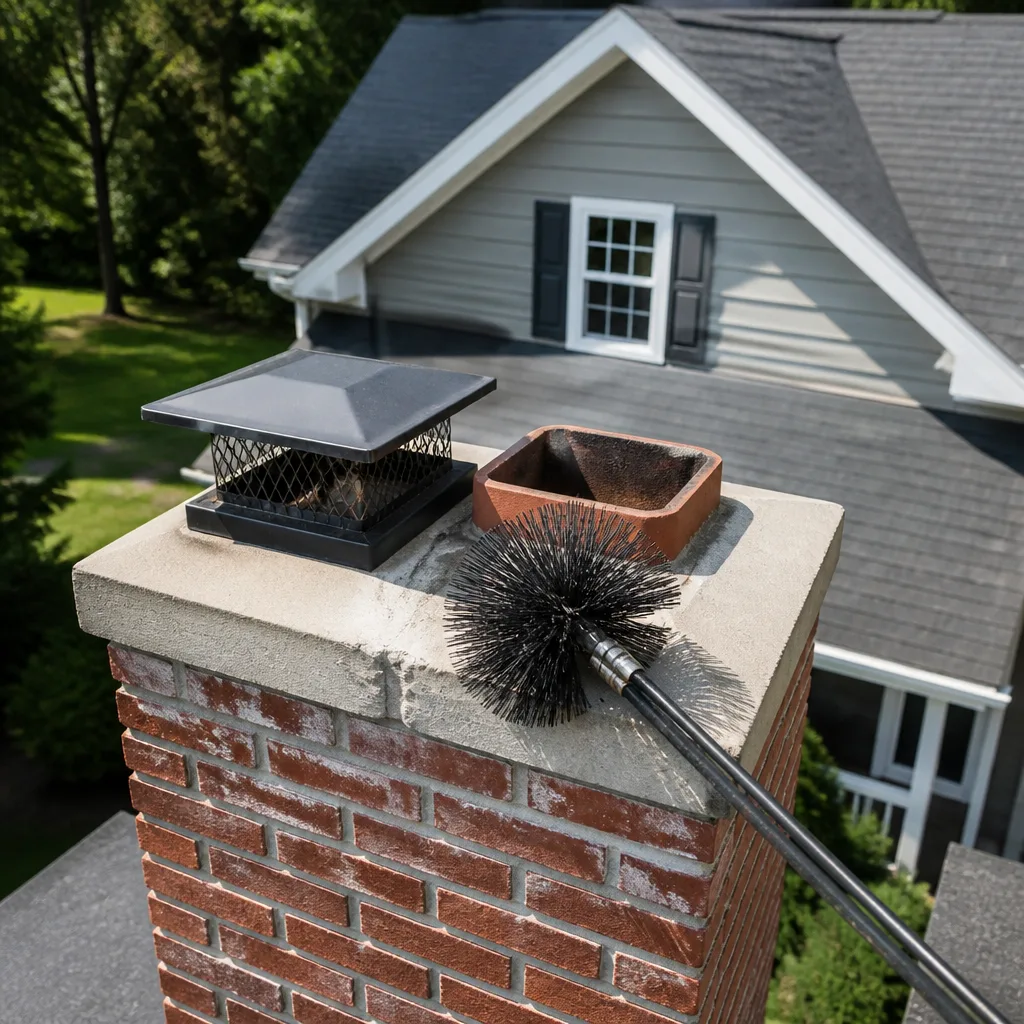 Sweep & inspection
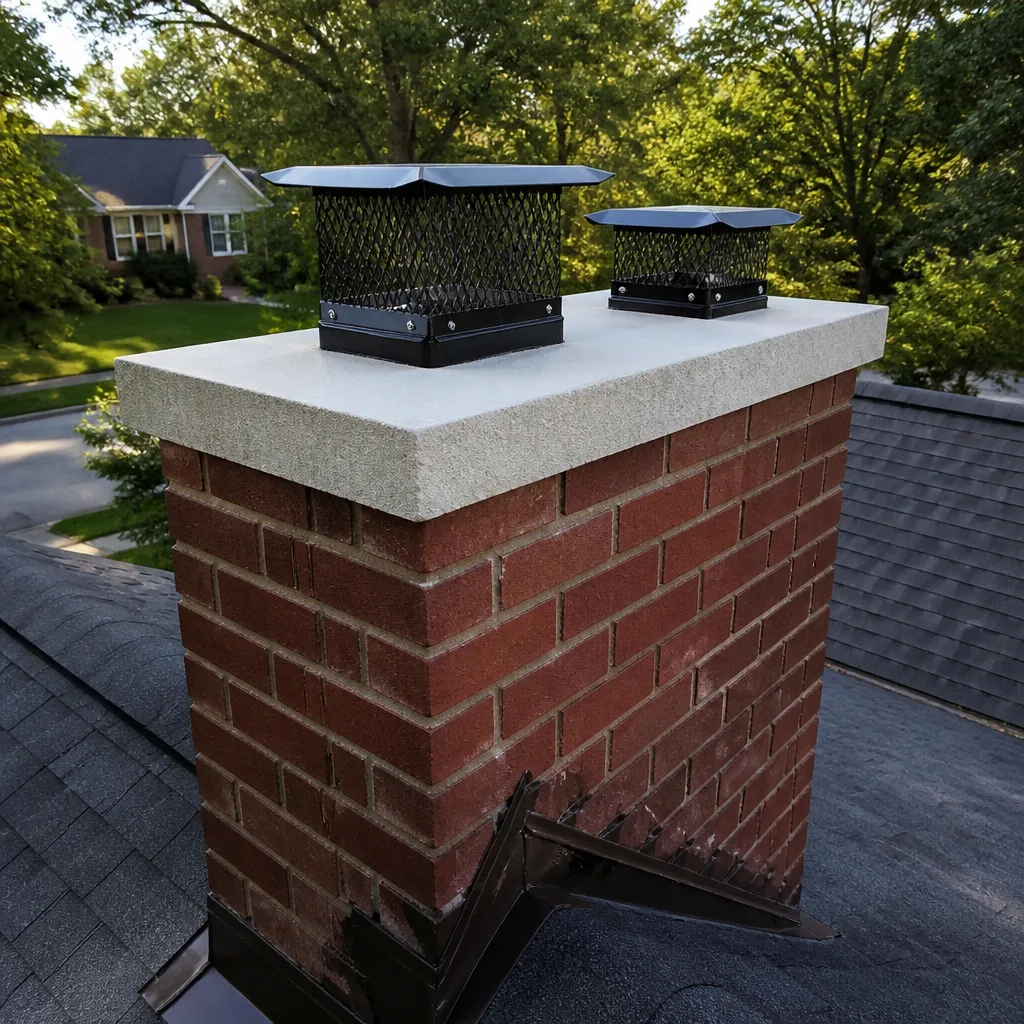 Caps & crowns
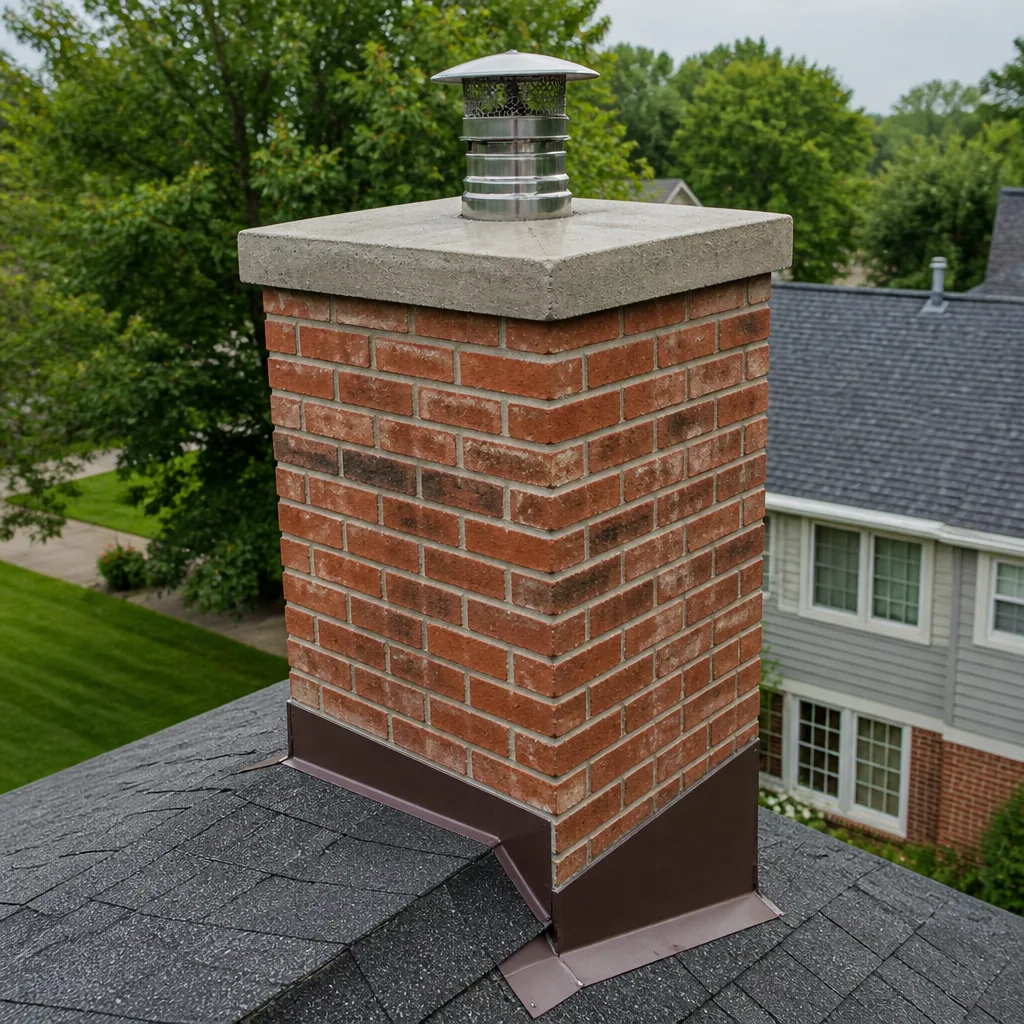 Flue relining
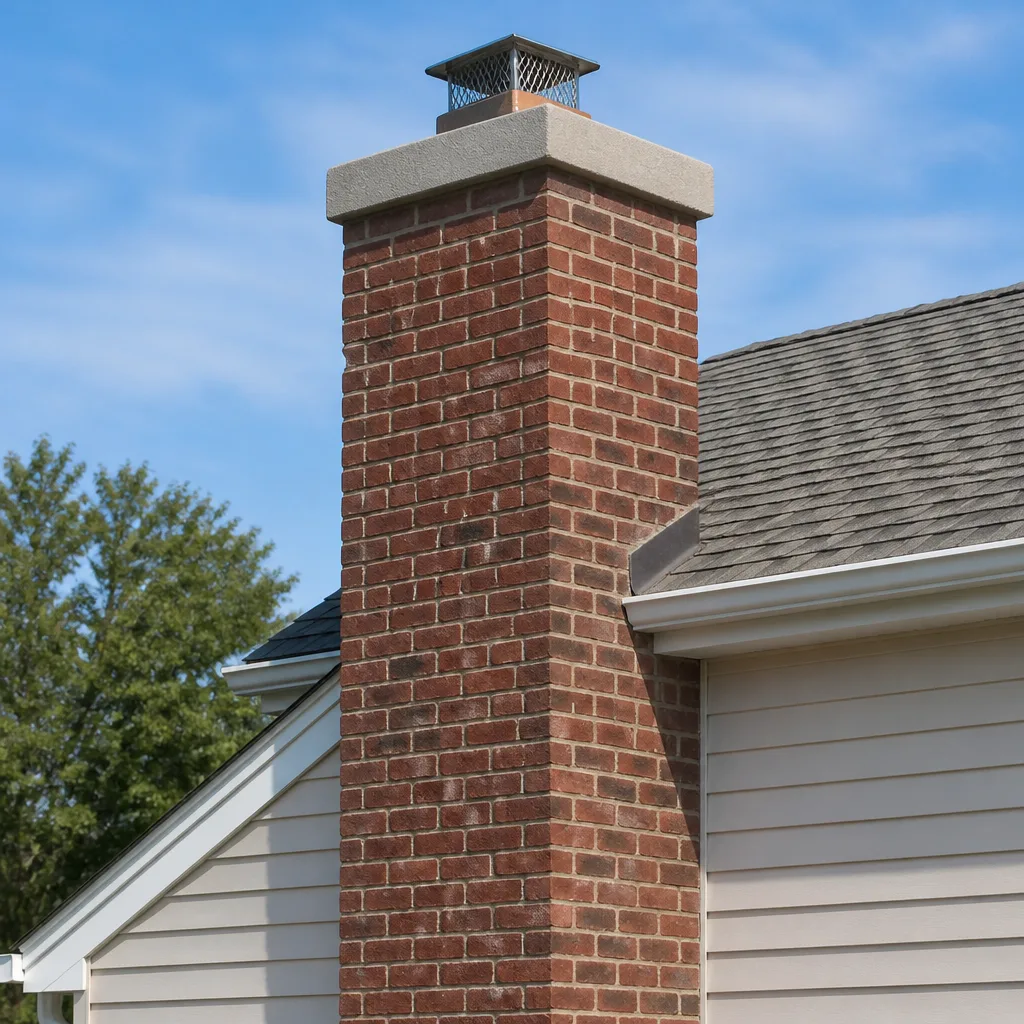 Masonry repair
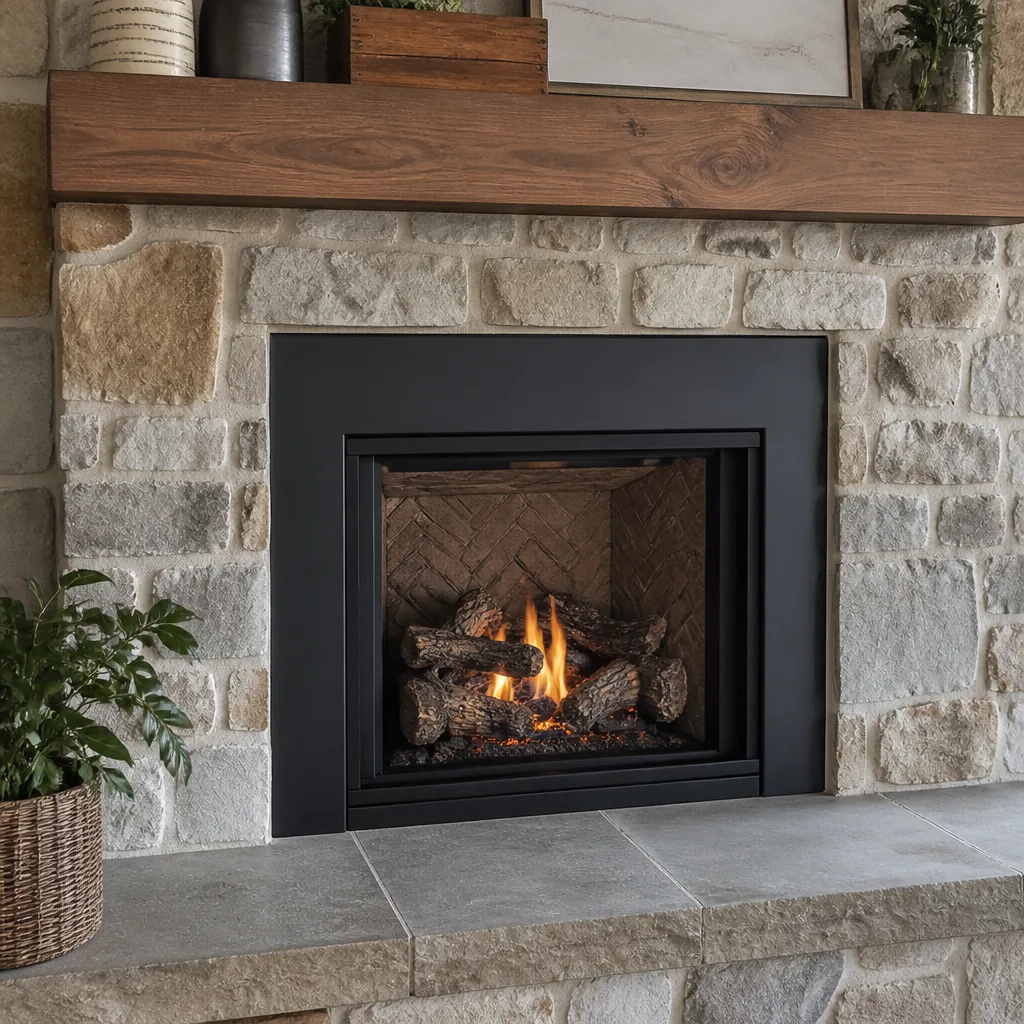 Gas fireplace service
Level 1 sweep and inspection to the NFPA 211 annual standard - flue, crown, cap, and flashing checked and photographed
Chimney sweep logs do not sweep chimneys. They loosen some creosote - which then falls where a brush and vacuum still have to collect it.
How to Hire a Chimney Cleaning Contractor in Upper East Side: A Step-by-Step Guide
A CSIA-certified sweep and a guy with a van and brushes can quote nearly the same price for a cleaning. The difference between them doesn’t show up on the day of the job. It shows up the first time something goes wrong and you find out the person who was on your roof carried no coverage for the work they were doing up there. Most homeowners in Upper East Side never ask about liability, camera protocol, or written documentation before they book. This guide changes that. We’ll walk through the exact credentials to require, the questions that reveal whether a contractor actually inspects before they quote, the red flags that show up in this market specifically, and what a real proposal document should contain.
Quick Answer
To hire a chimney cleaning contractor in Upper East Side, verify CSIA certification and current general liability and workers’ comp insurance before booking, ask whether the inspection includes a camera and a written condition report with photos, and require a written proposal that names specific materials and warranty terms. A firm price agreed before the sweep plus a documented report afterward is the standard you should hold any contractor to. Prices for a routine sweep in Upper East Side typically run $150 to $350 by chimney type and condition, with the written estimate setting the final figure.
Styles & brands we work with
- Sweep & inspection
- Caps & crowns
- Flue relining
- Masonry repair
- Gas fireplace service
Table of Contents
- Why Liability, Not Price, Is the Real Hiring Question
- The Credentials to Verify Before Anyone Goes on Your Roof
- The Camera Inspection Protocol and the Written Report
- How to Verify NYC Insurance Coverage for Rooftop Work
- Upper East Side Red Flags: Low Quotes, No Access Plan, No Containment
- What a Legitimate Proposal Document Looks Like
- Step-by-Step: How to Hire in the Right Order
- Ten Questions to Ask Before You Sign Anything
Why Liability, Not Price, Is the Real Hiring Question
The chimney trade has a wide range of people doing the work. At one end is a certified specialist who carries general liability and workers’ comp, uses camera inspection, and writes a condition report. At the other end is a general home-services operator who cleans chimneys as an add-on. To a homeowner watching from the sidewalk, they look nearly identical. The crews both arrive, both go up on the roof, both leave with soot in a bucket.
The difference shows up in three places. The first is insurance. If an uninsured worker falls from your roof or drops equipment onto a neighbor’s property, the exposure can come back to the building owner. The second is the report. A sweep without inspection tells you the flue is cleaner than it was, not whether the liner has cracks, the damper seals, or the crown is failing. The third is the paper trail. When a job goes bad, the party who provided a written proposal with named materials and warranty terms has something to stand on. The one who quoted from memory does not.
In Upper East Side, this matters more than in many markets because the housing stock is older and the flues are often original to the building. A chimney that was lined for coal and later converted to gas or oil carries a different risk profile than a newer masonry flue. The person on your roof needs to recognize what they’re looking at. That recognition comes from training, certification, and camera inspection. It does not come from a brush and a ladders.
Before you compare prices, compare what you’re actually buying. A lower price on the invoice means nothing if the work isn’t insured and the report doesn’t exist.
The Credentials to Verify Before Anyone Goes on Your Roof
The chimney industry has two credentials worth checking. Neither one is a logo you should take at face value. Both have verifiable online listings you can pull up in a minute.
CSIA certification stands for Chimney Safety Institute of America. It’s a written exam that covers flue construction, venting, combustion byproducts, and inspection standards. Passing it means the technician demonstrated knowledge of how a chimney system works as a system, not just how to push a brush through a flue. It’s renewed through continuing education. When a contractor says they’re CSIA-certified, look up the company on the CSIA directory and confirm the certification is current. Lapsed certifications are common.
NFI membership stands for National Fireplace Institute. NFI tests specifically on hearth appliances: wood stoves, gas fireplaces, pellet units, and the venting that goes with them. A contractor who services fireplaces should be able to tell you which NFI certifications their technicians hold. This matters in Upper East Side specifically, because many pre-war and mid-century buildings here have original fireplaces that have since been converted or lined for gas. The person inspecting the firebox and damper should know how those components interact with each fuel type.
The third credential to ask about is install certification for the specific liner systems. Liner manufacturers like DuraFlex and HeatShield publish lists of installers authorized to apply their systems. When you ask about liner work, ask which of these systems the contractor is authorized on. A name on the proposal that matches a manufacturer’s verified installer listing is strong evidence. A vague “we install liners” is not.
Our technicians have up to 10 years of experience, and we’re certified on the brands we install. When we send someone to an Upper East Side building, we can tell you exactly which of those certifications they hold.
The Camera Inspection Protocol and the Written Report
A chimney sweep that doesn’t include a camera inspection is a cleaning, not a service. The cleaning matters, but the inspection is what tells you the condition of the flue. A flue can look fine from the firebox and have a hidden crack thirty feet up where the joints have failed. Camera inspection is the only reliable way to find that.
When you talk to a contractor, ask about the camera protocol specifically. Here’s what you should hear:
- The camera is inserted at the top of the flue or from the firebox, depending on the chimney’s geometry, and run the full length.
- The tech records video during the inspection and captures still photos of any damage found.
- A written condition report is produced before the sweep is finished, or by the end of the visit.
- Photos or video are shared with you directly, not summarized over the phone.
- The report is signed by the technician who performed the inspection and identifies the specific areas of concern.
We follow that protocol because the alternative is guesswork. Our guiding rule is simple: before we sweep, we look. Before we quote, we inspect. That’s why a camera inspection and a photo report are included with the work, not sold as an upsell.
The report should give you a plain description of what was found. You should be able to see for yourself the crack in a tile, the missing mortar joint, or the corroded damper. If a contractor tells you the liner needs to be replaced but can’t show you the photo, that’s the moment to slow down. Nothing we recommend goes ahead without camera evidence you can see. If a repair can safely wait until next burning season, we tell you that too.
How to Verify NYC Insurance Coverage for Rooftop Work
Any contractor sending workers onto a roof should carry two types of coverage: general liability insurance and workers’ compensation insurance. The first protects the building and surrounding property if the contractor’s work causes damage. The second covers injury to the workers themselves. Without workers’ comp, a fall on your roof can turn into a claim against the property owner or the building’s insurance.
New York State requires most employers to carry workers’ compensation, but confirming a specific contractor actually has current coverage is on you. Here’s how to verify:
- Ask for a certificate of insurance. This is a one-page document listing general liability, workers’ comp, and the coverage limits. Any legitimate contractor can produce one.
- Read the expiration dates. A certificate that expired six months ago isn’t proof of current coverage.
- Confirm the name matches. The name on the certificate should match the name on the proposal and contract, not a parent company or a different entity.
- Ask for the additional-insured endorsement. For higher-value work or if required by your building, ask whether your building or association can be added as additional insured for the duration of the job.
- Call the insurer if anything looks off. The phone number is on the certificate. A 60-second call to confirm active status closes the loop.
For Upper East Side cooperative and condominium buildings, the building may have its own insurance requirements that contractors must satisfy. If you live in a co-op or condo, ask your managing agent what documentation the building requires before a contractor can work on the roof or in the unit.
We work with independent local professionals who carry current general liability and workers’ comp coverage as their state requires. We’ll walk you through the documentation before any work begins.
Upper East Side Red Flags: Low Quotes, No Access Plan, No Containment
There are a handful of warning signs specific to this neighborhood. When you see more than one at the same time, walk away.
An unusually low quote with no scope. A sweep in Upper East Side isn’t a $49 job. Materials, labor, and rooftop access all cost what they cost. When a quote comes in far below others, the savings are usually coming from something missing: no camera inspection, no written report, no roof access plan, no interior containment. Ask the contractor what the quote includes line by line. If they can’t list it, the quote is a placeholder, not a price.
No rooftop access plan. Upper East Side buildings have varying roof access: some have stairs, some ladder access from a fire escape, some require a rope-and-harness from a hatch. A contractor who hasn’t discussed how they’re getting onto your roof hasn’t thought through the job. Ask how they’ll access the chimney top, what harness system or ladder they’ll use, and whether they have a plan for anything falling. If the answer is vague, that’s a sign they’re not used to working in this building type.
No HEPA containment for interior work. Chimney sweeping creates fine soot and dust. A professional interior setup means drop cloths, sealed plastic at doorways, and HEPA-rated vacuum equipment running continuously. A shop vac is not the same thing. Ask specifically what containment and vacuum equipment they use. If the answer is “we’re careful,” that’s not a protocol.
No written report. See the section above. If the contractor doesn’t produce a report, you have nothing to reference for future work and nothing to hand a future insurer.
No mention of a fireplace repair scope. Fireplaces are part of the same system as the chimney, and damage to the firebox, damper, or smoke shelf affects how the chimney drafts. A contractor who only talks about the flue above the roofline and not the fireplace below is treating the symptom, not the system.
Unfamiliarity with the area. A contractor who can’t name a few streets or clarify building-type differences in Upper East Side is likely driving in from elsewhere. That’s not automatically disqualifying, but it does mean you should ask harder questions about how often they work in buildings like yours.
What a Legitimate Proposal Document Looks Like
A written proposal is your contract. It’s also your protection. If you later have to challenge a bill or make a warranty claim, the proposal is the document you held onto. Here’s what a real one contains.
A clear scope of work. The proposal should describe what’s going to be done: sweep only, sweep plus inspection, sweep plus crown repair, or full liner replacement. Each item should be separate so you can see what you’re paying for. A single line saying “chimney service” is not a scope.
Materials called out by brand and type. Any liner or cap work should name the specific product. This isn’t about brand loyalty. It’s about traceability. If a repair is done with DuraFlex liner, that specific product line carries specific warranty and performance characteristics. If a crown is sealed with HeatShield ceramic resurfacing, that method has its own conditions and applications. A proposal that says “we’ll install a liner” gives you no way to check what you’re getting. A proposal that names the product does. We install DuraFlex and HeatShield systems because we can tell you exactly what’s in the flue above your firebox, and we can supply the manufacturer’s documents if the warranty ever needs to be invoked.
Warranty terms in writing. What does the manufacturer cover, for how long, and what voids it? What does the installing contractor cover, and for how long? Ask for the manufacturer’s warranty paperwork along with the proposal. A verbal warranty is not a warranty.
Price and payment terms. The proposal should state the firm price for the described scope. If there’s an inspection phase and a repair phase, each should be priced separately. Anything that says “price to be determined after inspection” should also say what the inspection itself costs, if anything.
Signature and date. A proposal without a signature line is a quote. A signed proposal is the contract.
Chimney repair in Upper East Side should always arrive with a proposal like this before any work is booked. If the document you’re handed doesn’t meet that standard, you’re within your rights to ask for a revised one.
Step-by-Step: How to Hire in the Right Order
Here’s the sequence to follow. Doing these steps in order keeps you from getting stuck with a contractor whose credentials are incomplete or whose paperwork is thin.
- Identify three contractors through CSIA and NFI directories, or through personal referrals from neighbors in your building.
- Confirm certification status by looking up each contractor’s listing. Lapsed certifications count as no certification.
- Ask for a sample condition report from a previous job, redacted if necessary. You’re looking for a document that names specific findings with photos attached.
- Request the certificate of insurance and confirm current general liability and workers’ comp coverage.
- Get a written proposal with scope, materials, and warranty terms before booking. Compare the three side by side.
- Confirm the rooftop access plan and the interior containment setup. These should be described in writing.
- Book the sweep. The price should be firm before the day of the visit.
- Review the report after work is done. Ask questions about anything you don’t understand. A good contractor will walk you through the findings.
Doing this in order matters. Many homeowners ask about pricing before credentials, and end up comparing apples to oranges. Get the credentials and the proposal lined up first, then compare price.
Ten Questions to Ask Before You Sign Anything
Bring this list to your first call. The answers tell you most of what you need to know.
- Are your technicians currently CSIA-certified? A yes with a directory listing to confirm is worth ten verbal assurances.
- What NFI certifications does your team hold? Important if your fireplace is gas, pellet, or wood-burning.
- Will you do a camera inspection and provide a written report? The answer should be yes, with photos.
- What liner systems are you authorized to install? You’re looking for named manufacturers, not a generic affirmative.
- Can you provide a current certificate of insurance? General liability and workers’ comp.
- What is your rooftop access plan for my specific building? The answer should describe ladders, harnesses, or hatches.
- What containment and vacuum equipment do you use indoors? HEPA vacuum and sealed drop cloths, not a shop vac.
- What is the firm price and what does it include? Line items, not a single number.
- What are the warranty terms on the work and on any installed materials? In writing, with manufacturer paperwork.
- If something fails a year later, who do I call? The answer should be the same company that did the work.
The tenth question is the real one. A single company that handles cleaning, inspection, cap and crown work, liner repair, and fireplace repair has fewer places to point when something goes wrong. That’s why we keep our scope inside the chimney and hearth trades. One inspection covers your entire chimney system.
Common Mistakes to Avoid
- Booking by price alone. In Upper East Side, a low quote usually reflects a missing scope, not a bargain. Ask for a line-item scope and compare what’s actually included, not just the number at the bottom.
- Accepting a verbal inspection report. Hearing “your flue looks fine” over the phone isn’t a report. You need photos and a written document you can reference later.
- Skipping the insurance check. It takes two minutes and can save a building of headaches. Request the certificate of insurance on every contractor, every time, even the ones with impressive websites.
- Assuming anyone who does chimney work also inspects. Sweeping and inspection are separate skills. Ask explicitly whether the camera inspection is included in the visit.
- Ignoring the fireplace side of the system. Your firebox, damper, and smoke shelf matter as much as the flue above the roof. A contractor who doesn’t work on both is only half the equation.
- Letting a contractor quote repair work without showing you the evidence. If a crew says your liner needs replacing but can’t show you the photo, you’re not in a position to make an informed decision. Nothing should be recommended without camera evidence you can see.
- Skipping the proposal document. A verbal agreement on scope, price, and materials isn’t enforceable. Get it in writing.
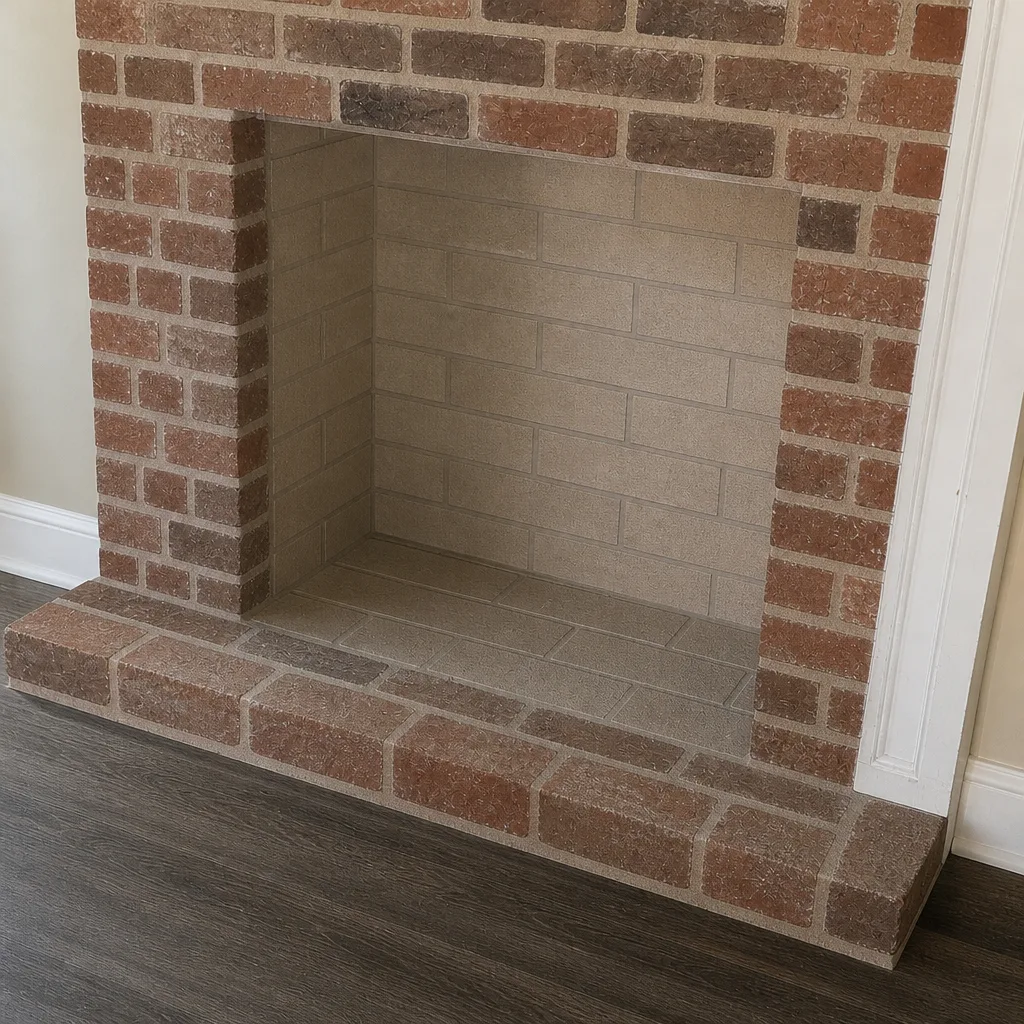
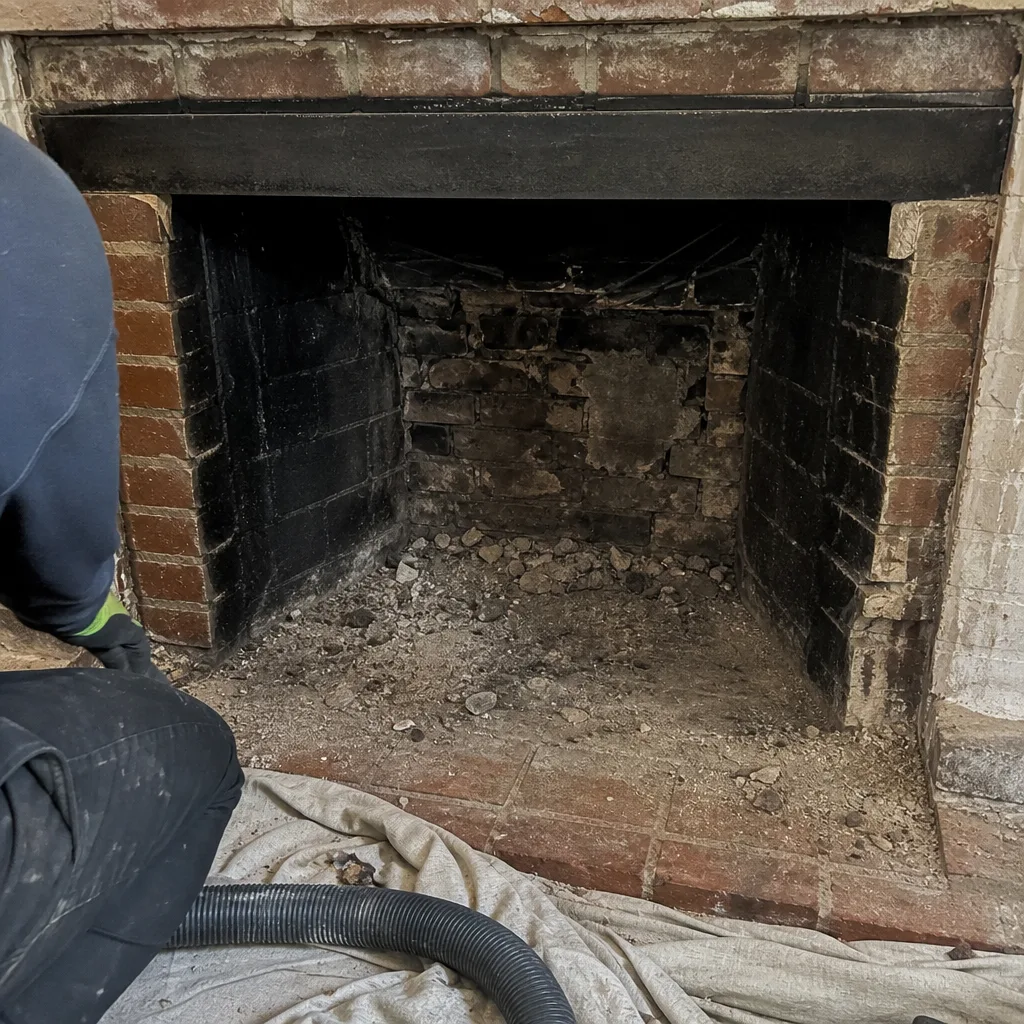
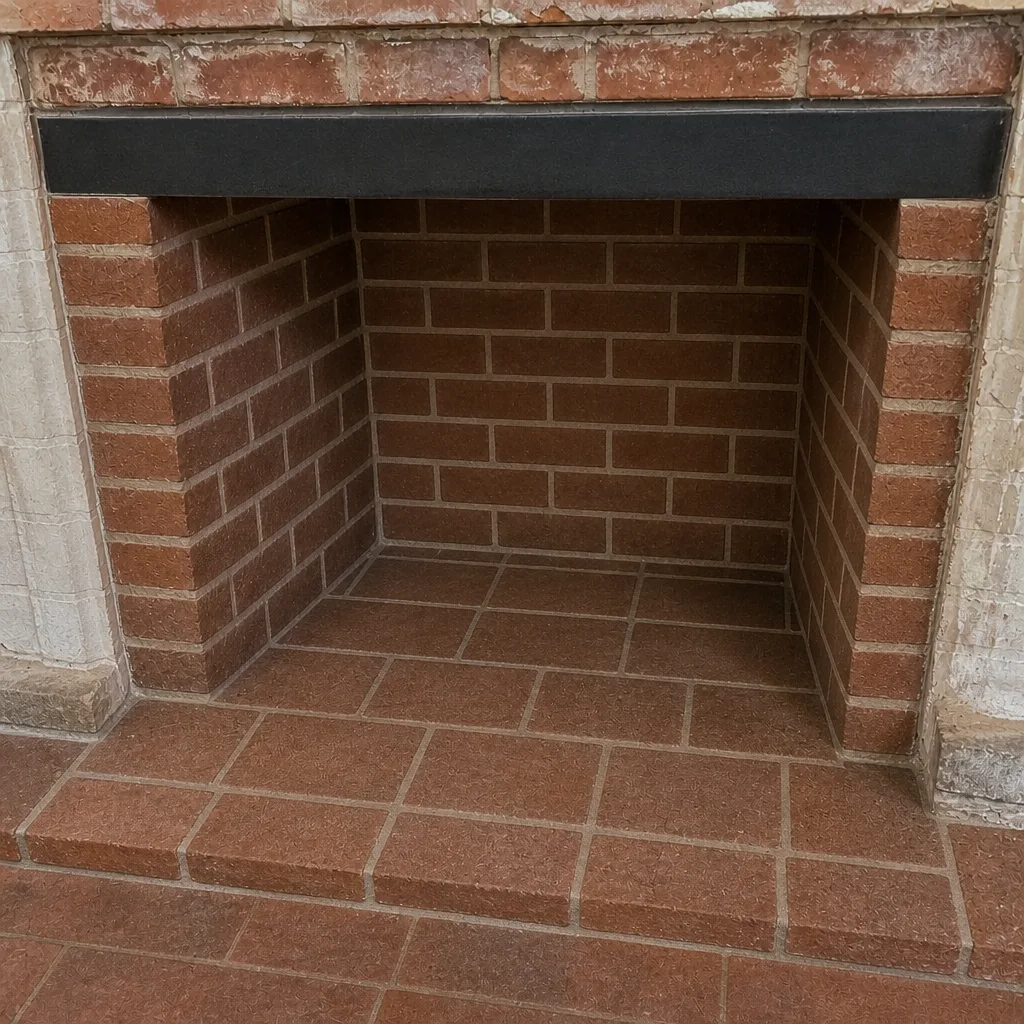
See the difference
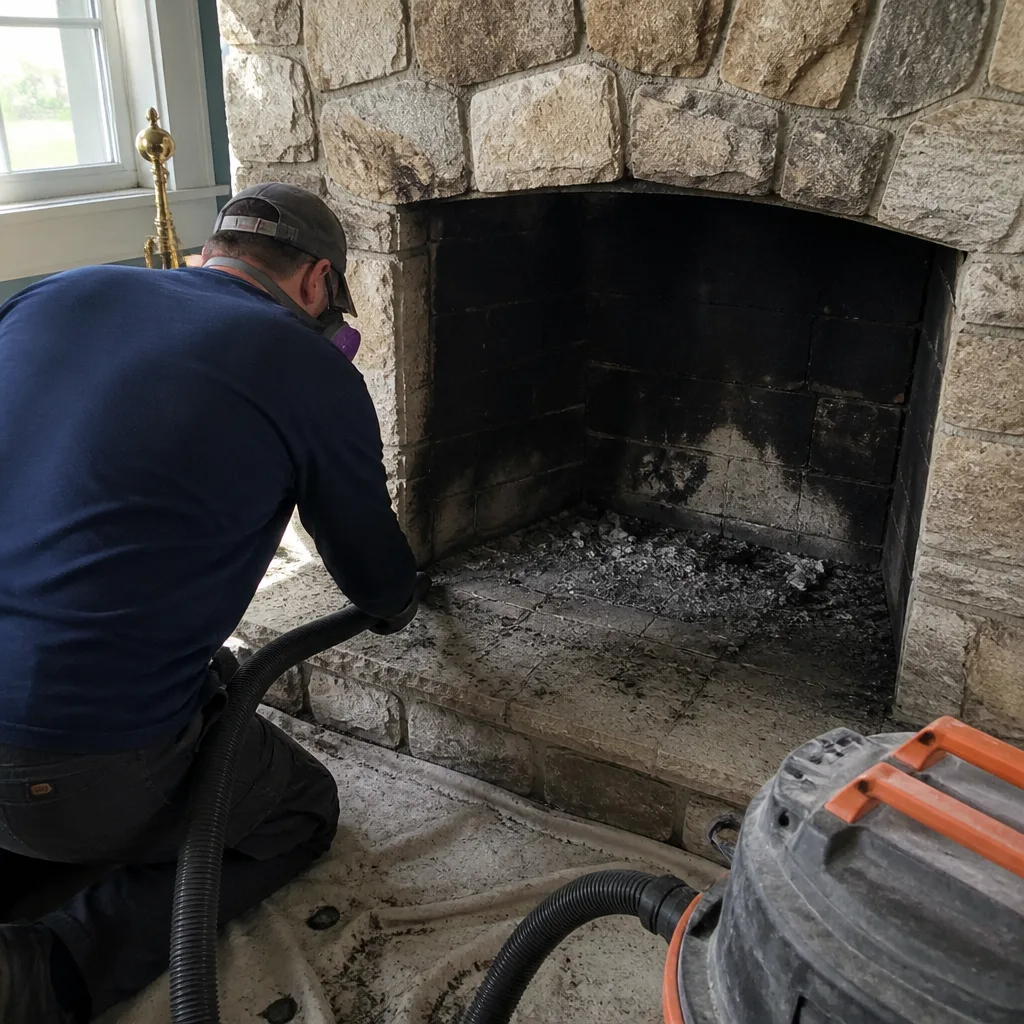 Before
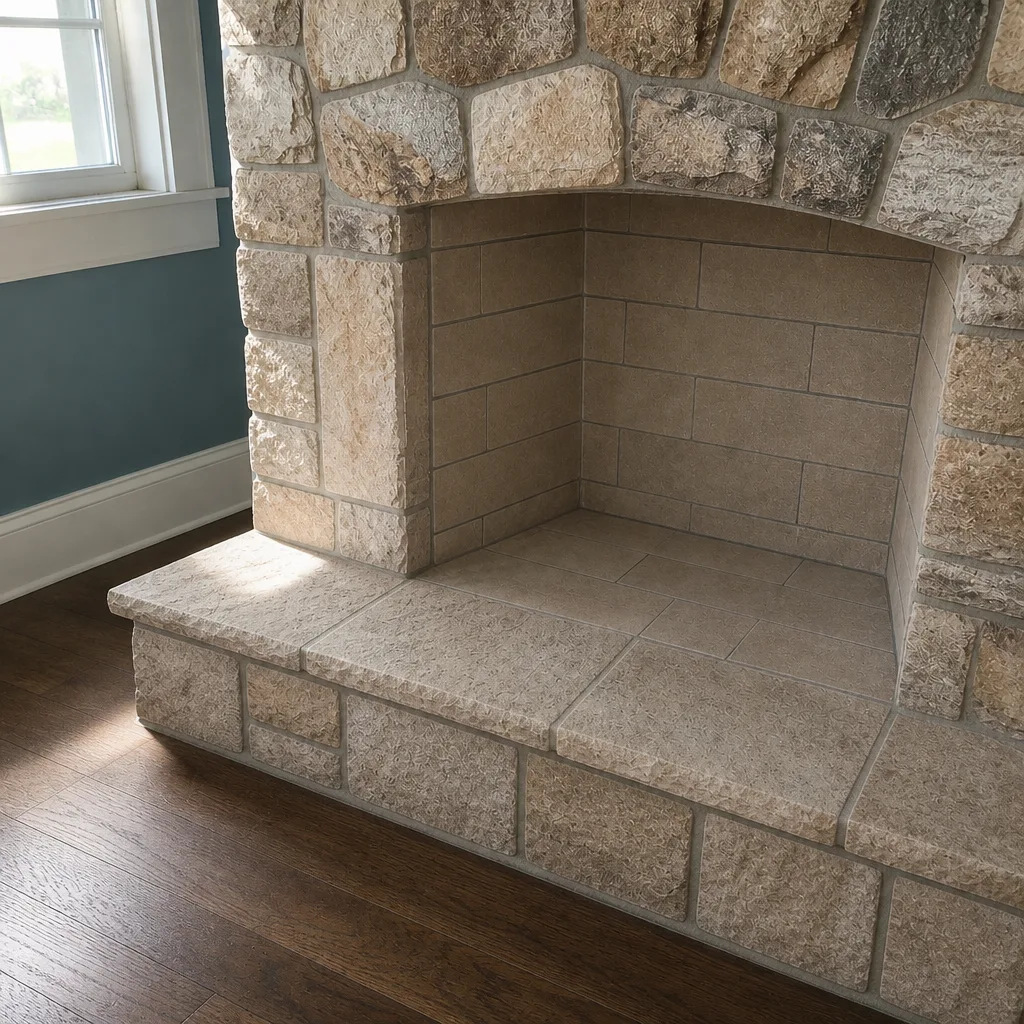 After
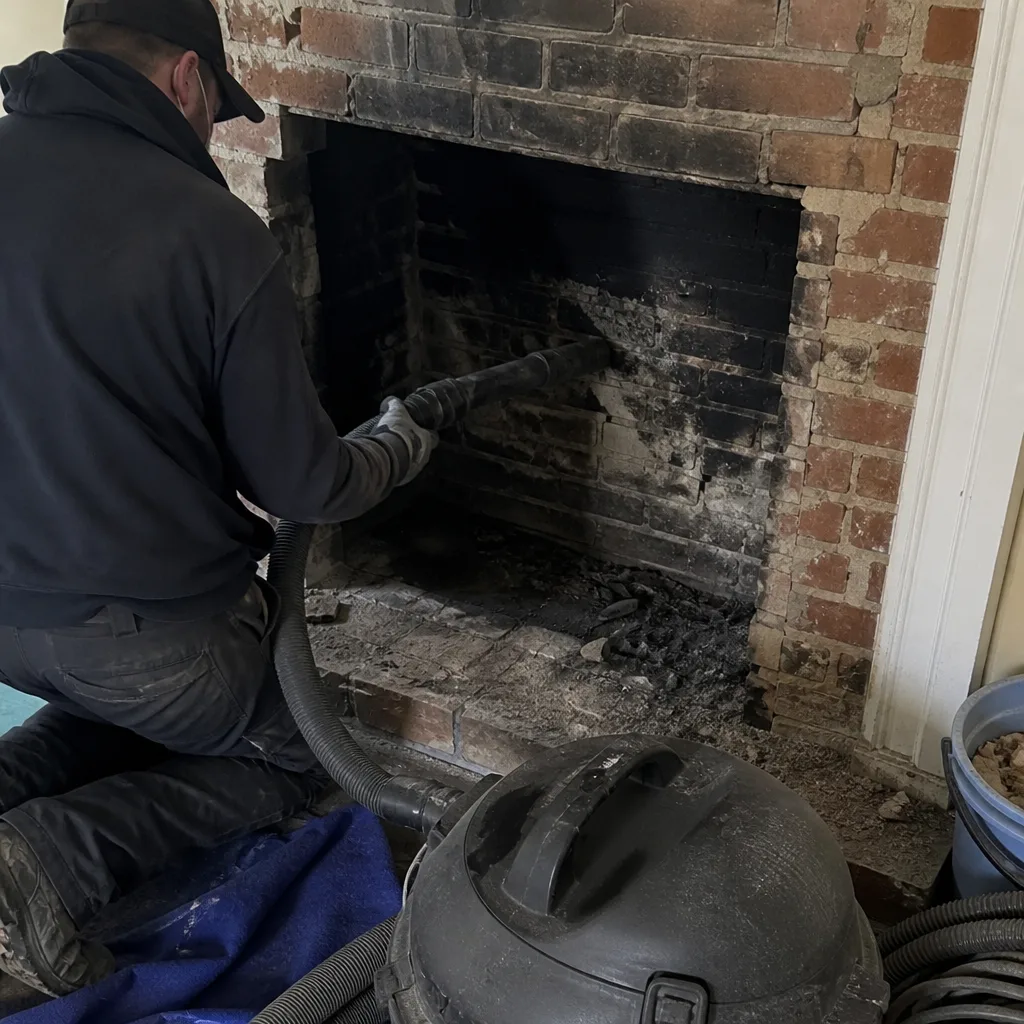 Before
 After
 Before
 After
When to Call a Professional
Some things about a chimney you can check yourself: visible creosote buildup in the firebox, a damaged damper, or staining around the firebox that suggests moisture intrusion. Other things belong in the hands of a trained professional. Any suspected flue blockage, any cracking you can see from the firebox that runs up into the flue, any roof-level damage to the crown or flashing, and any change in how the fireplace drafts are all reasons to call. If you’ve burned regularly through the last season and haven’t had the chimney swept, that’s the other reason. Our team at Chimney Sweep Upper East Side offers free estimates in Upper East Side. Call (877) 492-4134 to schedule an inspection. We answer 24/7. Fast dispatch from 7am to 7pm, Sunday through Friday.
Frequently Asked Questions
A routine chimney sweep in Upper East Side typically costs $150 to $350, depending on the chimney type and condition. Sweep plus camera inspection generally runs $250 to $450. Cap and crown work is typically quoted separately, as is any liner repair. The written estimate sets the final price, and you’ll have it before the work is booked. Call (877) 492-4134 for an exact quote – estimates are free.
You need a new liner only if the current one is damaged beyond what resurfacing can fix. The way to know is camera photo evidence: cracks, gaps at the joints, or deteriorated mortar are observable. Ask for the photos before you agree to anything. If the liner can be restored using a ceramic resurfacing method such as HeatShield rather than fully replaced, that’s a less expensive option worth asking about specifically. Nothing we recommend goes ahead without camera evidence you can see. Call (877) 492-4134 for an exact quote – estimates are free.
A chimney should be swept when there’s a measurable buildup of creosote, or at least once a year if you burn regularly. Chimneys used only occasionally can go longer between cleanings, but a yearly inspection is still worth doing. If you’ve recently changed fuel type or installed a new appliance, that’s another reason for an inspection. Call (877) 492-4134 for an exact quote – estimates are free.
Skipping the sweep allows creosote to build up on the flue walls, which is the fuel for a chimney fire, and it lets small liner damage go unrepaired until it becomes a larger repair or a safety issue. Most skipped sweeps don’t lead to immediate incidents, but they do lead to more expensive repairs over time. Call (877) 492-4134 for an exact quote – estimates are free.
Rooftop access depends on the building. Some Upper East Side buildings have hatch access with a permitted ladder and harness setup, others have fire escape access, and some require coordination with the building manager. We’ll discuss the specific access plan for your building before booking, and coordinate with the managing agent if needed. Documentation required by the building is something we can provide before the visit.
A sweep cleans the flue. An inspection evaluates the condition of the entire chimney system and produces a written report with photos. Every job we book includes both, but if you’re comparing contractors, ask explicitly whether the inspection is part of the visit or an add-on. A sweep without inspection tells you the flue is cleaner, not whether it’s in good condition.
The Bottom Line
The credential is the first filter, the insurance check is the second, and the written proposal is the third. A contractor who passes all three will show you their certifications when you ask, provide a current certificate of insurance without hesitation, walk the roof access plan, use HEPA containment indoors, and leave a written report with camera photos behind. Price matters, but the price is only meaningful against a complete scope. Book chimney cleaning in Upper East Side against that standard and you’ll be safer, better documented, and less likely to need the work redone. Chimney Sweep Upper East Side is a dedicated chimney and hearth specialist, working inside the chimney trade rather than as a general home-services add-on. Call (877) 492-4134 for a free estimate. We answer 24/7. Fast dispatch from 7am to 7pm, Sunday through Friday.
Written by the team at Chimney Sweep Upper East Side.