
Last updated November 25, 2026
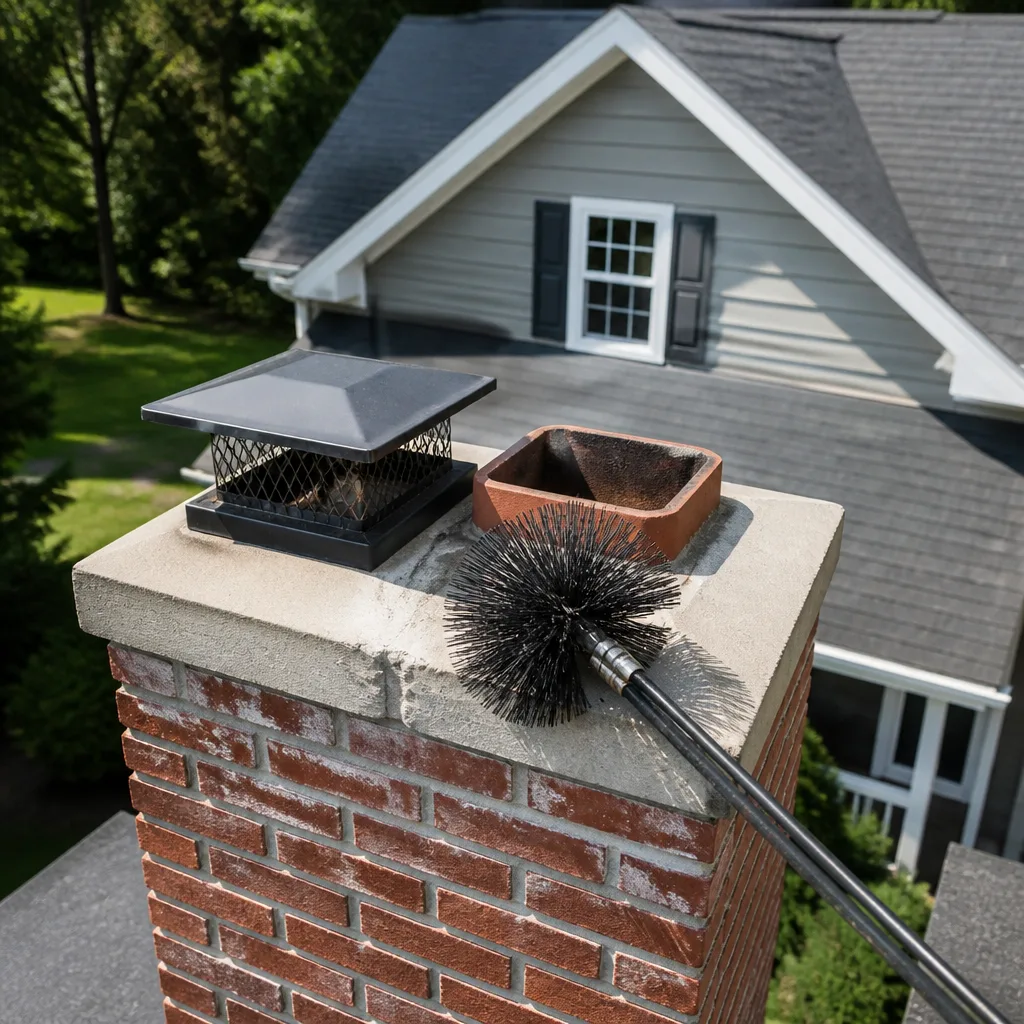 Sweep & inspection
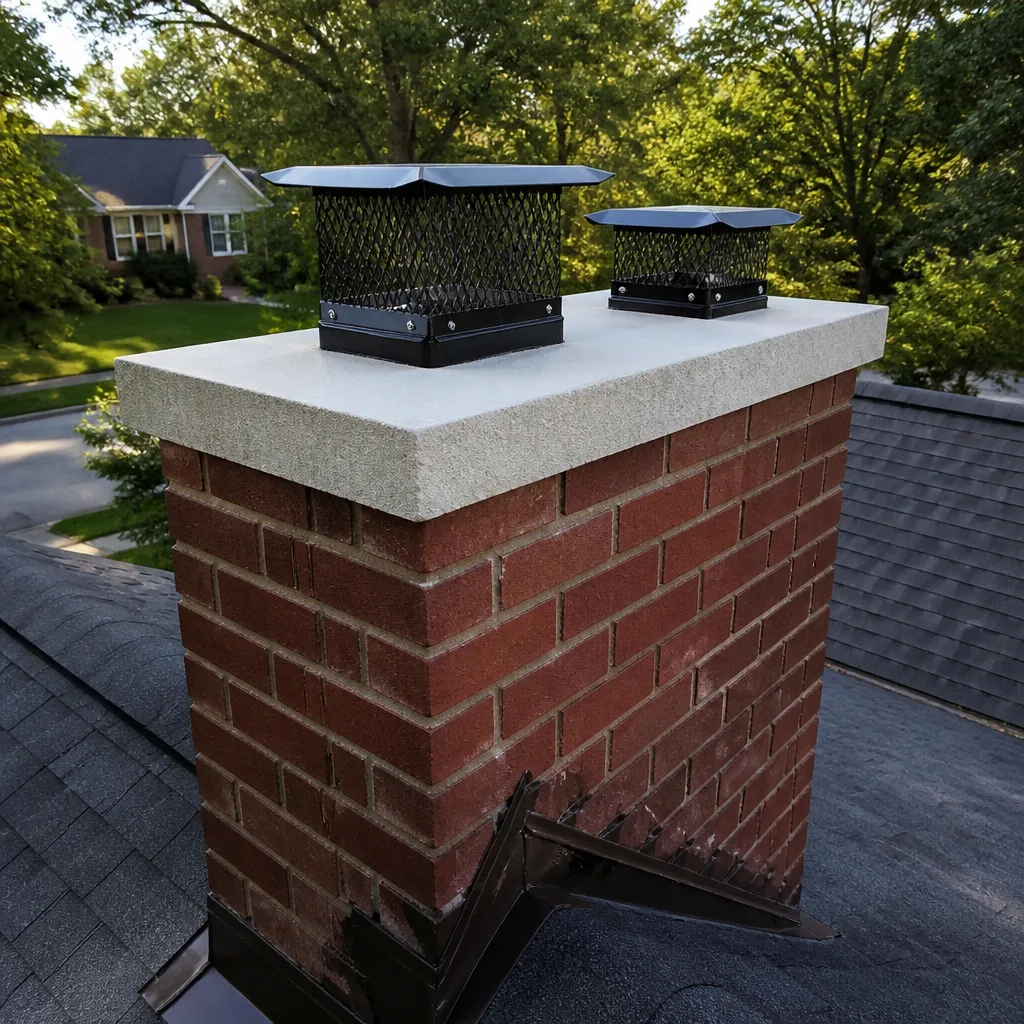 Caps & crowns
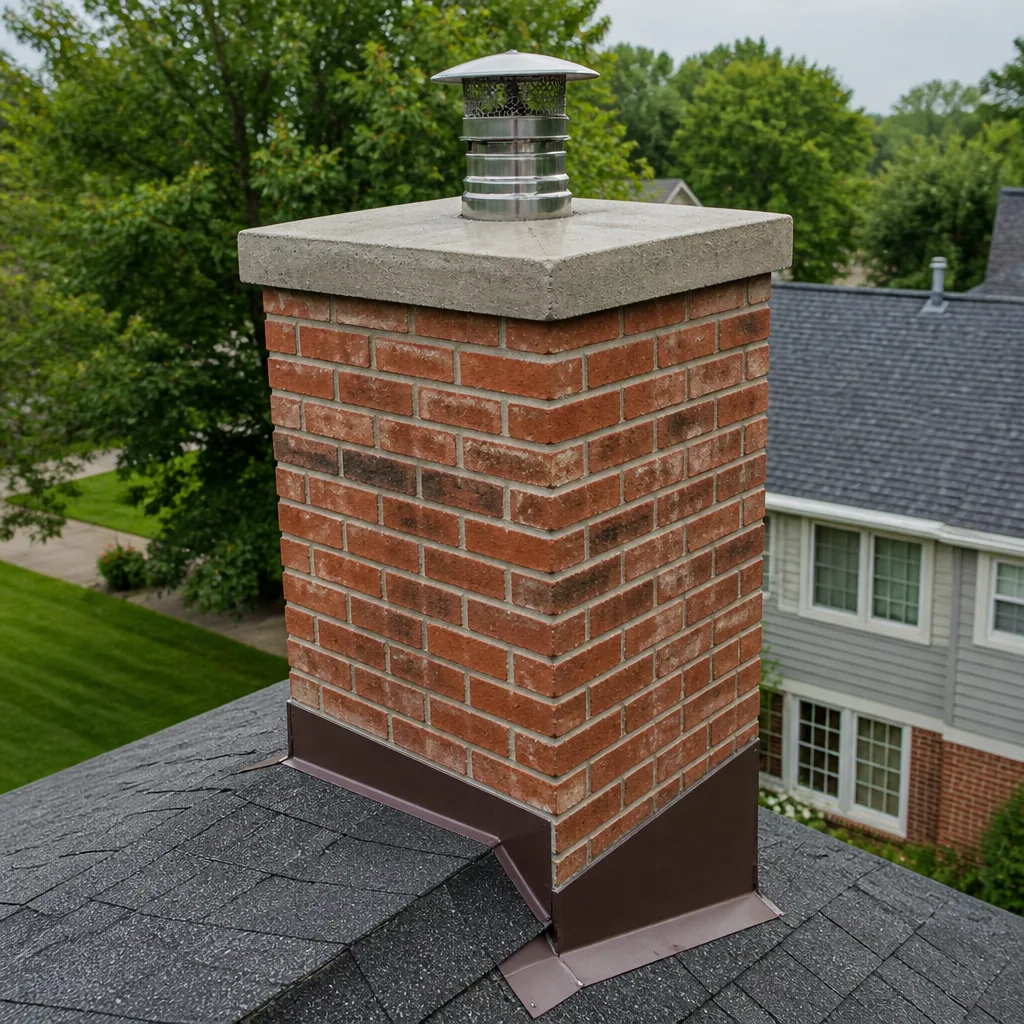 Flue relining
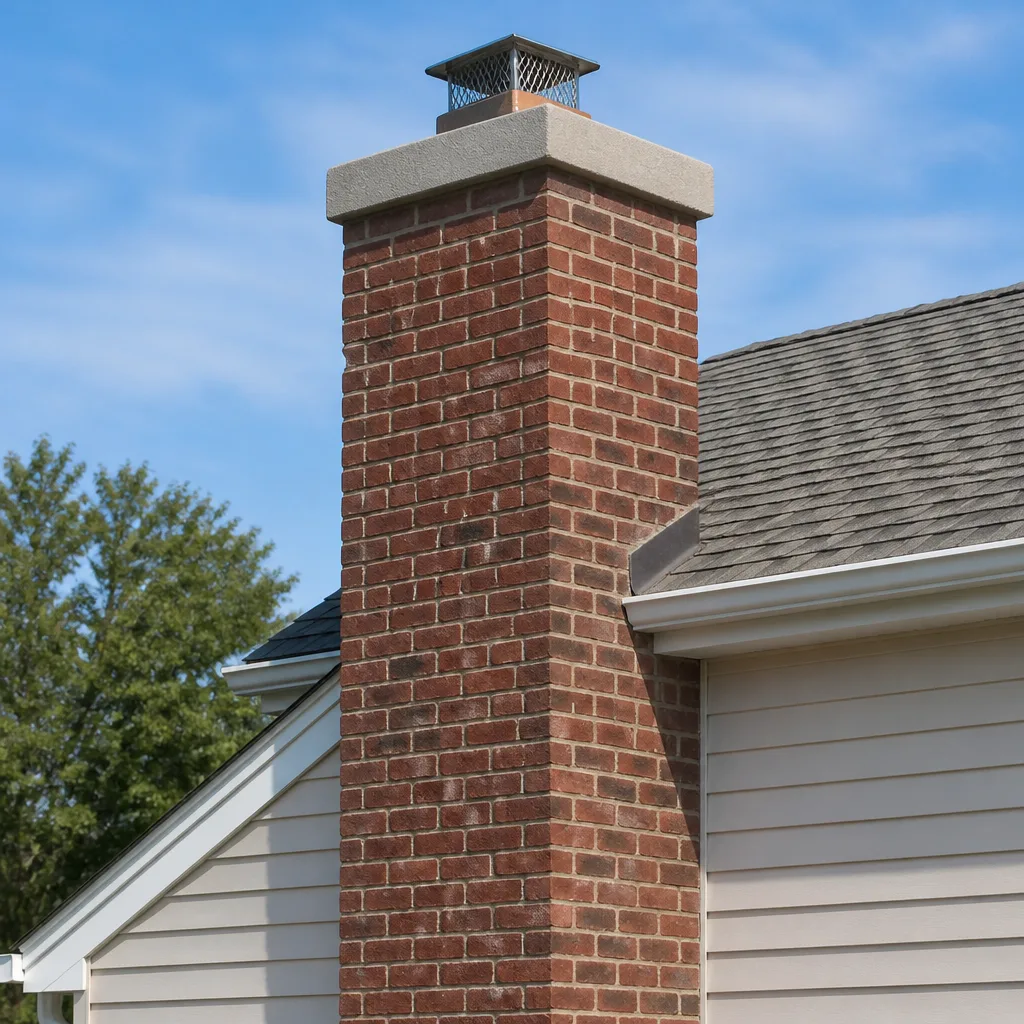 Masonry repair
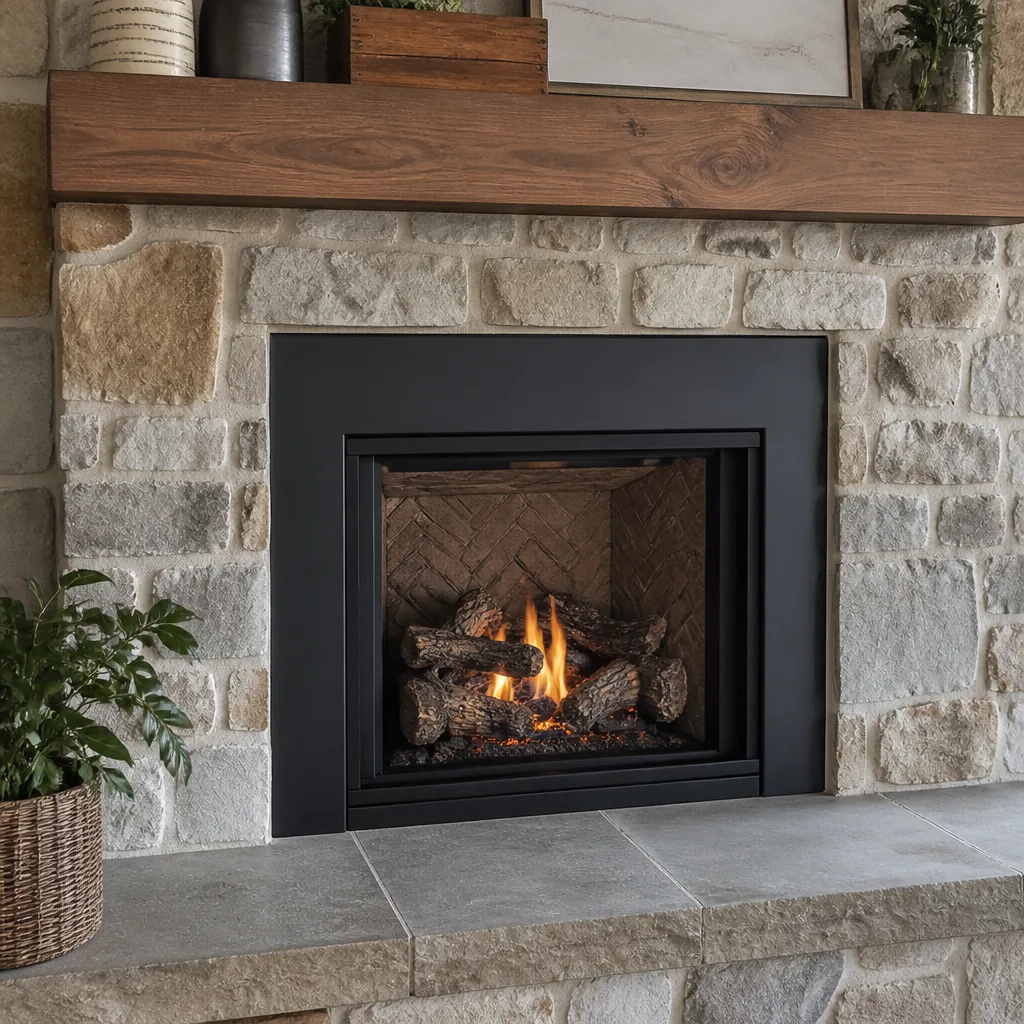 Gas fireplace service
Level 1 sweep and inspection to the NFPA 211 annual standard - flue, crown, cap, and flashing checked and photographed
Chimney sweep logs do not sweep chimneys. They loosen some creosote - which then falls where a brush and vacuum still have to collect it.
Chimney Cleaning Cost Breakdown: The Upper East Side Homeowner’s Reference for 2026
A $99 chimney cleaning quote and a $350 quote can describe the same job title but completely different scopes. One of them includes a camera inspection and a written photo report; the other doesn’t, and you won’t know which until after the technician has left and the appointment is behind you. That gap is why so many Upper East Side homeowners feel uneasy about chimney pricing. The number on the invoice rarely explains what actually happened on the roof or inside the flue.
This guide takes the opposite approach. We break down what a chimney cleaning in the Upper East Side actually costs in 2026, why those costs vary, and how the technical realities of Manhattan buildings – flue height, liner condition, rooftop access – drive every line item. By the end you’ll know how to read a proposal, compare two quotes fairly, and spot the difference between a legitimate access charge and padding. Understanding the cost drivers is the whole point.
Quick Answer
A standard chimney cleaning in Upper East Side, NY typically runs $185 to $375 in 2026, and that range should include a visual inspection with a written report. A cleaning bundled with a Level 2 camera inspection usually falls between $285 and $525. Rooftop access constraints, flue height, the number of flues, and the creosote stage all move the price, and the written estimate you receive before any work begins sets the final number.
Styles & brands we work with
- Sweep & inspection
- Caps & crowns
- Flue relining
- Masonry repair
- Gas fireplace service
Table of Contents
- What actually drives the cost of a chimney cleaning in Upper East Side?
- What’s the base cleaning cost for Upper East Side in 2026?
- The itemized cost drivers behind every quote
- Rooftop access on Upper East Side buildings: legitimate surcharge or padding?
- Common add-ons and when they’re genuinely warranted
- How to compare quotes apples-to-apples: the five line items
- Common mistakes to avoid
- When to call a professional
- Frequently asked questions
What actually drives the cost of a chimney cleaning in Upper East Side?
Chimney cleaning pricing has four main levers: flue height, the number of flues, the liner material, and how much creosote has built up. Every quote you get is really a reflection of those four variables plus access. A ground-floor fireplace in a brownstone and a sixth-floor duplex with a rooftop terrace can look identical on paper – “chimney cleaning” – and cost very different amounts because the physical work is different.
Flue height matters because sweeping is linear work. A taller flue takes more rods, more time, and more careful control from the roof. Most Upper East Side townhouses and brownstones run their flues well above the roofline, and some of the taller prewar buildings have unusually long runs. The longer the flue, the more time the technician spends, and the price reflects that. This is one reason a flat “one price fits all” quote is a warning sign: it’s usually padding one job to cover another, or cutting corners on the taller ones.
The number of flues matters for the same reason. A single-flue fireplace is one job. A building with a fireplace in the living room, a second in a bedroom, and a utility flue behind the kitchen is three jobs, even though it’s one chimney. Each flue needs its own sweep, its own inspection, and its own documentation.
Liner material changes the technique. A clay-tile flue sweeps one way; a stainless liner sweeps differently because you’re cleaning a smoother metal surface without aggressive brushing that could scratch or distort it. A cast-in-place liner – including the HeatShield ceramic system we install – is cleaned yet another way. If a contractor doesn’t ask what kind of liner you have, they’re not planning their work.
Creosote stage is the last driver. Creosote builds up in recognized stages, and the harder, glazed stages take longer to remove and may call for chemical treatment before sweeping. A flue with light, powdery buildup sweeps quickly. A glazed flue takes significantly more labor, and the price reflects it – because doing the job properly means removing the dangerous layer, not just skimming the surface.
What’s the base cleaning cost for Upper East Side in 2026?
National averages published online tell you almost nothing about Manhattan. Labor costs, building access logistics, and the age of the housing stock here all sit well above the national baseline. So the numbers below are built around Upper East Side realities, not a generic figure pulled from a cleaning-industry survey.
| Service | Typical 2026 range | What it includes |
|---|---|---|
| Standard sweep, single flue | $185 – $275 | Brush sweep, visual inspection, written report |
| Standard sweep, two flues | $275 – $425 | Two separate flue sweeps, inspection of each, written report |
| Sweep with Level 2 camera inspection | $285 – $525 | Full flue video, documented condition report with photos |
| Glazed creosote removal | $350 – $700 | Chemical treatment plus sweep, staged removal |
| Rooftop access surcharge (when required) | $75 – $250 | Additional setup time for restricted or setback rooftops |
The base cleaning cost in the Upper East Side range should always include a visual inspection and a written report at minimum. That written report is the record of what the flue looked like before and after cleaning. Without it, you have no way to verify what was actually done. When you call for a quote, ask directly whether a written inspection report is included. If the answer is vague, that’s a signal.
A word about “bargain” cleaning ads. A cleaning priced far below the range above is almost never a cleaning at the same scope. Usually it’s a sweep with no inspection, or a sweep priced as a lead-in to a much larger repair recommendation. We’ve seen this pattern often enough in the Upper East Side market to be cautious about it. Before we sweep, we look. Before we quote, we inspect. That order protects both the homeowner and the work.
The itemized cost drivers behind every quote
When you look at a proposal, each line should correspond to a real physical fact about your chimney. Here’s what each driver actually means in practice, so you can evaluate whether the number on the page makes sense.
Flue height
Measured from the firebox to the top of the flue, this determines how much rod and how much time a sweep needs. A flue that runs fifty feet takes meaningfully more work than one that runs twenty. Ask the contractor to note the approximate height on the estimate. It’s a simple check that tells you whether they actually got up there and measured.
Number of flues
Count them on your own chimney first. If you have two fireplaces, expect two line items or a combined line that clearly accounts for both. An estimate that charges for “one chimney” while servicing two flues is a pricing error waiting to happen on the day of the job.
Liner material
Clay tile, stainless, and cast-in-place liners each need a different cleaning method. Stainless liners, particularly DuraFlex systems, are cleaned with softer tooling to avoid damaging the walls. Cast-in-place ceramic liners, like the HeatShield system, are cleaned to a specific method that won’t crack or chip the surface. Ask the contractor how they handle your liner type. If they can’t answer, that’s a real concern.
Creosote stage at time of cleaning
Creosote is described in recognized stages from light and dusty to hard and glazed. Stage one sweeps easily. Stage three glazed creosote needs chemical treatment and staged removal, and that takes more time and more material. This is one of the more honest reasons a quote can differ between two similar Upper East Side homes – one chimney has been maintained, the other hasn’t.
Rooftop access
Described in detail in the next section. The short version: some Manhattan rooftops require significantly more setup than others, and a legitimate access surcharge reflects real added labor.
Rooftop access on Upper East Side buildings: legitimate surcharge or padding?
Rooftop access is the item Upper East Side homeowners ask about most, because it’s the one that can feel arbitrary. A $150 “access fee” with no explanation looks like padding. A $150 access line that says “restricted roof access via interior stairwell, 45-minute setup” is a completely different thing. The technical reason is real. The way it’s presented is where the difference lives.
Here’s why access genuinely changes the price. On a standard townhouse, a technician climbs a ladder from the street or a rear yard and is on the roof in a few minutes. On a taller prewar building, roof access might run through a service stairwell, a bulkhead door, or a shared roof deck, with permission and timing constraints. Some rooftops have setbacks, parapets, or tight mechanical areas around the chimney itself. Each of those factors adds setup time, and setup time is labor. A legitimate access surcharge reflects that work.
The way to tell a real surcharge from padding:
- It’s explained in writing. A real proposal says why access costs more – stairwell time, restricted hours, setback geometry – not just “access fee.”
- It’s proportional. A modest line item for a genuinely restricted roof is normal. A surcharge that rivals the cleaning cost is worth questioning.
- It’s confirmable. You know your building. If access is genuinely difficult, the surcharge will make sense. If it isn’t, ask the contractor to walk you through why.
- It’s separate from the cleaning. The best proposals list access as its own line so it can be judged on its own merits.
One more angle: if a contractor never asks you about rooftop access before quoting, the price is either a guess or a lowball. Ask them to confirm how they’ll get to the roof and what that involves. The answer tells you a lot about how the rest of the job will go.
We plan access before we plan the sweep, because on Upper East Side buildings the roof often dictates the whole appointment. If you want a clear picture of what access will require on your building, our team can walk through it with you. And if the access plan includes work at the top of the chimney, that’s often the right moment to look at chimney cap & crown condition while the technician is already there.
Common add-ons and when they’re genuinely warranted
Add-ons are where cost breakdowns start to blur, because “recommended” work isn’t the same as “needed now.” Here’s an honest look at the three add-ons that come up most often, and when each one earns its place on the estimate.
Level 2 inspection with camera
A Level 2 inspection uses a video camera to examine the interior of the flue and document its condition with photos. It’s the correct scope after a chimney fire, after a liner installation, when you’re buying or selling a home, or any time a cleaning reveals an area the visual inspection can’t resolve. It’s genuinely warranted when there’s a specific question to answer – is the liner intact, what caused a draft problem, what’s behind a visible crack. It’s less essential on a well-maintained flue that was camera-inspected recently and shows no signs of trouble. If a contractor recommends a camera inspection without explaining what they’re trying to find, ask.
HeatShield ceramic resurfacing
The HeatShield system is a ceramic flue resurfacing method that restores damaged flue walls without a full liner replacement. It’s a specialist-only product, and it’s the right call when the liner has cracks, spalling, or gaps in the joints but the flue’s structure is otherwise sound. It’s genuinely warranted when camera evidence shows isolated damage that resurfacing can fix. It’s not warranted as a default upsell on a flue that doesn’t need it. We recommend HeatShield when the camera shows something specific it addresses – not before.
Chimney cap installation
A chimney cap keeps water, animals, and debris out of the flue. If yours is missing, damaged, or the wrong size for the flue, a new cap is a straightforward fix with real long-term benefit. We install and service caps from manufacturers like Copperfield and Famco because they offer known performance specs and durable construction. It’s genuinely warranted when the existing cap is failing or absent. If a cap is in good condition, there’s no reason to replace it, and a contractor who tries to upsell one anyway is telling you something.
The pattern across all three is the same: a legitimate add-on is tied to specific evidence about your chimney. We don’t recommend anything without camera images or physical findings you can see and evaluate yourself.
How to compare quotes apples-to-apples: the five line items
The biggest mistake in comparing chimney quotes is comparing a cleaning to an inspection-and-cleaning and calling it a price difference. To compare fairly, every proposal should itemize the same five things. If a quote leaves any of them out, you’re not comparing like for like.
- Scope statement. What exactly is being done – how many flues, which flues, sweep only or sweep plus inspection. Ask them to write it plainly, in a sentence you can read to a neighbor without translation.
- Access plan. How the technician will reach the roof, and whether any access conditions apply. If access is restricted, the surcharge should be listed with a short explanation.
- Inspection level. Whether the estimate includes a visual inspection (Level 1), a camera inspection (Level 2), or a more involved scope. Ask them to name the level on the estimate.
- Report deliverable. Whether you’ll receive a written report with photos. This is the record of what was found and what was done. If it’s not included, ask for it.
- Recommendations separated from the base scope. Any add-on work – HeatShield, cap replacement, camera fee beyond the base inspection – should be itemized on its own line, not rolled into the cleaning price. That way you can accept the cleaning and evaluate the rest on its merits.
When you’ve got two proposals in that format side by side, the numbers actually start to mean something. A quote that is $100 higher but includes a Level 2 inspection and written report isn’t the more expensive quote – it’s the more complete one, and the other shop is quoting a smaller job. That’s the whole game. Comparing apples to oranges is how the “$99” ads keep working.
If you’re comparing quotes for a chimney with damage you already know about, it’s also worth reading up on how chimney repair scopes are typically quoted, so a repair line doesn’t read as a black box. And if you haven’t had a sweep in a while, our overview of what a proper chimney sweep involves will help you recognize the scope in a proposal.
Common Mistakes to Avoid
- Choosing on price alone. The cheapest quote is usually the narrowest scope. Ask what’s included before comparing numbers, or you’ll be comparing a sweep to a sweep-and-inspection and wondering why one is higher.
- Not asking for the written report. A cleaning without a written report leaves you with no record. Ask every contractor whether a written inspection report with photos is part of the job.
- Ignoring rooftop access until the day of the job. On Upper East Side buildings, access is a real cost component. Confirm access expectations before the appointment so the quote you accepted is the price you pay.
- Accepting an add-on without evidence. Any recommendation – a new cap, liner repair, resurfacing – should be tied to something the technician can show you. If they can’t show you the problem, ask them to.
- Assuming you need full relining when you may not. Depending on the condition of your flue, a HeatShield ceramic resurfacing can restore integrity without a full liner replacement. It’s not right for every flue, but it’s worth asking whether the damage is isolated and repairable.
- Skipping the inspection because the chimney “looks fine.” Most chimney problems aren’t visible from the firebox. The inspection is where you find out what you can’t see.
- Not knowing which liner you have. Clay, stainless, and cast-in-place liners each need a different cleaning method. Not knowing means you can’t verify that the quote matches the reality.
When to Call a Professional
Some scenarios warrant a call right away, others just a scheduled visit. Call right away if you’ve had a chimney fire – even a small one – or if you notice strong creosote smells that don’t clear up, a crack in the firebox masonry, a damper that won’t close, or gas fireplace warning signs like soot or a persistent odor. These are situations where a camera inspection is the right next step, not a wait-and-see. Book a scheduled visit if you haven’t had a cleaning in more than a year of regular use, if you’re moving into a new home with a fireplace, or if you’re buying a co-op or townhouse with a fireplace and want its condition documented.
We offer free estimates in the Upper East Side. Call (877) 492-4134. We answer 24/7. Fast dispatch from 7am to 7pm, Sunday through Friday. Our technicians have up to 10 years of experience, and the estimate you receive is what sets the final price.
Frequently Asked Questions
A standard chimney cleaning in Upper East Side typically runs $185 to $375 in 2026 and includes a visual inspection with a written report. A cleaning bundled with a Level 2 camera inspection usually falls between $285 and $525. Rooftop access constraints, flue height, and the number of flues can shift the number. Call (877) 492-4134 for an exact quote – estimates are free.
You only need a new liner if the existing liner is damaged beyond what can be repaired. Before any liner recommendation, ask for the camera footage that shows the damage. If the damage is isolated to specific areas and the flue structure is otherwise sound, HeatShield ceramic resurfacing can restore the liner without a full replacement. If a contractor can’t show you the problem on camera, hold off. Call (877) 492-4134 if you want a second opinion with images you can see.
Once a year for most homeowners with regular fireplace use is the practical baseline, and more often if you burn frequently or see heavy creosote buildup. Creosote is what fuels chimney fires, so annual cleaning is the simplest way to keep it under control. If it’s been more than a year, book an appointment. Call (877) 492-4134 – estimates are free.
Creosote accumulates inside the flue and can ignite, which is the source of most chimney fires. Beyond fire risk, an obstructed flue can push exhaust and carbon monoxide back into the home rather than venting it outside. None of this means every year without a sweep is a crisis, but the risk grows the longer it goes. Call (877) 492-4134 for an inspection that includes camera evidence of what’s actually in your flue.
Manhattan labor, building access logistics, and the age of our housing stock all sit above the national baseline for chimney cleaning. A rooftop that requires a stairwell, a setback, or a service door adds setup time. A taller flue adds sweep time. A glazed flue adds treatment time. Each of these is a real cost driver, and each should be itemized on your estimate. Call (877) 492-4134 to walk through what your specific building will require.
We can give you a typical range over the phone and confirm the exact number once we see the chimney. The written estimate you receive before any work begins is what sets the final price, and if the scope changes once the inspection is done, we’ll talk it through with you first – not after the fact. Call (877) 492-4134 to get started.
The Bottom Line
Chimney cleaning cost on the Upper East Side isn’t a mystery number. It’s four technical variables – flue height, number of flues, liner material, and creosote stage – plus rooftop access. When a quote explains each of those, it’s a proposal you can evaluate. When it doesn’t, the number means nothing. The version of this guide worth keeping is the five line items: scope, access, inspection level, report, and separated add-ons. If a contractor’s proposal names all five, you can compare it honestly to any other quote. If it skips any of them, you’re comparing apples to oranges. When you’re ready for a proposal in that format, our team at Chimney Sweep Upper East Side can help.
Call (877) 492-4134 for a free estimate. We answer 24/7. Fast dispatch from 7am to 7pm, Sunday through Friday.
Written by the team at Chimney Sweep Upper East Side.
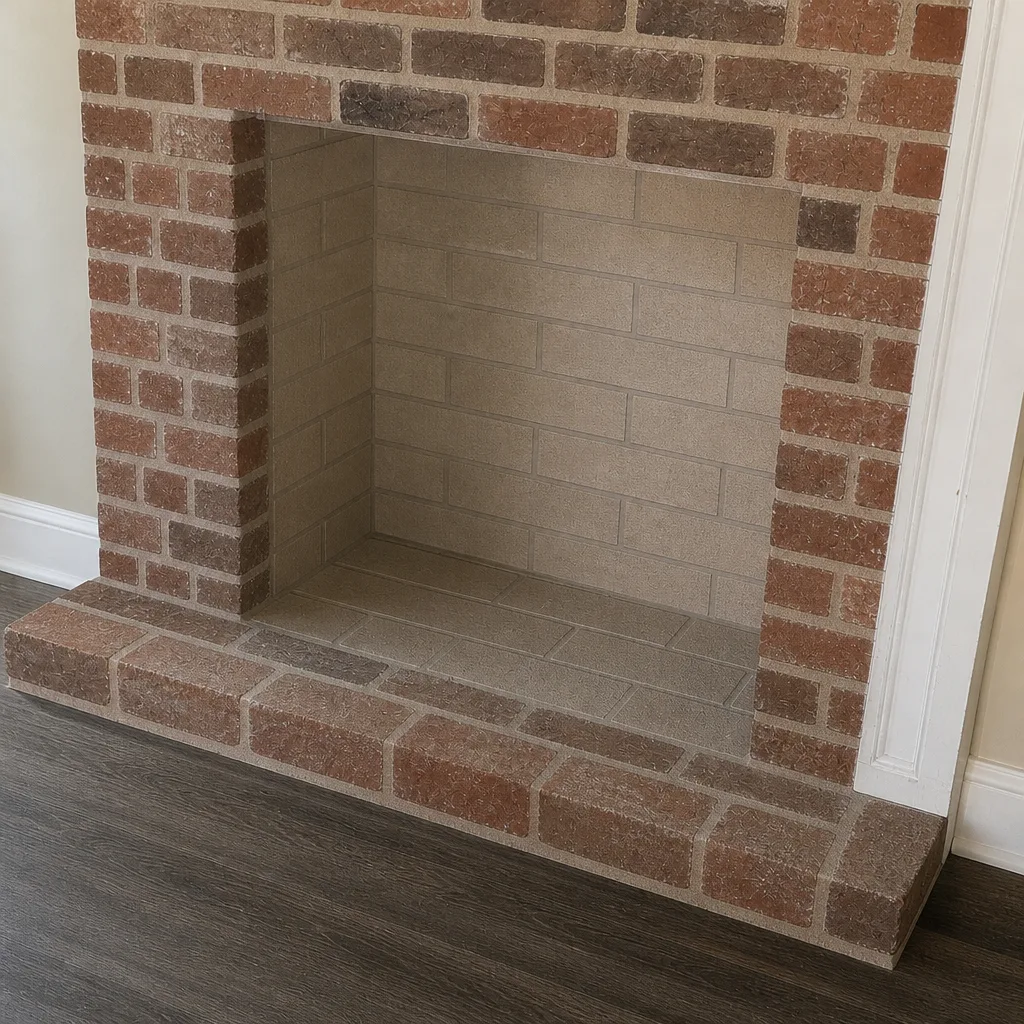
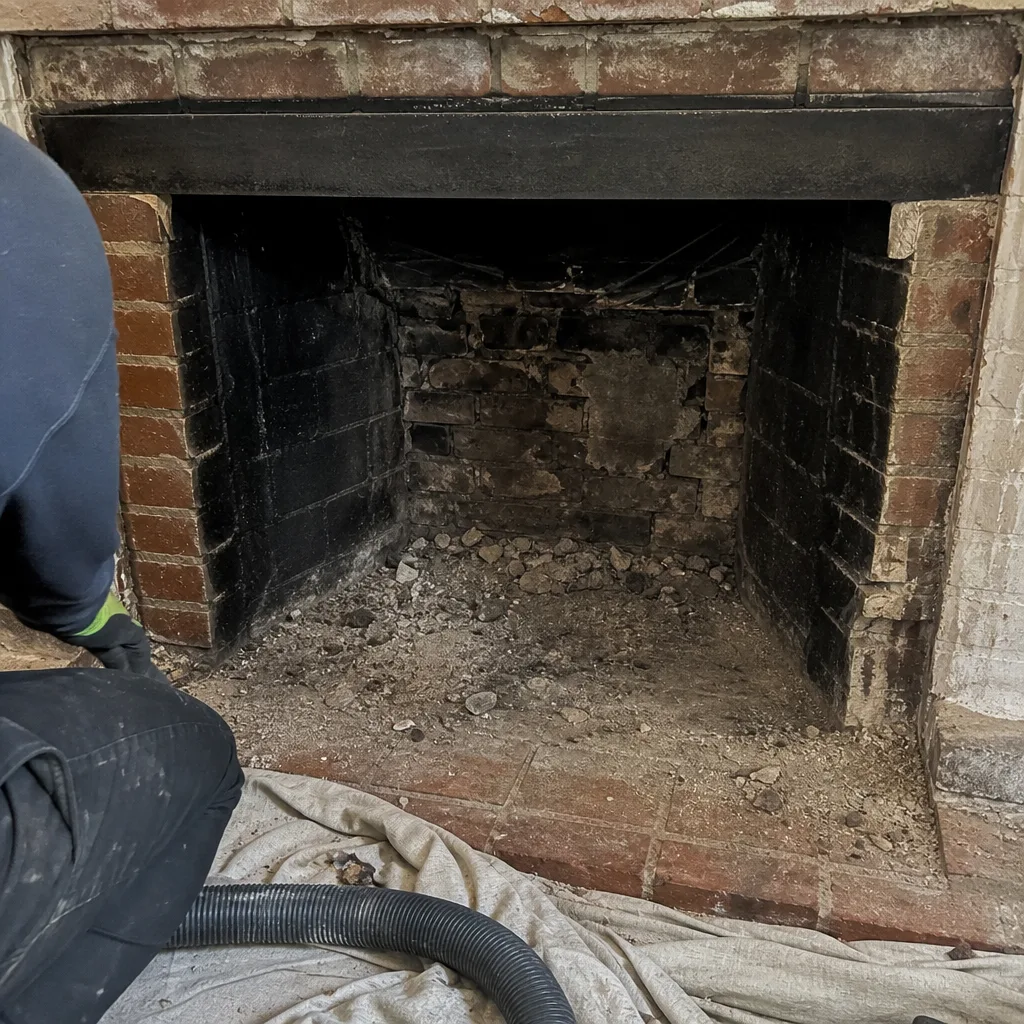
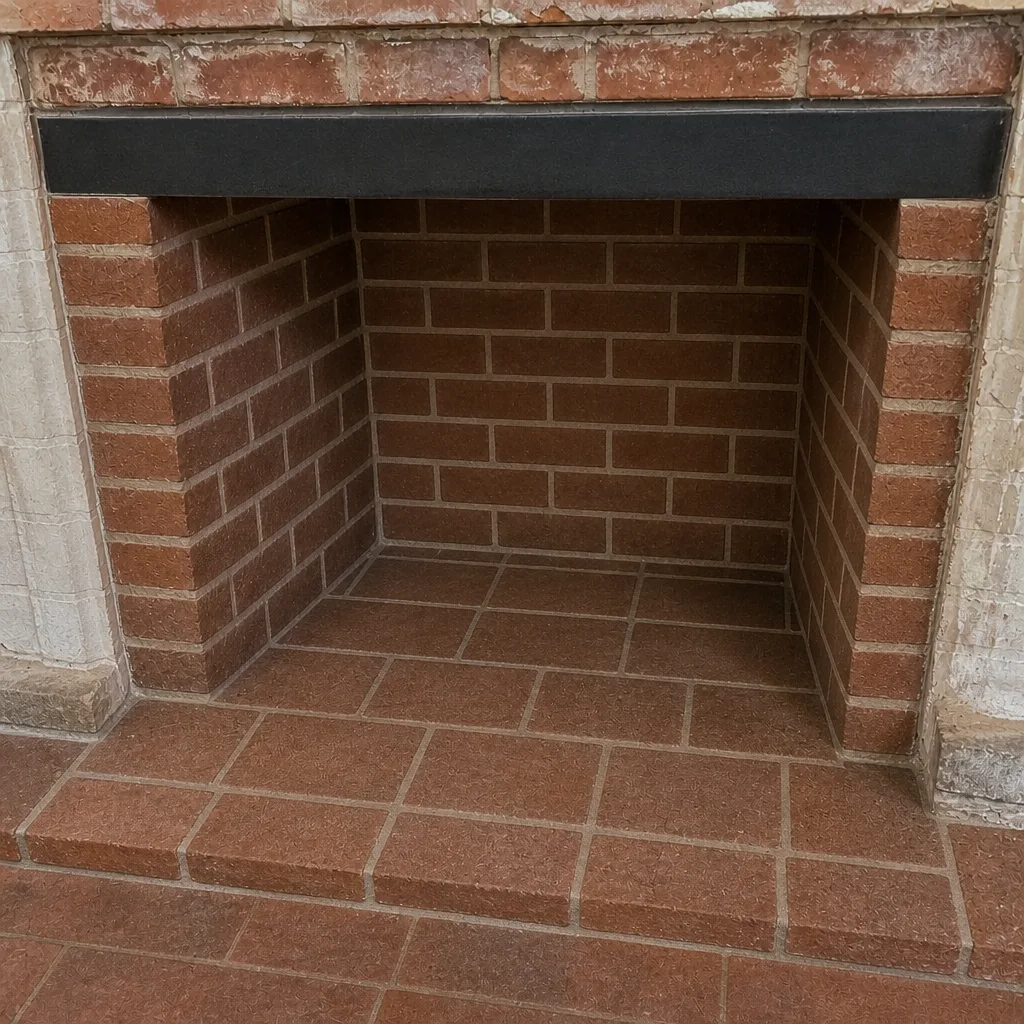
See the difference
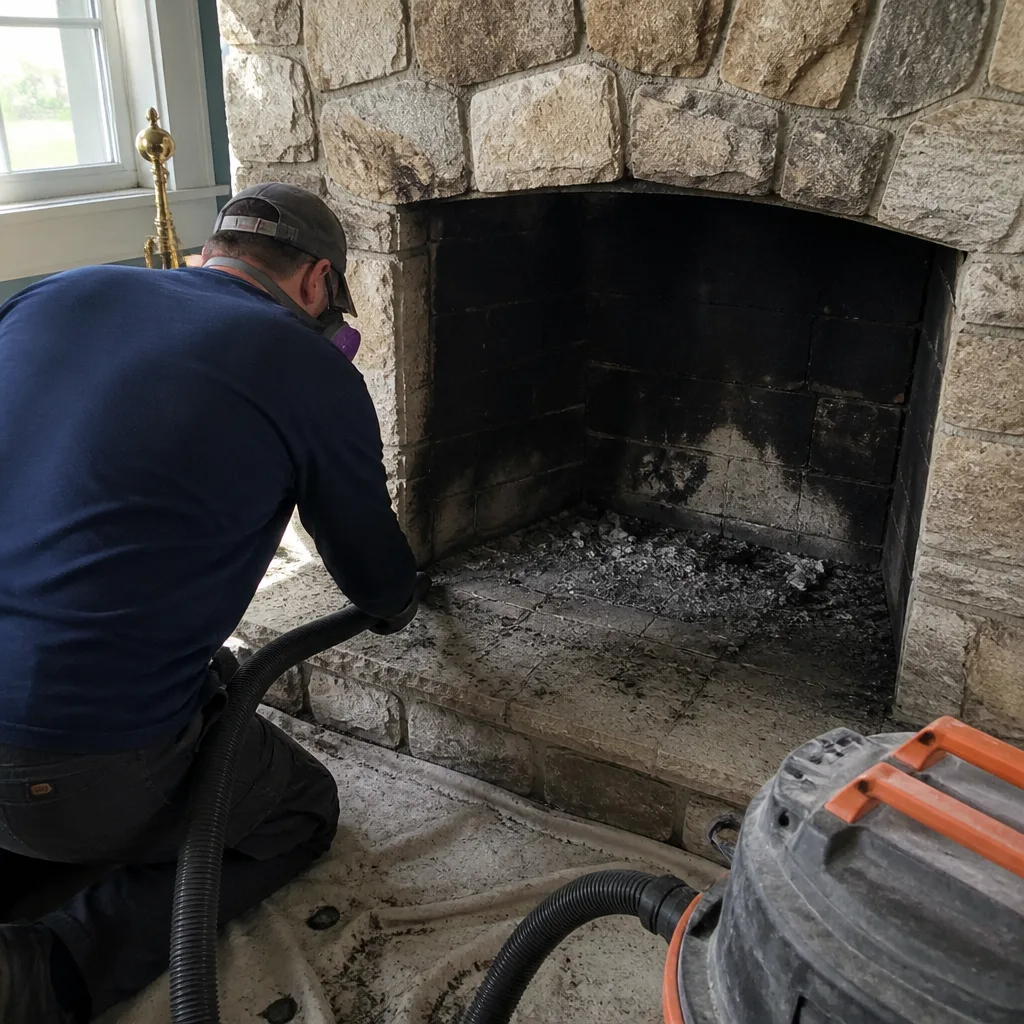 Before
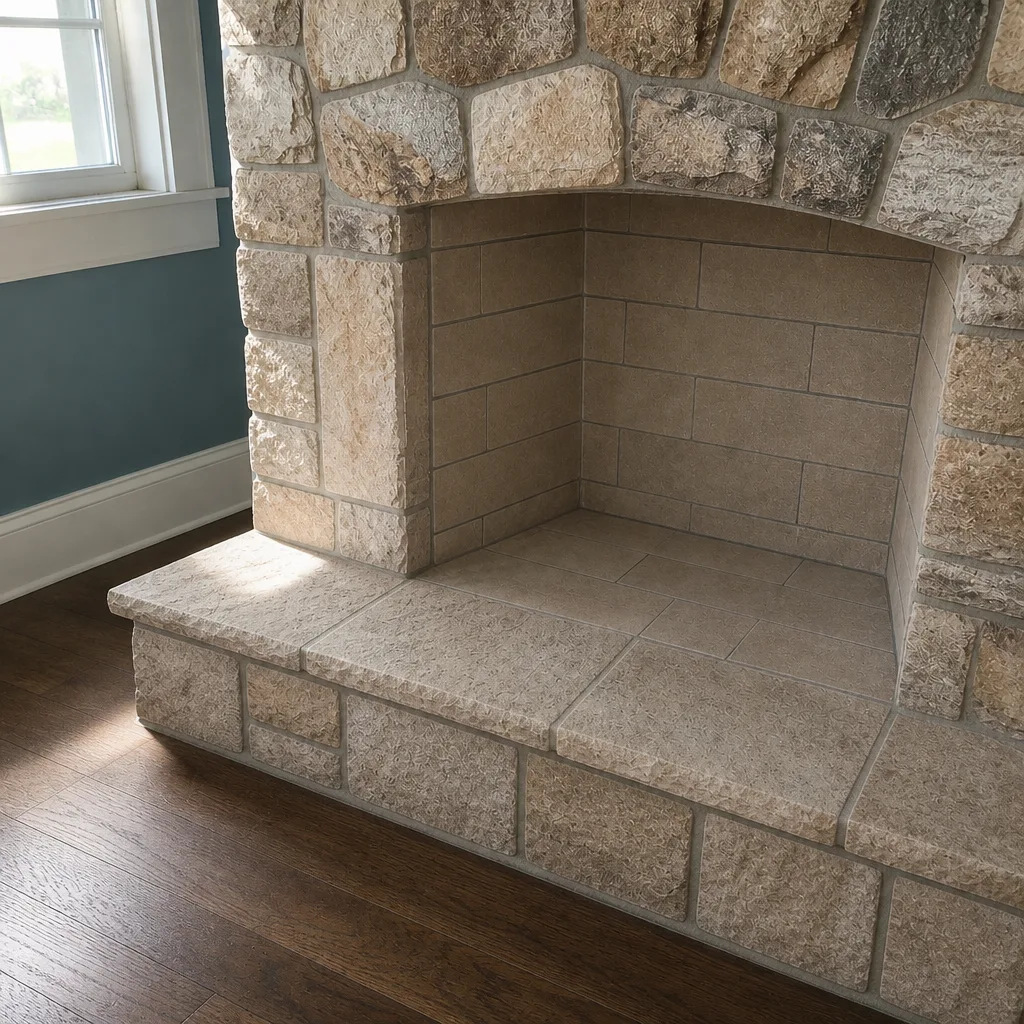 After
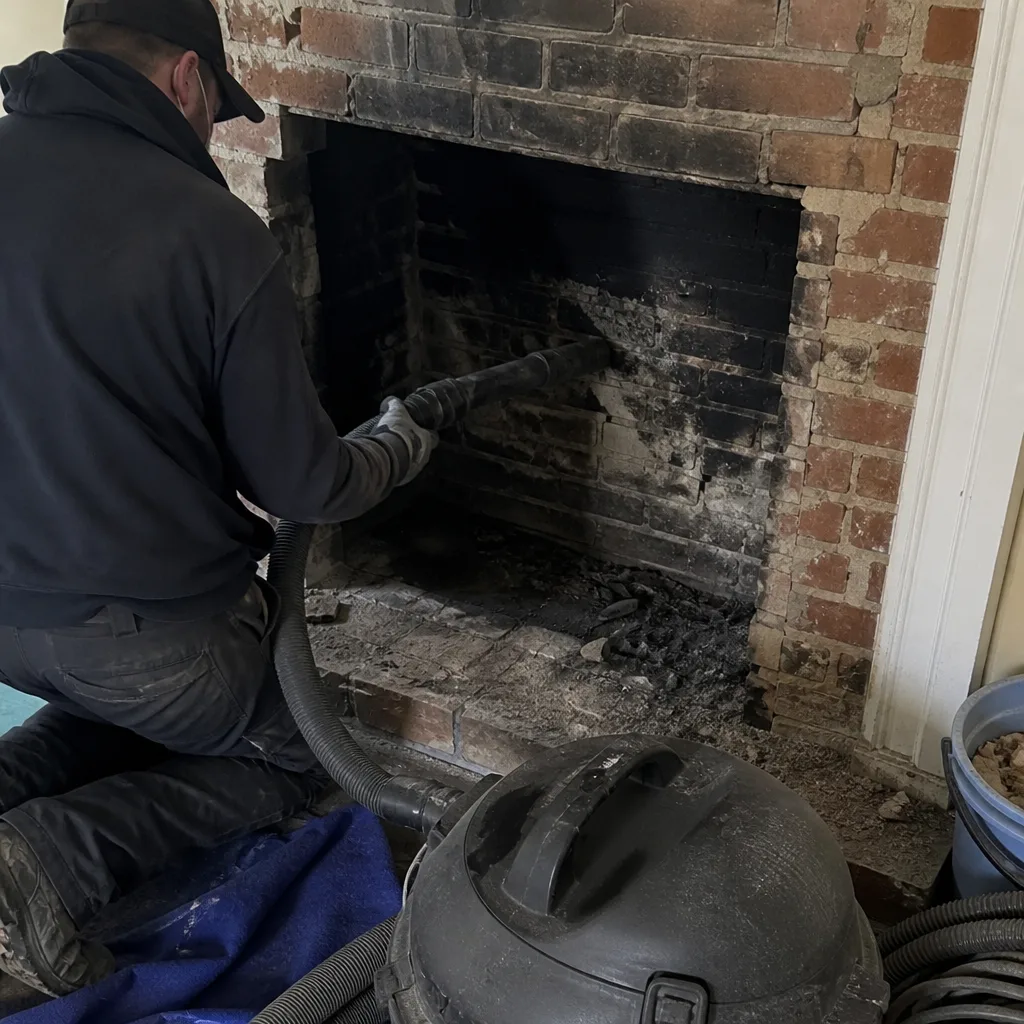 Before
 After
 Before
 After