
Last updated November 25, 2026
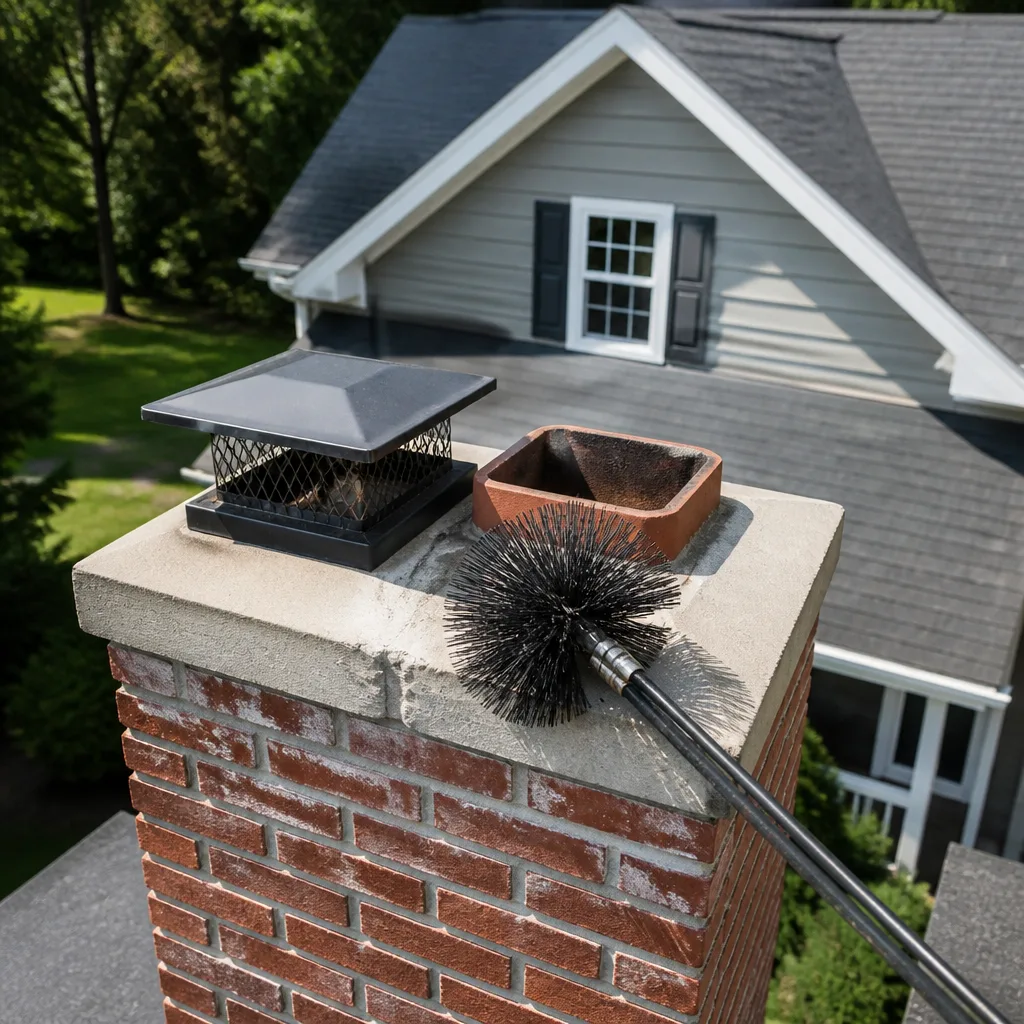 Sweep & inspection
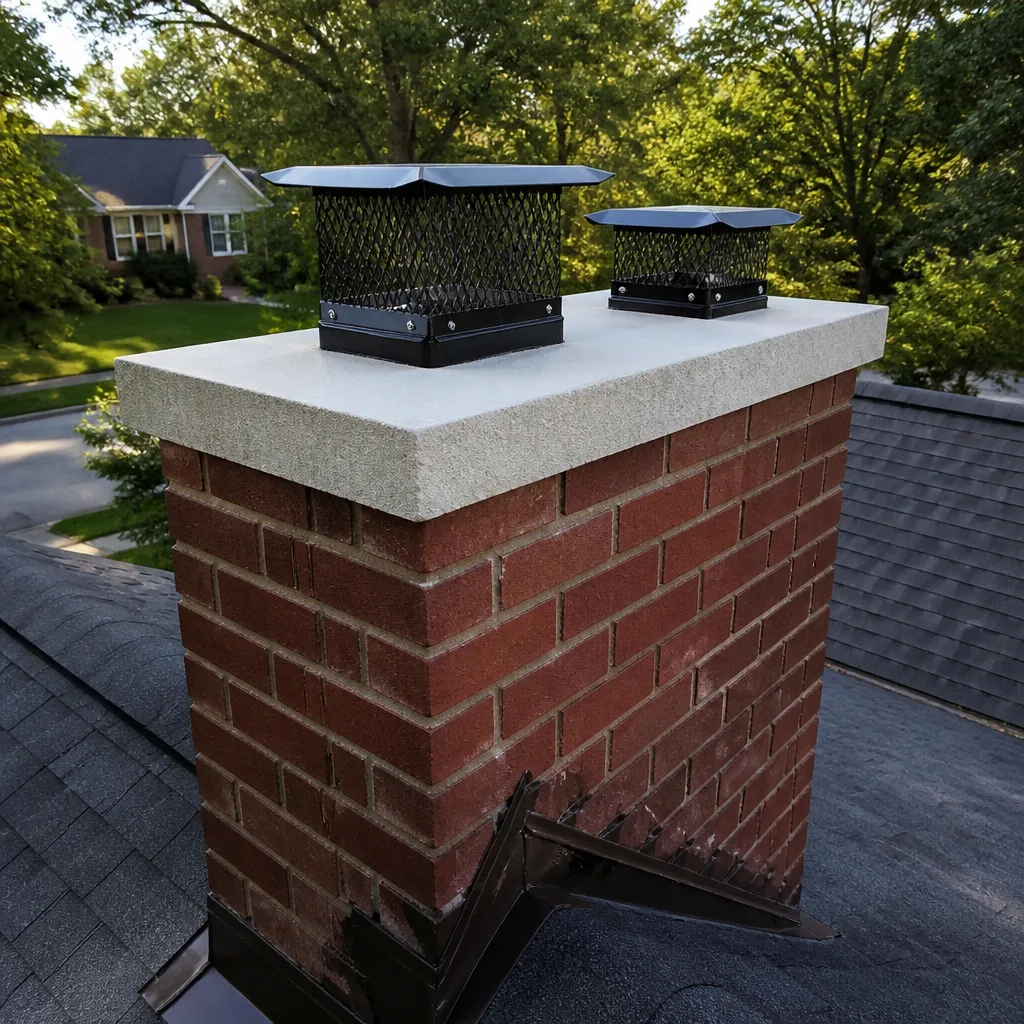 Caps & crowns
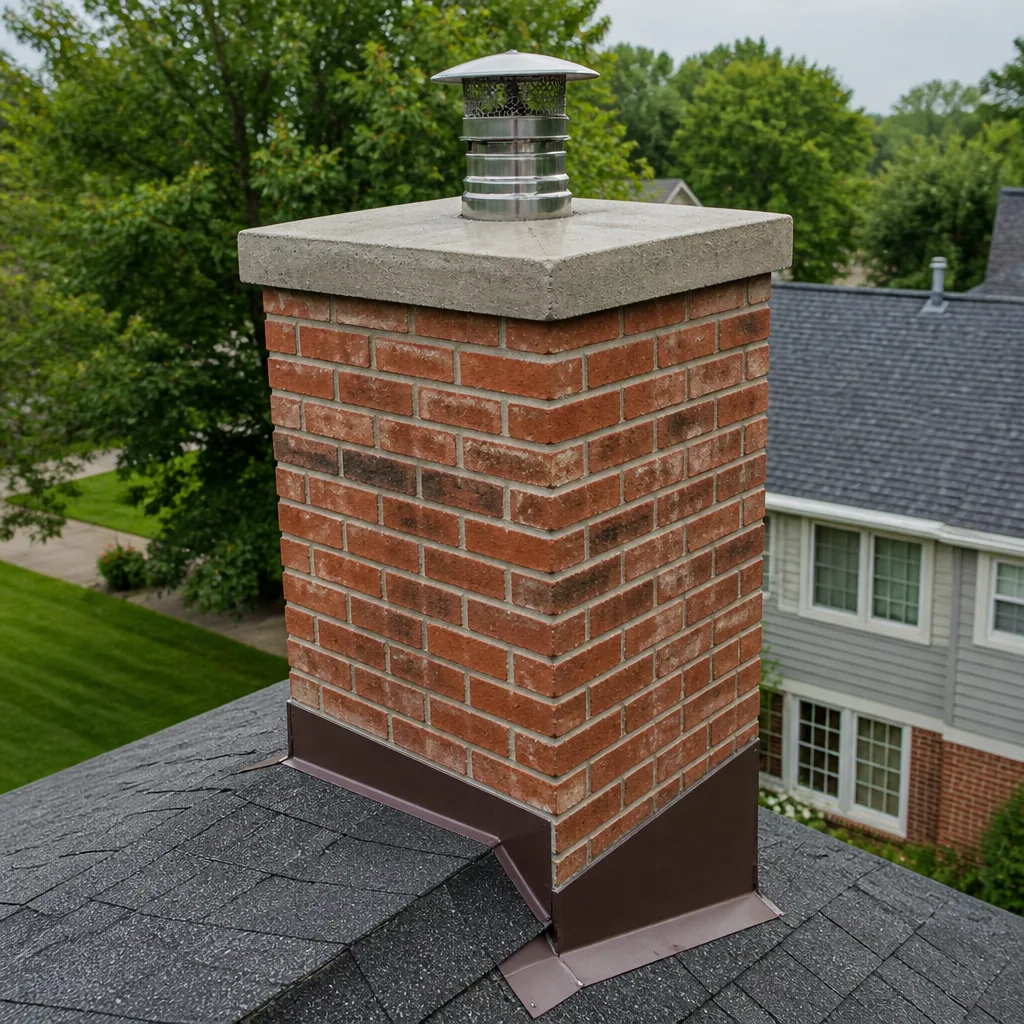 Flue relining
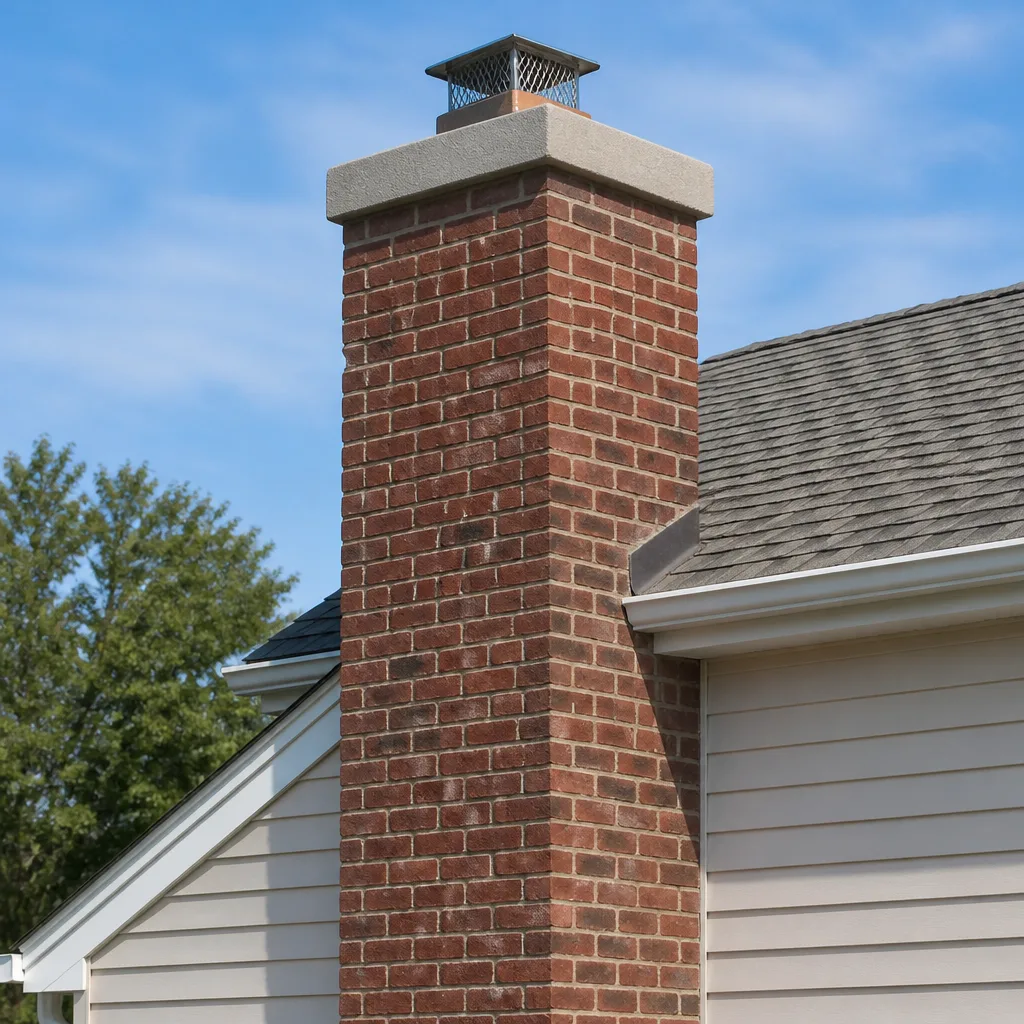 Masonry repair
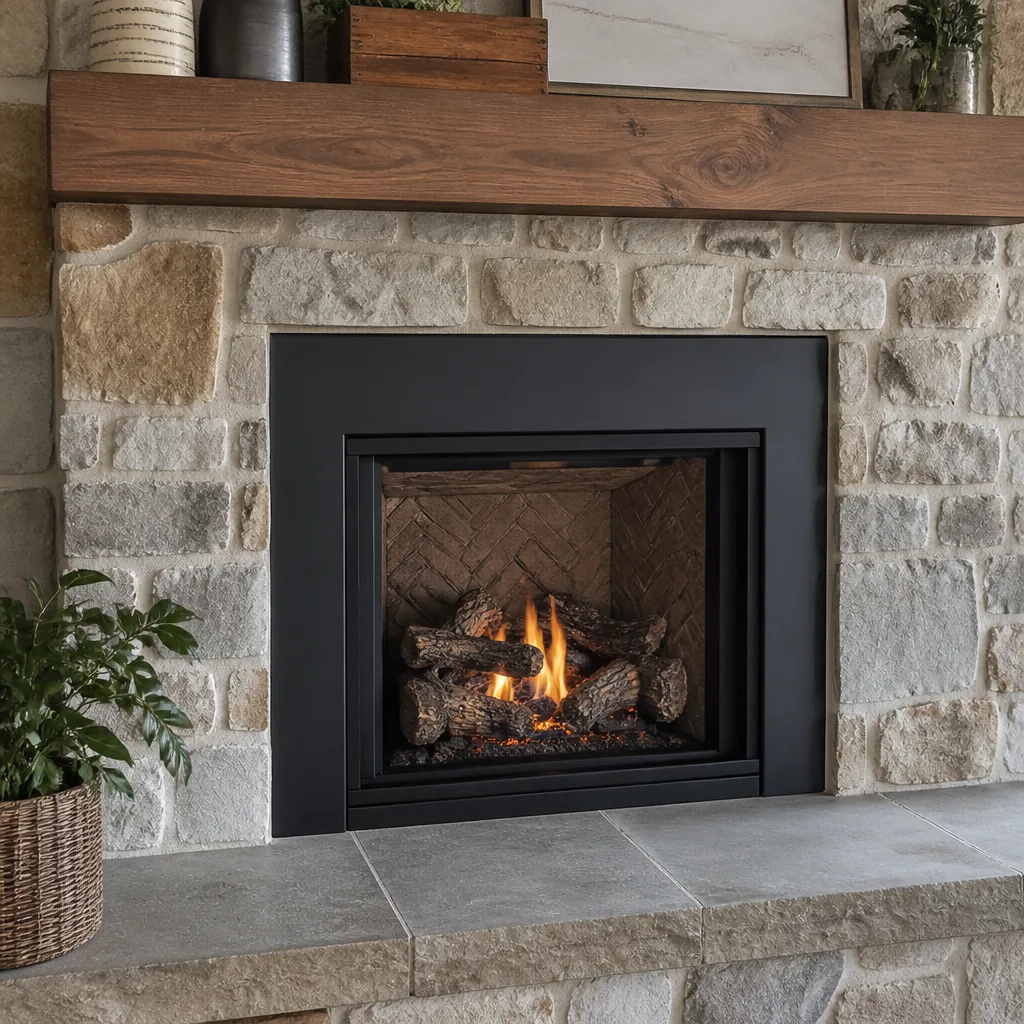 Gas fireplace service
Level 1 sweep and inspection to the NFPA 211 annual standard - flue, crown, cap, and flashing checked and photographed
Chimney sweep logs do not sweep chimneys. They loosen some creosote - which then falls where a brush and vacuum still have to collect it.
Chimney Cleaning Warning Signs: An Upper East Side Homeowner’s Reference Guide
Most people picture a chimney problem as something dramatic: a roaring flue fire, a chunk of masonry on the sidewalk, smoke pouring into a living room. The truth is quieter and more patient. Chimneys rarely fail all at once. They fail in small increments over many heating seasons, and the early evidence is almost always dismissed as cosmetic, seasonal, or “just the way old buildings are.” We’ve walked into Upper East Side apartments where a faint white bloom on the brick had been watched for three winters before anyone called, and where a rusted damper had stopped sealing years earlier. What follows is a reference guide built to change how you read those signals. You’ll learn what each warning sign actually means, the physical mechanism behind it, how urgently it deserves attention, and which signs can safely wait. This is written for Upper East Side homeowners who want to understand their chimney, not just pay someone to look at it.
Quick Answer
The warning signs that matter most are: white efflorescence or dark staining on the exterior masonry, a persistent creosote or damp-ash smell, a fireplace that suddenly drafts poorly or smokes into the room, rust or spalling inside the firebox, and soot appearing on the mantel or breast wall. Any one of these is a reason to book a professional inspection before the next heating season. The earlier a sign is read, the cheaper and simpler the fix almost always is.
Styles & brands we work with
- Sweep & inspection
- Caps & crowns
- Flue relining
- Masonry repair
- Gas fireplace service
Table of Contents
- Efflorescence and Staining: Reading the Outside of the Chimney
- Odor Profiles: What Each Smell Tells You
- Draft Behavior Changes and What They Mean
- Firebox-Visible Signs: Rust, Spalling, and Mortar Recession
- Soot on the Mantel and Breast Wall on the Upper East Side
- Urban Heating Interactions and Misread Signals
- Urgency Tiers: What Can Wait and What Cannot
- Common Mistakes to Avoid
- When to Call a Professional
- Frequently Asked Questions
- The Bottom Line
Efflorescence and Staining: Reading the Outside of the Chimney
A white, chalky bloom running down exterior brick is not cosmetic. It’s efflorescence, and the mechanism behind it is straightforward: water has been entering the masonry, dissolving salts out of the mortar and brick, and then migrating back to the surface as it evaporates. Where the salts dry, they leave crystals. Where the cycle repeats long enough, the same pressure that pushes salt to the surface begins to break down the mortar and brick from the inside. On the Upper East Side, where so many chimney stacks rise above row houses and pre-war co-ops, that same exterior wall faces driving rain and freeze-thaw cycling all winter. Efflorescence is often the first visible symptom of a crown or flashing failure that has been untreated for at least a full season, sometimes longer.
Color and pattern tell you where the water is coming from
- White, powdery bloom near the top of the stack: Almost always points to crown and flashing problems. Water is entering near the top of the chimney and traveling down through the masonry.
- White bloom higher up the wall but below the roofline: Often flashing where the chimney meets the roof, or a failed joint where an adjacent wall meets the stack.
- Dark brown or black staining: More often a sign of either creosote leaching through failed interior flue joints or long-term moisture trapped in the masonry itself. This calls for a camera inspection of the flue lining, not just a look at the exterior.
- Green or gray-green patches: Suggests ongoing, deep moisture. In Upper East Side buildings with visible chimney stacks, this pattern often appears on the north-facing side where drying is slow.
Efflorescence can sometimes be scrubbed off and does not always mean the masonry is already compromised. But a chimney that keeps producing it, season after season, is telling you the water source hasn’t been solved. The right next step is a full inspection that covers the exterior crown and flashing, the interior flue, and the firebox in one visit. We use Famco and Gelco products for cap and crown work precisely because their performance is well-understood: when the crown is rebuilt properly, the efflorescence usually stops. That’s the real fix. Cosmetic cleaning without repair just resets the clock.
Odor Profiles: What Each Smell Tells You
Homeowners often call about a chimney smell without realizing that the type of smell is the diagnostic clue. Three odors come up most often in Upper East Side apartments, and each points to a different underlying problem with a different level of urgency.
Creosote smell: sharp, smoky, tar-like
Creosote is the residue left behind when wood burns incompletely and its gases condense on the cooler upper flue. In small amounts, it’s expected. In larger amounts, it glazes the flue surface, restricts draft, and becomes the fuel source for a chimney fire. If your fireplace smells strongly of creosote when it’s not in use, especially on warm days or when the apartment above you runs its heating, this is a sign that creosote has accumulated above what a routine sweep would normally clear. It’s not an emergency call in the middle of July, but it is a reason to have the flue swept and inspected before the next burn season.
Damp-ash smell: musty, wet, cold-fireplace smell
A damp-ash smell usually points to moisture inside the chimney or firebox. Possible causes: a failed cap, rain entering an uncapped flue, water traveling down a cracked crown, or a fireplace that hasn’t been used in some time drawing humid air up from the basement or an adjacent apartment. Upper East Side pre-war buildings frequently have long chimney runs and cool masonry that stays damp longer than it would in a smaller structure. If the smell is consistent regardless of weather, that’s the chimney telling you to look for the water source.
Sulfur smell: rotten-egg, sharp
A sulfur smell is unusual and deserves attention first, before any other chimney diagnosis. It can come from a blocked or undersized gas appliance flue, a backdrafting flue on a gas-fired heating system, or in rare cases a flue shared between a fireplace and a boiler that has lost draft. If you smell sulfur near a fireplace that shares a chimney with a gas appliance, treat it as a same-day priority: call for an inspection and confirm the appliance’s draft before running it again.
Whatever the smell, the correct first move is the same: a chimney sweep and inspection booked together. Our technicians have up to 10 years of experience reading these odor signals and knowing which are seasonal and which are structural.
Draft Behavior Changes and What They Mean
A fireplace that has worked well for years and suddenly starts smoking into the room is a strong warning sign, and the cause is almost never the fire itself. Draft is the product of a stack of warm air rising through the flue and pulling combustion gases up with it. Change any part of that equation and the fireplace can backdraft. Three causes come up repeatedly on the Upper East Side.
- A blocked or partially blocked flue. This can be a bird nest, a fallen cap component, a dislodged chunk of mortar, or a buildup of glazed creosote near the top. The flue is still tall enough to draft in theory, but the actual pathway for gases is narrowed or shut. This is the most urgent category because combustion gases including carbon monoxide can back up into the living space.
- Negative pressure from new construction nearby. A new taller building next door or a newly renovated apartment upstairs can change how air moves through the building around your chimney. If your fireplace starts smoking after a neighbor’s construction, don’t assume the problem is your chimney alone; draft is a building-level issue as much as a chimney-level one. A full inspection still comes first to rule out a physical restriction in the flue.
- A collapsed or damaged liner section. Clay tile liners and older metal liners can crack or collapse over time, and a section that has fallen away restricts the flue. This is often invisible from inside the firebox, which is why we use a camera inspection and include a photo report with every visit.
If the fireplace starts smoking into the room, stop using it, open a window to establish draft, and call for an inspection. Don’t assume a chimney sweep alone will solve it: the cause may be the liner, the cap, or something outside the chimney itself, and the right first step is a full-system inspection before any work is quoted. A proper cap and crown job using Olympia Chimney components often restores draft when the flue top has been compromised; other cases require liner work. Which one you need is something we’d rather diagnose than guess at.
Firebox-Visible Signs: Rust, Spalling, and Mortar Recession
You can read a lot about a chimney’s health from inside the firebox. Three signs are worth checking every season, and each carries a different urgency level.
Rust on the damper plate
The damper is the metal plate that opens and closes the throat of the fireplace. A little surface rust on an older cast-iron damper is common, especially in a humid apartment building. Rust that has eaten into the plate or caused the damper to stick open or closed is a different matter: it points to sustained moisture inside the firebox, which usually traces back to a failed cap, a cracked crown, or water traveling down the flue. A damper that doesn’t seal properly lets conditioned air escape year-round and makes the fire harder to control. If the rust is advanced, the damper usually gets replaced rather than patched.
Spalling firebrick
Firebrick is the heat-resistant brick lining the inside of the firebox. It’s designed to crack, but spalling, where the face of the brick flakes and recedes, is a sign the brick has been overheated or repeatedly exposed to moisture. Small spalled patches can sometimes be repointed. Larger areas need replacement because the firebox is your primary barrier between the fire and the surrounding building structure. In an Upper East Side co-op or row house, the firebox sits inside a shared masonry structure; compromised firebrick is not something to defer for years.
Mortar joint recession
Look at the mortar joints between the firebrick. A half-inch of fresh, tight mortar is what you want to see. Joints that have receded to a quarter-inch or more, with visible gaps or crumbly material, indicate that the firebox has been taking on moisture or heat beyond its design. Recession deep enough to leave brick edges exposed is a repair-priority sign, because the next step in the progression is often a full firebox rebuild.
There’s a middle option that many Upper East Side homeowners don’t know exists. HeatShield is a ceramic flue resurfacing system that can restore flue integrity where the lining has minor joint gaps or hairline cracks, without a full liner replacement. We’re authorized to apply it, and it’s the right fix for a specific set of conditions: joints intact but mortar eroded, no structural failure, no full section loss. When a flue is beyond HeatShield’s range, we install DuraFlex and Copperfield liners with matched components from the same company, so you’re not left with a warranty gap between a liner and a cap made by different manufacturers.
Soot on the Mantel and Breast Wall on the Upper East Side
Homeowners in Upper East Side apartments and townhouses often notice sooty deposits on the mantel, the breast wall above the firebox, or the ceiling above the fireplace and dismiss them as normal wear. Some soot is expected in any wood-burning fireplace. Rising or accelerating soot is not.
What we look for when soot appears in places it didn’t use to:
- Soot on the front of the mantel and breast wall: Usually a sign that smoke is spilling into the room on lighting or running, indicating a draft problem upstream rather than a soot production problem.
- Soot on the ceiling directly above the fireplace: A more concerning pattern, since it suggests a sustained escape of combustion gases during burns, not just a puff at ignition.
- Soot confined to inside the firebox but heavier than previous seasons: Often a sign of wet wood, restricted draft, or a change in how the fireplace is being used. Not urgent, but worth an inspection before assuming the firebox is fine.
- Dark staining on the wall above the mantel that won’t clean off: Sometimes soot, sometimes moisture staining from a flashing failure at the roofline that has traveled down the interior breast wall. A full inspection distinguishes which.
Soot deposition patterns are one of the most useful signals we see in Upper East Side apartments, precisely because so many fireplaces here share a building’s wall with neighboring flues and neighboring heat. A pattern that changes is worth having someone look at with the right tools, which is why every inspection we do includes camera work and a photo report you can keep. Before we quote, we inspect. If the answer is “nothing to worry about, just old soot,” we will tell you that.
Urban Heating Interactions and Misread Signals
Upper East Side buildings present a set of signals that many homeowners (and some sweep companies) misread because they treat the fireplace as a standalone system rather than as part of a building’s heating architecture.
Radiator steam and forced air confusion
If your apartment is heated by steam radiators or a forced-air system, you may occasionally see what looks like a haze or a musty smell near the fireplace that has nothing to do with the chimney. Steam radiator valves on pre-war buildings frequently release small amounts of humid air; forced-air registers circulate dust and dander. Both can drift toward a cold fireplace (which draws air up the flue even when there’s no fire) and be mistaken for a chimney smell. Before assuming your chimney is producing a smell, close the fireplace damper for a day and see whether the smell persists. If it does, the source is in the room, not the flue.
Neighboring construction and building-level draft
Upper East Side buildings are frequently renovated, and every tall building renovation can alter the airflow around a shared chimney structure. If your fireplace starts drafting poorly or smoking during a neighboring renovation, the cause may be negative pressure at the building level, not a physical obstruction in your flue. Still inspect first: rule out a physical restriction, then investigate the building-level cause if the flue comes back clean.
Cool-masonry behavior in long runs
Older Upper East Side buildings often have long chimney runs through shared masonry, and cool masonry takes longer to warm up. That means draft can be sluggish on the first burn of the season even on a chimney in good condition. If the first burn of the season smokes but everything works fine after the flue warms up, that’s typically temperature, not damage. If the smoke continues after twenty minutes of a well-established fire, treat it as a warning sign.
Every one of these calls comes down to the same first move: a full inspection before any work is recommended. Our chimney repair work is only quoted once we’ve confirmed the actual cause. Chimney work you won’t have to redo starts with diagnosing the right problem, not applying a familiar fix.
Urgency Tiers: What Can Wait and What Cannot
Homeowners hesitate on chimney work partly because no one has told them which signs are truly urgent and which are not. Here’s how we sort them.
Same-day priority (stop using the fireplace)
- Fireplace suddenly smoking into the room and continuing to do so after twenty minutes of an established fire
- Sulfur smell near the fireplace, especially if the chimney is shared with a gas appliance
- Visible flame or sparks escaping the firebox area (indicating a firebox breach, not a normal fire)
- Smoke or soot on the ceiling above the fireplace
- Damper or firebox door that won’t seal or close after a fire
Next-season priority (book before cool weather)
- Efflorescence appearing on exterior brick for the first time
- Persistent creosote smell in the summer months
- Rust advancing on the damper plate
- Spalling or opening mortar joints on firebrick
- Increased soot inside the firebox compared to previous seasons
Low urgency (monitor and plan)
- A light bloom of efflorescence during a very wet season, otherwise unchanged
- First-burn-only draft sluggishness that resolves once the flue warms
- Cosmetic staining on the exterior that doesn’t grow year over year
None of these tiers is a substitute for an inspection. They’re a starting point to help you decide how quickly to book. We would rather see a chimney in the low-urgency tier once and confirm it’s fine than have a homeowner wait on a sign that’s already pointing to structural water damage.
Common Mistakes to Avoid
- Treating efflorescence as cosmetic. Scrubbing the white bloom off the brick without fixing the crown or flashing just resets the clock. It will come back by the next wet season on an Upper East Side stone or brick stack. The right move is a full inspection that includes the top of the stack, the flashing, and the flue.
- Assuming a fireplace that always smoked is “just how it is in this building.” A chimney that hasn’t drafted well has not been inspected. On the Upper East Side, plenty of pre-war chimneys have liner sections that failed decades ago and have never been checked because the fire “seemed to work.” That’s not the same as working safely.
- Skipping inspection because the sweep will clean it anyway. Cleaning removes creosote; it doesn’t tell you whether the liner is cracked, the crown is failing, or the damper is compromised. We schedule the two together for a reason: before we sweep, we look; before we quote, we inspect.
- Calling a general handyman for damage you can see from the street. Chimney work needs someone who knows the specific product line for the specific problem. A cracked crown isn’t the same repair as a collapsed clay tile. Diagnostic specialization matters.
- Waiting for a chimney fire to call. By the time a chimney fire is a chimney fire, damage is done and the cost of repair is much higher. Warning signs are useful because they arrive before the fire, not alongside it.
- Ignoring draft changes that begin after nearby construction. If the neighbors added a taller building and your fireplace stopped working, the change is real; it’s not a coincidence. Inspect first to rule out a physical obstruction, then talk through building-level causes if the flue is clean.
- Assuming soot on the mantel is normal. Some soot is normal. Rising soot in the same fireplace that used to be clean is not, and the pattern often changes faster than a homeowner realizes. Photograph the mantel and ceiling at the start of the season and compare it at the end.
When to Call a Professional
Call a professional when any of the following apply: the fireplace suddenly starts smoking into the room and stays that way; you smell sulfur near a fireplace sharing a chimney with a gas appliance; you see soot on the ceiling above the fireplace or on the mantel where there wasn’t any before; exterior brick shows a new or expanding white bloom; the firebox shows spalling firebrick, rusted damper plate, or receding mortar joints; you notice a persistent creosote or damp-ash smell through the warmer months. Any one of these is a reason to book an inspection before the next heating season. Chimney Sweep Upper East Side offers free estimates in Upper East Side: call (877) 492-4134. We answer 24/7. Fast dispatch from 7am to 7pm, Sunday through Friday. A call outside dispatch hours is booked into the next opening, Sunday through Friday, 7am to 7pm. We’d rather you called with a small sign than waited for a bigger one.
Frequently Asked Questions
The most common are exterior efflorescence on the brick, a persistent creosote or damp-ash smell, and a fireplace whose draft has changed. Soot on the mantel or breast wall is also common in Upper East Side apartments. Each of these points to a specific underlying issue that a professional inspection can confirm. If you’re seeing any of them, call (877) 492-4134 for an exact quote. Estimates are free.
No. A sudden change in draft is a reason to stop using the fireplace and book an inspection, but the cause is not always a blocked flue. It can be negative pressure from neighboring construction, a collapsed liner section, or a change in how your building’s heating system is running. A camera inspection rules out the physical causes first, and then we investigate building-level causes if the flue comes back clean.
Efflorescence is a white, powdery bloom of salts that have migrated to the surface as water evaporates out of the masonry. The presence of that bloom means water is entering the chimney somewhere, dissolving salts from the mortar and brick, and then drying back out. On Upper East Side stacks, the source is usually a failed crown or flashing. If the efflorescence keeps appearing, the source hasn’t been fixed and the masonry will continue to degrade.
You can clean it off, but it will return if the water source hasn’t been addressed. Cleaning without repairing the crown or flashing just resets the clock for another season. The right approach is a full inspection of the top of the stack, the flashing, and the flue. When the crown is rebuilt using a matched product like Famco or Gelco, the efflorescence usually stops recurring. That’s the fix, not the scrubbing.
A creosote smell is sharp and tar-like, and it points to glazed creosote buildup inside the flue. A damp-ash smell is musty and wet, and it points to moisture entering the chimney or firebox, usually from a failed cap or cracked crown. Both are reasons to book a sweep and inspection before the next burn season, but the underlying fix is different for each.
Act before the next heating season. A new or accelerating soot pattern on the mantel or ceiling above the fireplace is a sign that smoke is escaping during burns. That’s a warning sign that deserves a camera inspection before the next fire, not a same-day emergency unless it’s happening right now and persists. Call (877) 492-4134 for an exact quote. Estimates are free, and we’ll tell you plainly whether the pattern needs repair work or just a sweep.
The Bottom Line
Chimney warning signs are quiet by design. White efflorescence, a new soot pattern, a subtle creosote or damp-ash smell, a firebox that suddenly drafts poorly, spalling firebrick, or a rusted damper on an Upper East Side fireplace are all information, not noise. Read together, they tell you which problems are cosmetic and which are structural, and they tell you which ones can safely wait for the next scheduled visit. Read early, the fix is usually cheap; read late, the fix is often the whole chimney. Before we sweep, we look. Before we quote, we inspect. That process is why we use matched components from product lines like DuraFlex, Copperfield, Olympia Chimney, and HeatShield rather than mixing whatever is available. If you’ve noticed any sign in this guide and you want it checked before the season changes, a chimney cap & crown inspection alongside a full sweep is the right first step. The full lifecycle of your chimney (clean, inspect, cap, crown, liner, firebox) is what we do. It’s the only thing we do.
Call (877) 492-4134 for a free estimate. We answer 24/7. Fast dispatch from 7am to 7pm, Sunday through Friday. A call outside dispatch hours is booked into the next opening, Sunday through Friday, 7am to 7pm. To learn more about how we work, start with Chimney Sweep Upper East Side and we’ll take it from there.
Written by the team at Chimney Sweep Upper East Side.
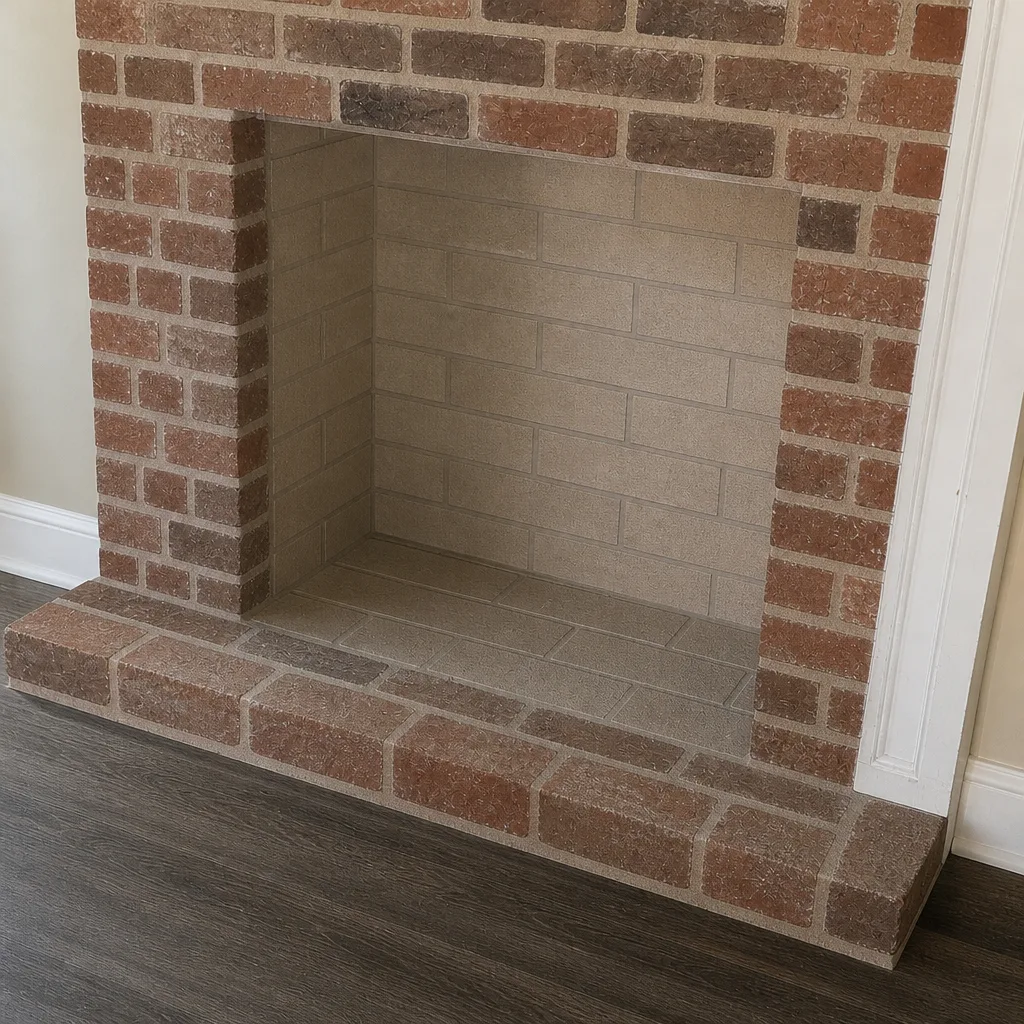
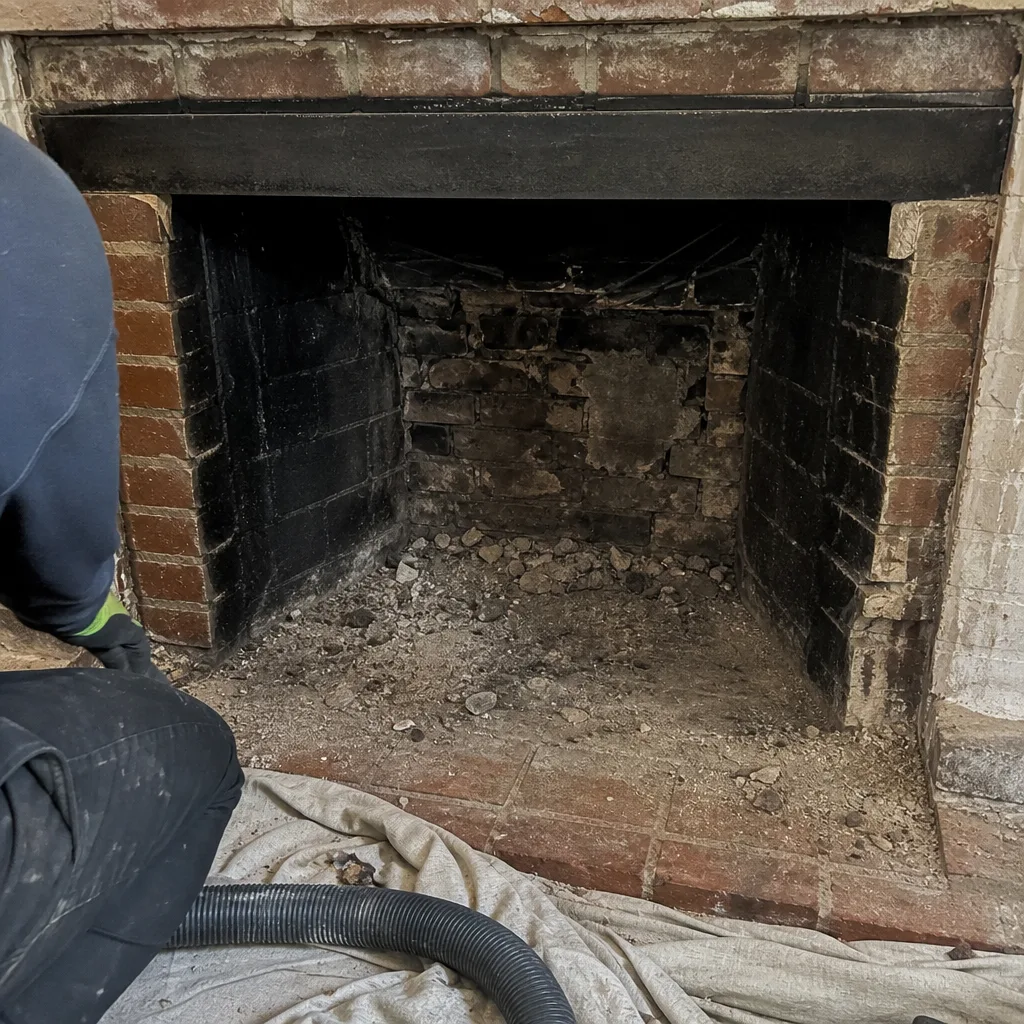
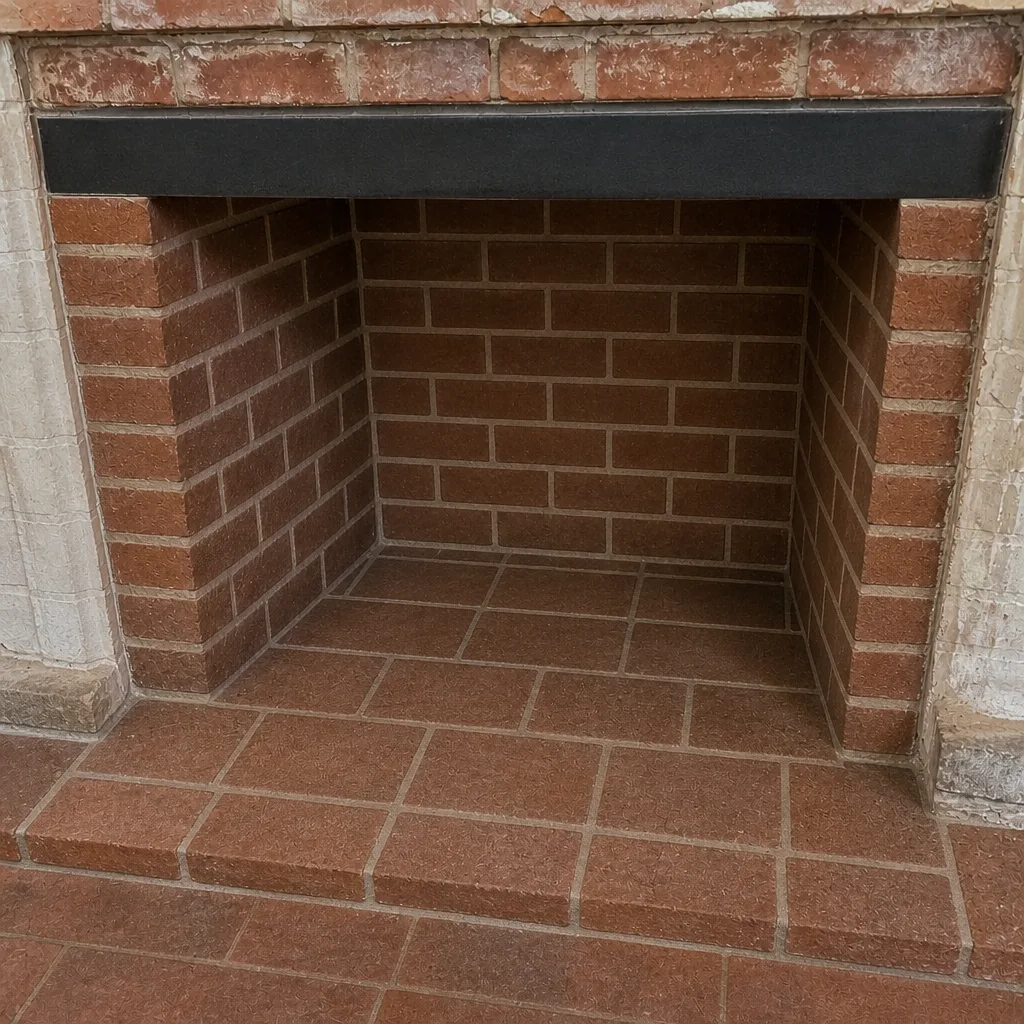
See the difference
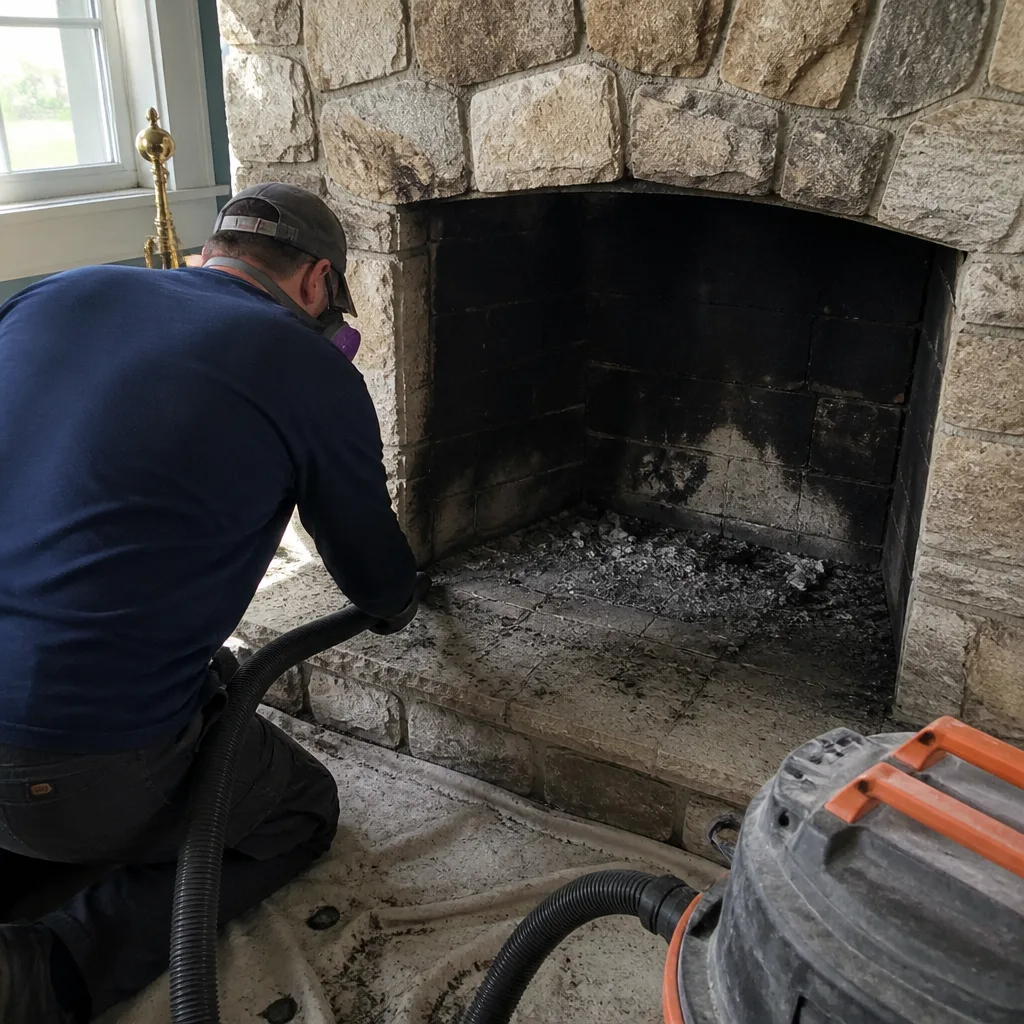 Before
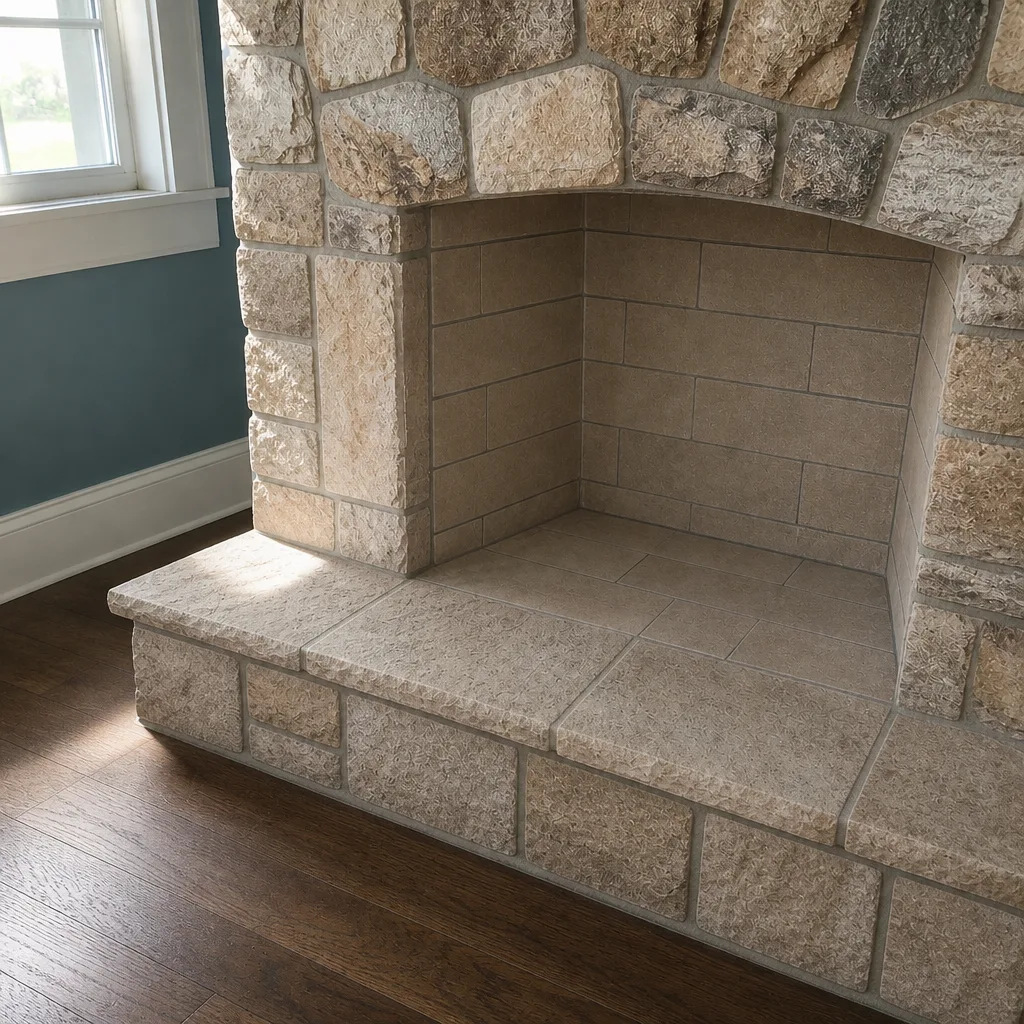 After
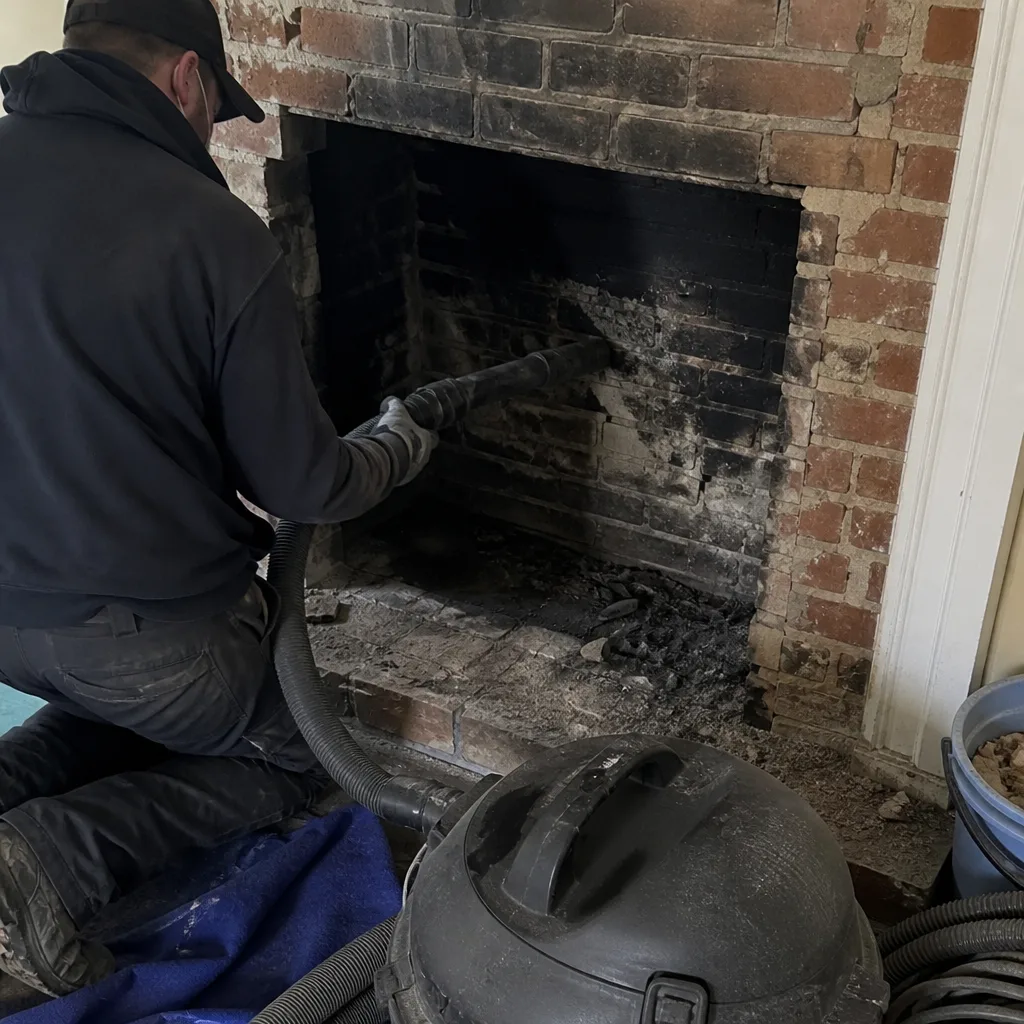 Before
 After
 Before
 After