
Last updated November 25, 2026
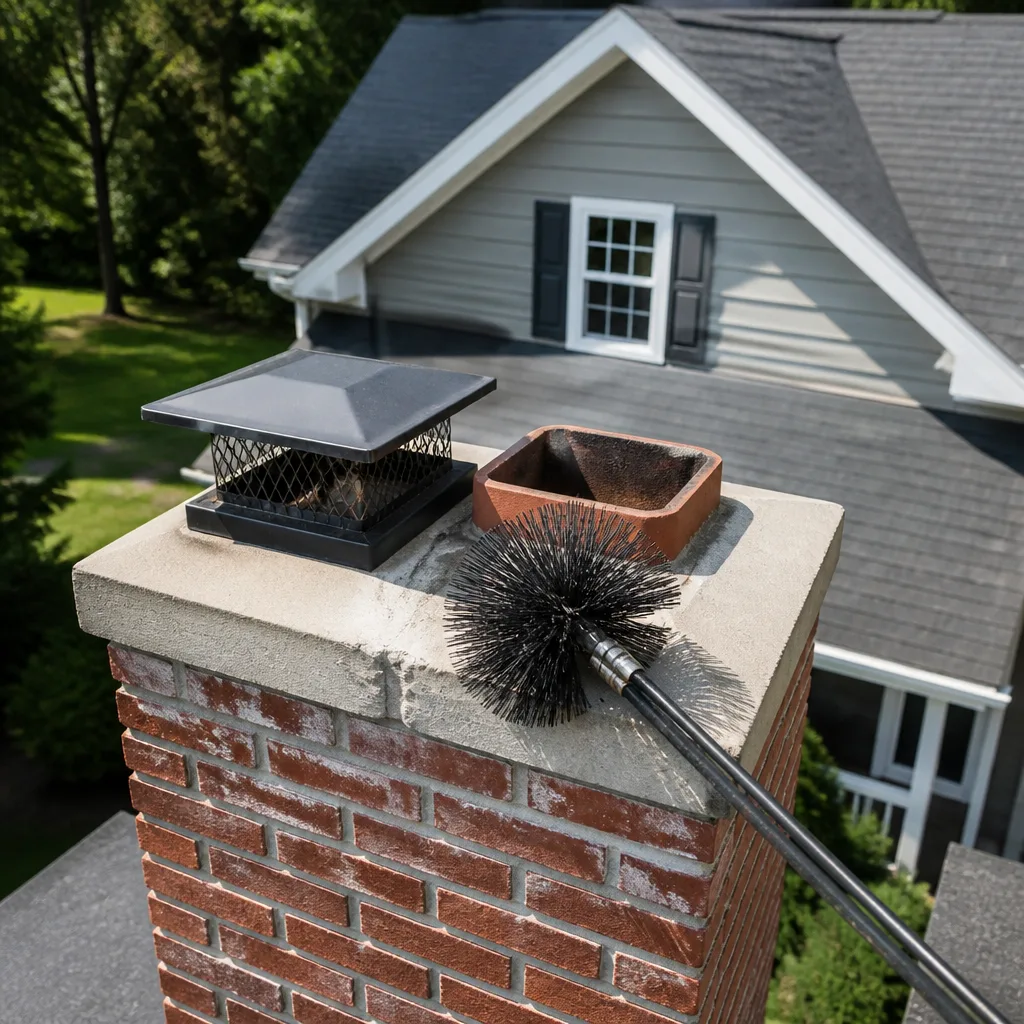 Sweep & inspection
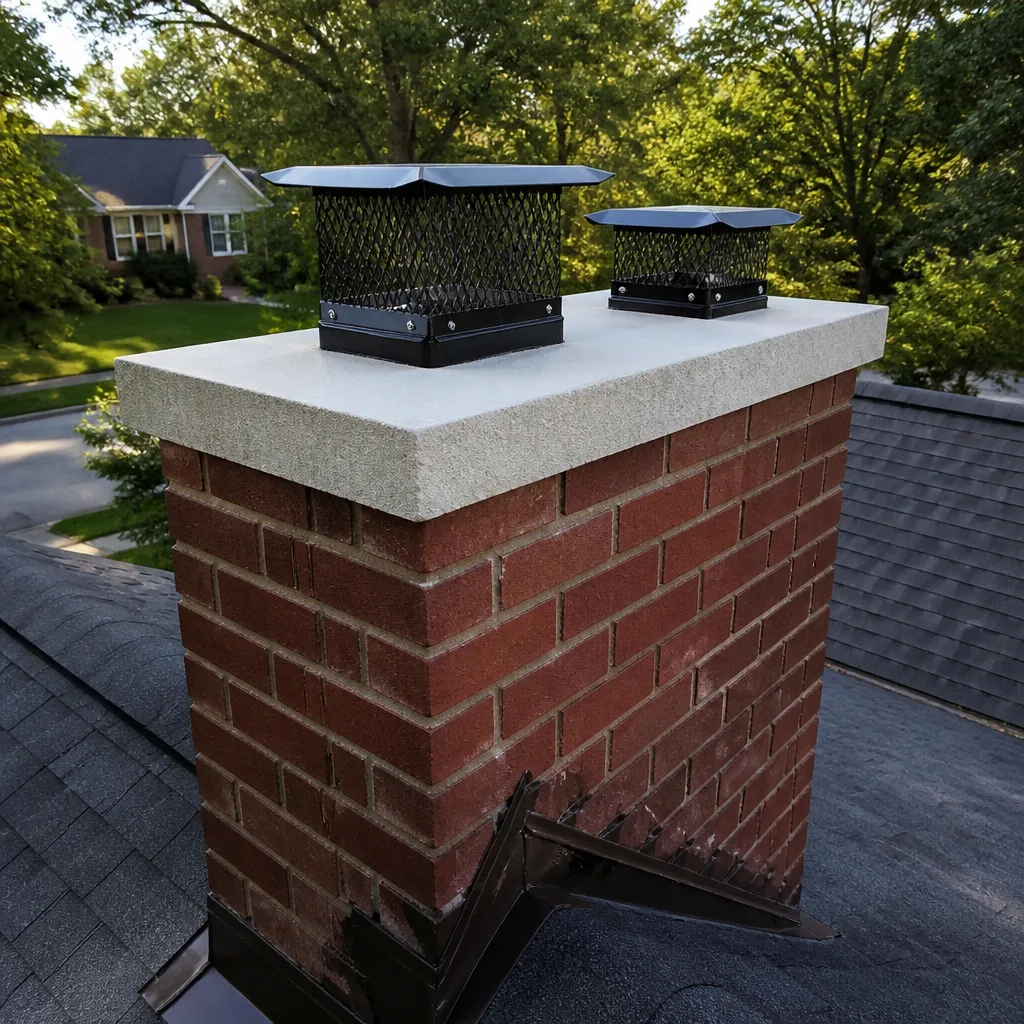 Caps & crowns
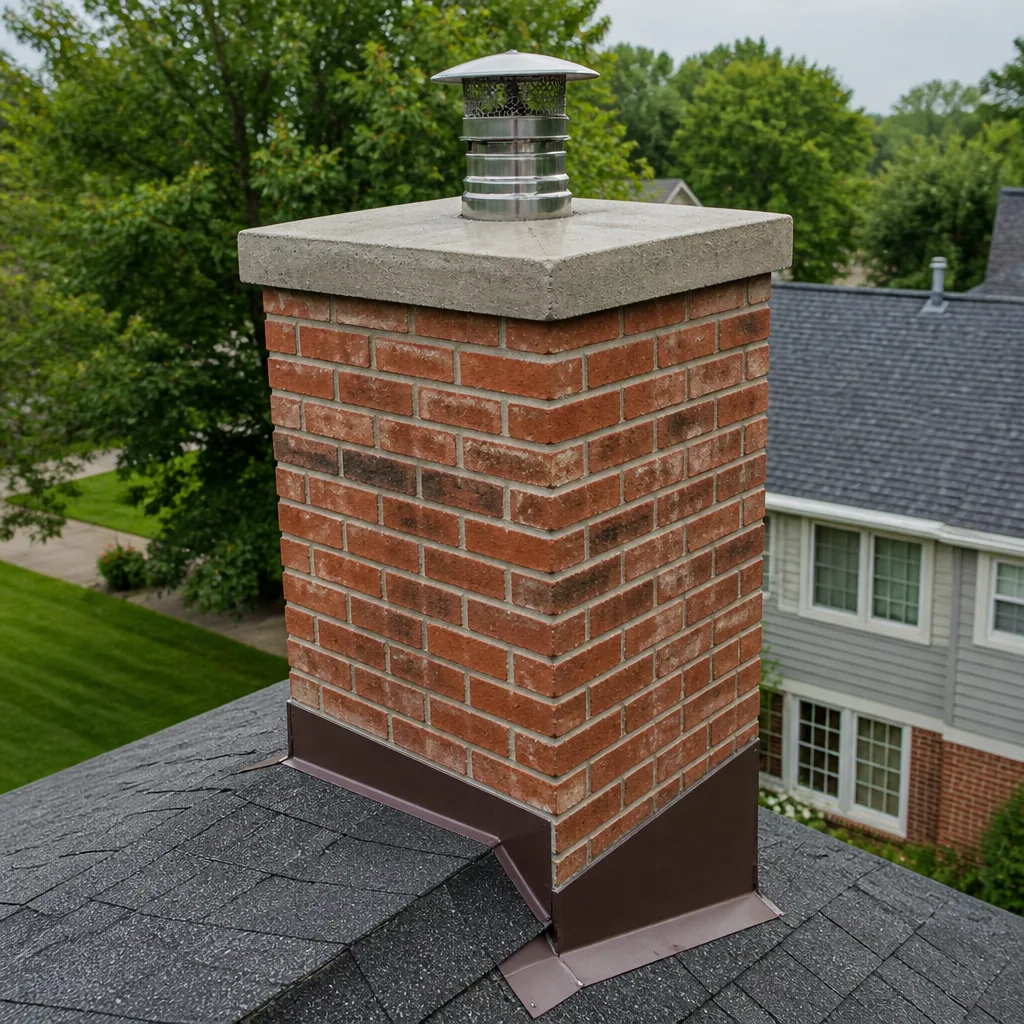 Flue relining
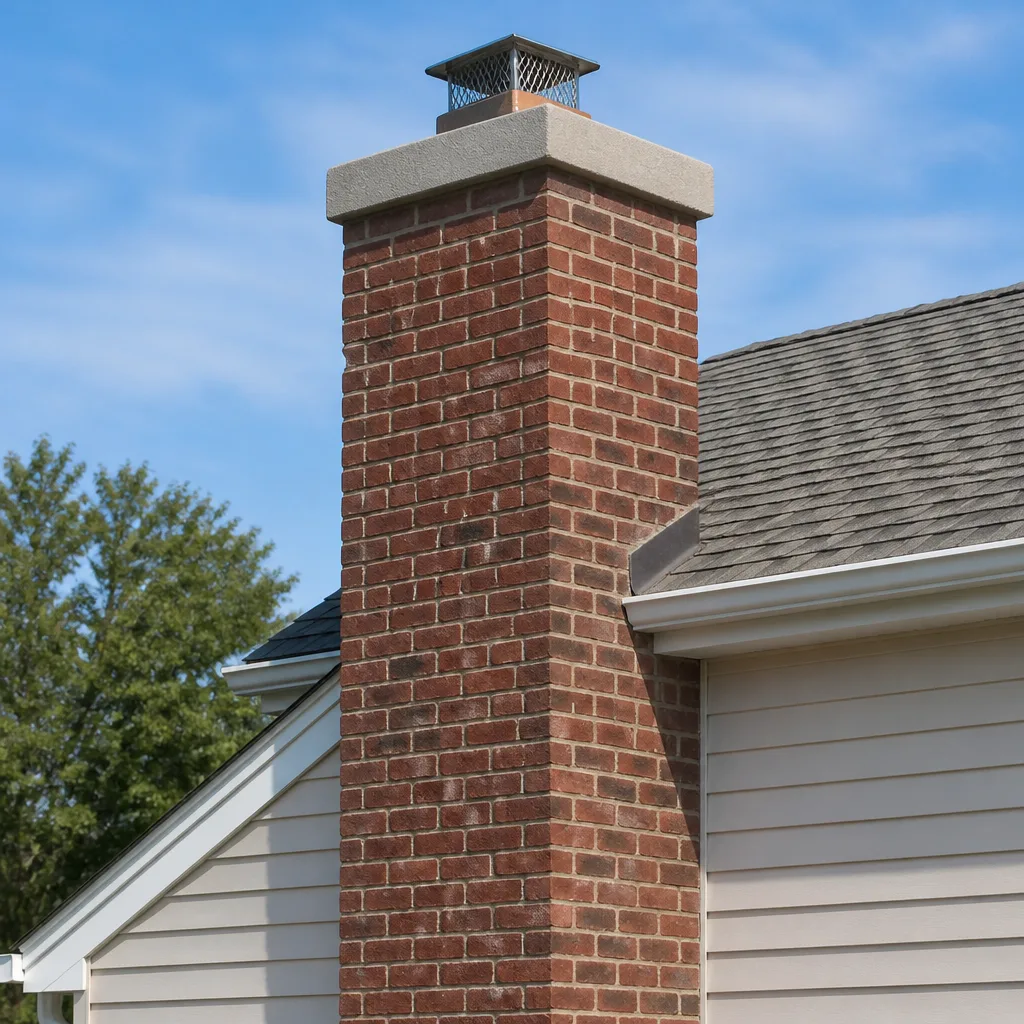 Masonry repair
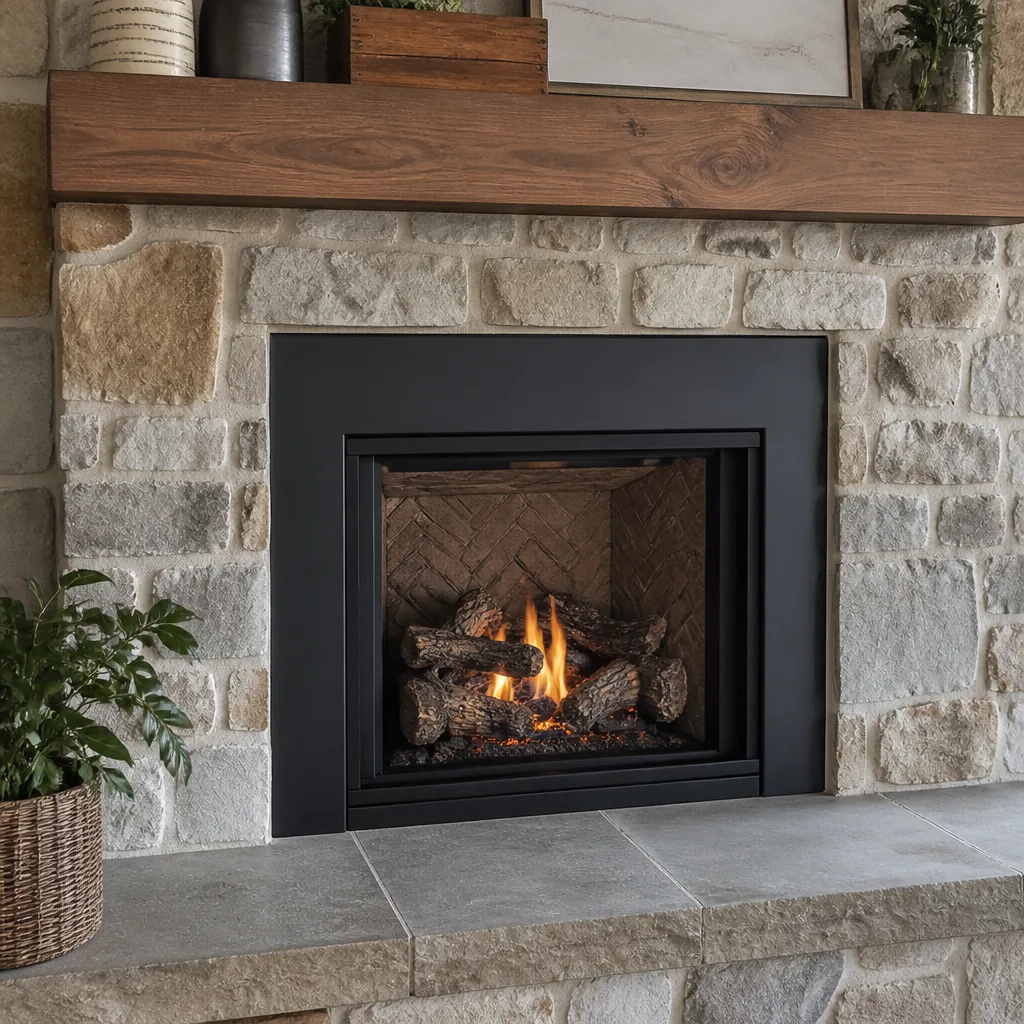 Gas fireplace service
Level 1 sweep and inspection to the NFPA 211 annual standard - flue, crown, cap, and flashing checked and photographed
Chimney sweep logs do not sweep chimneys. They loosen some creosote - which then falls where a brush and vacuum still have to collect it.
Chimney Sweep Maintenance Checklist for Upper East Side Homeowners
Checking your chimney “once a year” is advice designed for a hypothetical average homeowner. If you burned forty fires last winter, or you switched from gas logs to wood partway through the season, that interval means nothing for your flue. The right maintenance schedule is tied to how you actually use the fireplace, what you see inside the firebox, and what happens to the rooftop after a hard wind. A checklist built around use patterns and visible conditions beats a calendar reminder every time. This guide walks Upper East Side homeowners through the triggers that matter, the checks you can safely do yourself, what to document between visits, and how co-op and condo routine changes the picture.
Quick Answer
A chimney maintenance checklist for an Upper East Side home should key off use, not the calendar: get a professional inspection and sweep after roughly a cord of wood burned, or annually if you burn less, and schedule an interim cleaning sooner if you notice heavy soot, smoke staining, or draft problems. After any high-wind event, check your cap, crown, and flashing from the roof edge or with binoculars from the street. Gas-log and wood-burning fireplaces need different attention, and shared flues in co-op and condo buildings need building management involved before any work begins.
Styles & brands we work with
- Sweep & inspection
- Caps & crowns
- Flue relining
- Masonry repair
- Gas fireplace service
Table of Contents
- Why “Once a Year” Isn’t a Real Schedule
- Use-Based Triggers: When to Actually Schedule a Cleaning
- Visual Checks You Can Do Safely From the Firebox
- What to Document Between Professional Visits
- Co-op and Condo Checklist Items
- Post-Storm Inspection After High-Wind Events
- Gas Logs, Wood, and Mixed-Use Fireplaces
- What a Professional Inspection Actually Covers
Why “Once a Year” Isn’t a Real Schedule
The annual cleaning is a decent default for someone who burns a fire a few nights a week in January and February. It falls apart for everyone else. Upper East Side homeowners live in buildings where fireplaces run intermittently, are often decorative, and sometimes get used in intense bursts: a long holiday stretch, a cold snap, a week of entertaining. A flue that sat cold for two seasons and then ran hard for a month accumulates different deposits than one that burns steadily at low output. The calendar can’t tell you which situation you’re in. The condition of the flue can.
We’re not against a yearly inspection. Far from it. What we push back on is the assumption that the annual visit is the whole plan. A real maintenance schedule has two layers: a fixed yearly inspection to catch structural problems and a flexible cleaning trigger tied to how much fuel you’ve actually burned. That second layer is what most generic chimney advice skips entirely, and it’s the one that matters more in a building where fireplace use is irregular.
Manhattan’s building stock adds a wrinkle. Many Upper East Side fireplaces were built for solid fuel, then converted to gas, then sometimes converted back. Each change leaves behind remnants: a gas line, a damper that was modified, a firebox that was relined. The age and history of the fireplace in your apartment have more to do with what it needs than the date on the calendar does. A chimney sweep Upper East Side appointment that starts with a careful inspection before any brushing is the way to sort that out.
Use-Based Triggers: When to Actually Schedule a Cleaning
A well-maintained flue burning seasoned hardwood needs cleaning after roughly one cord of wood, which for a part-time fireplace user works out to about a season’s worth. If you burn more than that, you’re past the annual window and should schedule an interim cleaning. If you burn less, the annual inspection still applies, but the brush may not need to come out every time.
Here are the use-based triggers we actually watch for in Upper East Side apartments and townhouses:
- One cord of wood burned. A full cord is 128 cubic feet stacked. Most apartment fireplaces burn a fraction of that, but if you’re feeding a townhouse fireplace regularly, count what you’ve gone through and treat a cord as the cleaning signal.
- Heavy smoke backing into the room. Draft problems can be seasonal (cold flue, warm day) or structural (blocked or damaged flue). If it repeats, it’s a signal to inspect, not just crack a window.
- Visible soot buildup on the firebox walls beyond a thin haze. A light film is normal. Thick, flaky soot or creosote glaze is a cleaning signal.
- A change in the smell. A wood fireplace has a charred smell when cold. If it starts to smell like a tar or asphalt odor even when unused, that’s unburned creosote talking. Time for a professional look.
- A switch in fuel type. Moving from gas logs to wood, or the reverse, changes the whole maintenance picture. Schedule an inspection at the transition.
- New-to-you home. If you’ve just moved into an Upper East Side apartment with a fireplace you haven’t used, get it inspected before the first fire, no matter what the previous owner said.
If any of these fire, book the inspection. The chimney sweep visit should start with a look, not a brush: before we sweep, we look. Before we quote, we inspect. That order protects you from paying for a cleaning you didn’t need and from missing a repair the brush would have concealed.
Visual Checks You Can Do Safely From the Firebox
You don’t need to climb anything to get useful information. The firebox and the first few feet of flue, viewed from the hearth, tell you a lot if you know what to look for. These are checks you can do yourself when the fireplace is cold and has been unused for at least a day.
- Look at the smoke staining pattern. Shine a flashlight up into the firebox and along the smoke chamber. Staining that’s uniform and light is normal. Staining that’s heavy on one side, or streaks coming out past the damper, tells you smoke is escaping where it shouldn’t. That points to a draft issue, a damper that doesn’t close flush, or a crack in the smoke chamber.
- Check for efflorescence on brick. A white, chalky bloom on firebrick is efflorescence, and it usually means water has been moving through the masonry. In a Manhattan building, that’s a flashing or crown issue up top. It’s a reason to schedule an inspection, not a reason to panic.
- Inspect the damper plate. Open and close it. It should move smoothly through its full range and seat flush when closed. A damper that sticks, is warped, or won’t seal lets heated air out of your apartment and cold air in. If the plate is rusted through, it needs attention.
- Look for cracks in the firebrick joints. Hairline cracks in the mortar between firebricks are common and often harmless. Cracks wider than a coin edge, or displaced bricks, need a professional assessment.
- Check the ash pit. If your fireplace has one, look for rust-through in the metal door. A rusted-out ash pit door is a draft and safety issue.
Leave anything above the damper, anything on the roof, and anything involving the flue lining to a professional. The reason is simple: the tools to look, and the knowledge to know what you’re seeing, are not things a homeowner should improvise.
What to Document Between Professional Visits
The gap between professional visits is where most homeowners lose useful information. A chimney problem often develops slowly, and by the time you call someone, the specific detail that would have pointed to the cause is forgotten. Keeping a simple log closes that gap. It doesn’t need to be elaborate; a note on your phone works.
Record these four things between visits:
- Odor changes. Note if the smell when cold turns tarry, ashy, or chemical. Creosote glaze smells different from ordinary soot, and a strong creosote smell is a heads-up for your next inspection.
- Draft inconsistencies. Note the weather and time when smoke backs up or the fire struggles to draw. Colds, warm days, and windy days all produce different draft behavior. That pattern tells a professional whether the problem is the flue or the building’s pressure, and it’s the kind of clue we can act on.
- Debris falling into the firebox. Bits of masonry, chunks of creosote, flakes of what looks like liner material, or even a puff of soot landing on the hearth: each tells a different story. Document what you found and when.
- Water intrusion. Any dampness on the firebox floor, rust on the damper, or staining on the surrounding masonry is worth recording. Water and masonry don’t mix, and the sooner a leak is traced, the smaller the fix.
Bring that log to your next appointment. It turns a general inspection into a targeted one, and it saves everyone time.
Co-op and Condo Checklist Items
Fireplaces in Upper East Side co-ops and condos sit inside a building with shared infrastructure. The flue your fireplace connects to may be shared with other apartments, and the rooftop above it is common area. That changes the checklist in ways a single-family-home guide never addresses.
- Confirm what your building allows. Some Upper East Side co-op boards restrict wood burning entirely; others permit it but require that any chimney work go through building management. Check your proprietary lease or house rules before scheduling any work. It’s the first checklist item, not an afterthought.
- Verify your flue is the right flue. In older buildings, closets, ductwork, and flues run in tight stacks. A flue that was originally a wood chimney may have been repurposed for a boiler or vent. An inspection should confirm your fireplace is venting into the correct flue, not a shared one serving other systems.
- Notify building management before any rooftop work. Cap and crown work happens on the roof, which is building property. Management needs to know a contractor is coming, and in many buildings the super needs to be on hand to provide roof access. Get that conversation started before the appointment.
- Coordinate with neighboring apartments if the flue is shared. If two apartments vent into the same flue, a draft issue in one can affect the other. Building management is the right party to mediate.
- Document the building’s chimney history. Ask management whether the building’s chimney has been inspected, when, and what was found. Boards and supers often have records from past chimney repair work that tell a technician where to look.
One inspection covers your entire chimney system, and in a co-op that means going past the firebox into the shared context. If your building has a permit-required chimney or shared-flue situation, an Upper East Side inspection that accounts for it saves rework later. Chimney cap & crown work on a Manhattan rooftop should always coordinate with building management, not go around it.
Post-Storm Inspection After High-Wind Events
Manhattan rooftops take wind seriously. When a strong cold front moves through, chimneys on Upper East Side buildings see gusts that can shift a cap, open a seam in flashing, or crack a crown. A post-storm check is the most valuable maintenance step most homeowners skip. You don’t need to get on the roof; you can do this from the street with binoculars, or from a window that has a clear view of the roof line.
- Look at the cap. The cap is the metal or masonry cover over the flue top. It should sit square, evenly, and flat. A cap that’s visibly tilted, missing sections, or sitting off-center has been displaced. A displaced cap lets in rain, debris, and animals, and it’s the most common thing a wind event exposes; our chimney cap & crown work is where a lot of that gets sorted.
- Check the crown for cracks. The crown is the concrete or masonry top surface that sheds water away from the chimney. A hairline crack after a storm isn’t a crisis, but it’s the seed for water damage. Wider cracks, or pieces missing, need a proper look.
- Look for flashing separation. Where the chimney meets the roof, metal flashing should sit tight against both surfaces. Any visible gap, lifted edge, or missing caulk line is a spot where water enters. On a Manhattan roof, that water can travel into a wall long before it shows up inside.
- Look at the chimney stack itself. Displaced bricks, missing mortar, or a chimney that’s visibly out of plumb after a wind is a structural signal. That’s not a homeowner fix.
- Check for fallen debris. Chunks of masonry or metal on a neighboring roof, in a courtyard, or visible from a window can be evidence that something on your rooftop chimney is failing.
When in doubt, get a professional on the roof. A post-storm chimney repair visit is cheaper than the damage from a slow leak, and in a building with shared masonry, a problem at one chimney can affect the whole stack.
Gas Logs, Wood, and Mixed-Use Fireplaces
Gas and wood fireplaces share a chimney but need very different maintenance. Gas logs don’t produce creosote the way wood does, but they do produce moisture, and their flue needs to stay clear for the exhaust to vent. A gas fireplace that’s been running all winter without any inspection still deserves a yearly look, even though the brush may not be the main tool. Venting issues, soot from a gas flame burning yellow instead of blue, and a depleted pilot are all signs worth catching.
Wood fireplaces produce creosote, and creosote is the reason the cleaning trigger exists. A wood flue needs to be checked for buildup much more often than a gas one, and any homeowner who moves from gas logs to wood should treat that first wood season as a fresh start: get an inspection before the first fire, then follow the cord-count trigger after that.
Some Upper East Side fireplaces have switched back and forth over the years, leaving an abandoned gas line in the firebox or a partially modified damper. If your fireplace’s history is uncertain, an inspection should include a careful look at what’s actually inside the firebox and flue. DuraFlex and Copperfield liner systems are the ones we work with most for relining, and matching the liner to the flue type is the difference between a system that lasts and one you’ll have to redo. When a flue only has surface damage, HeatShield ceramic resurfacing can sometimes restore it without a full reline; it’s a specialist-only option and one we consider when the condition allows.
Fireplace repair is part of the same checklist. A damper that won’t seal, a firebox that’s cracked, or a set of gas logs that’s burning wrong are all part of the hearth system, and they should be looked at while a technician is already on site working on the flue. If you’re scheduling a chimney repair Upper East Side visit, ask for the whole hearth to be checked at the same time.
What a Professional Inspection Actually Covers
A professional inspection is more than a glance up the flue. It’s a structured look at every part of the system, from the top of the chimney to the bottom of the firebox. If you’re hiring a sweep for the first time, here’s what a full inspection should include, so you can hold any company to it:
- Rooftop check: cap, crown, flashing, chimney stack, and the top of the flue.
- Flue check: lining condition along its full length, evidence of creosote glaze, and any gaps where a liner is damaged or missing.
- Smoke chamber and damper: damper operation, smoke chamber condition, and evidence of staining or cracking.
- Firebox: firebrick condition, mortar joints, gas line connection if present, and ash pit (if present).
- System context: confirmation that the fireplace vents to the right flue, and any signs of shared-flue issues in a co-op or condo building.
We work with DuraFlex, HeatShield, Gelco, Olympia Chimney, Famco, and Copperfield for the work that comes out of an inspection, because the material selection matters as much as the labor. A cap from Famco or Gelco has known performance specs; a liner from DuraFlex or Copperfield has matched components from one source. Using the right materials for the right job is the difference between chimney work you won’t have to redo and chimney work that fails in a few seasons. Fireplace restoration is done under the same roof as the sweep and inspection, so you’re not coordinating multiple trades on one problem.
Common Mistakes to Avoid
- Treating the annual cleaning as a substitute for an inspection. The brush takes out soot; the inspection is what catches a cracked crown, a failing liner, or a damper that’s been quietly letting in cold air. Always schedule both together, or insist the cleaning come with a look.
- Burning unseasoned wood to save a few dollars. Green wood produces far more creosote than seasoned hardwood, and in an Upper East Side fireplace that’s already used intermittently, that extra buildup is exactly the thing that means you have to clean sooner.
- Skipping the pre-season check on a newly purchased apartment. A fireplace you inherited comes with a chimney you didn’t inspect. Before the first fire in a new Upper East Side place, get an inspection, no matter what the seller or the board told you.
- Ignoring a change in draft. A fireplace that used to draw well and now smokes on cold mornings is telling you something has changed. Draft problems tend to worsen, and catching them early is cheaper than catching the resulting water damage.
- Going around building management. In a co-op or condo, rooftop chimney work involves shared property. Skipping that notification is how a routine repair turns into a building violation.
- Letting a small crown crack wait until spring. Manhattan freeze-thaw cycles open a small crack into a larger one over the winter. A post-storm check catches it while it’s still a small fix.
- Assuming gas logs don’t need attention. A gas fireplace still vents through a flue, and that flue can be blocked, damaged, or running poorly. Yearly inspection applies to gas logs too.
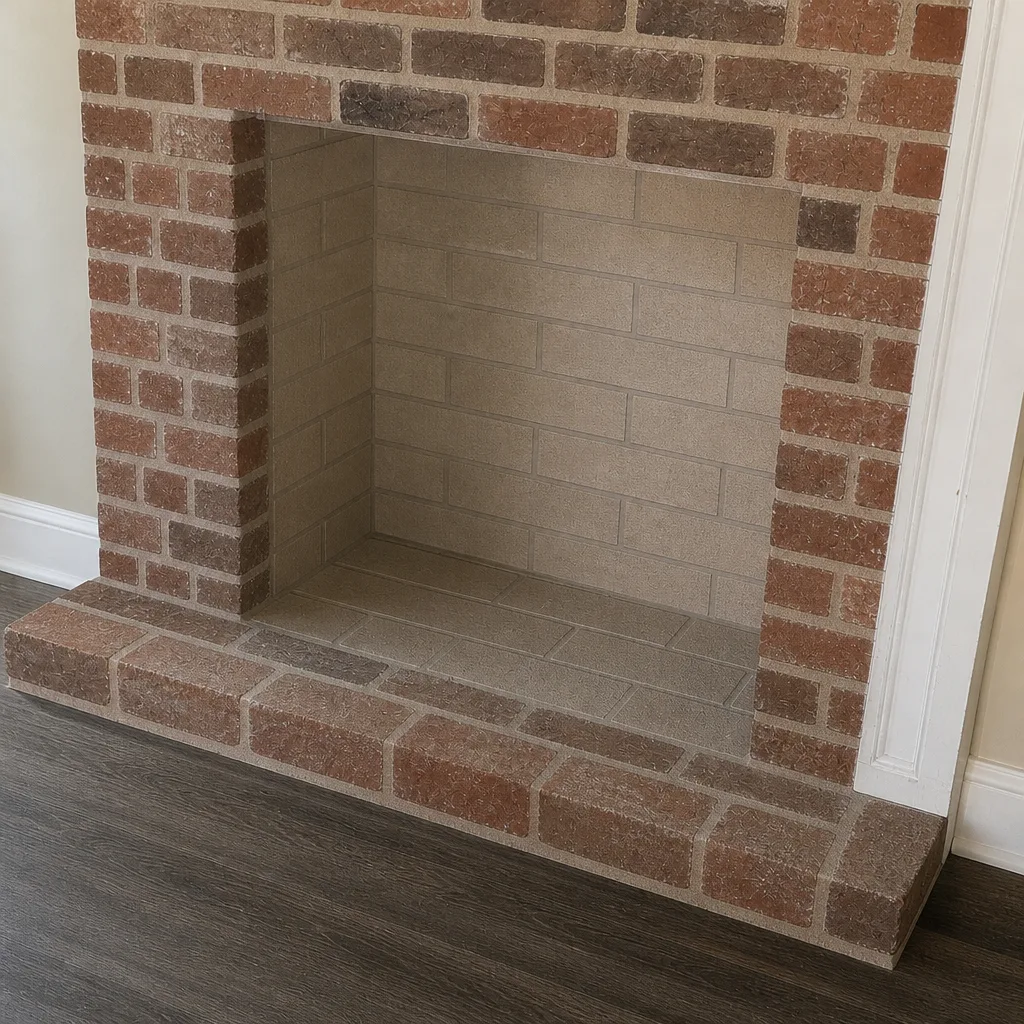
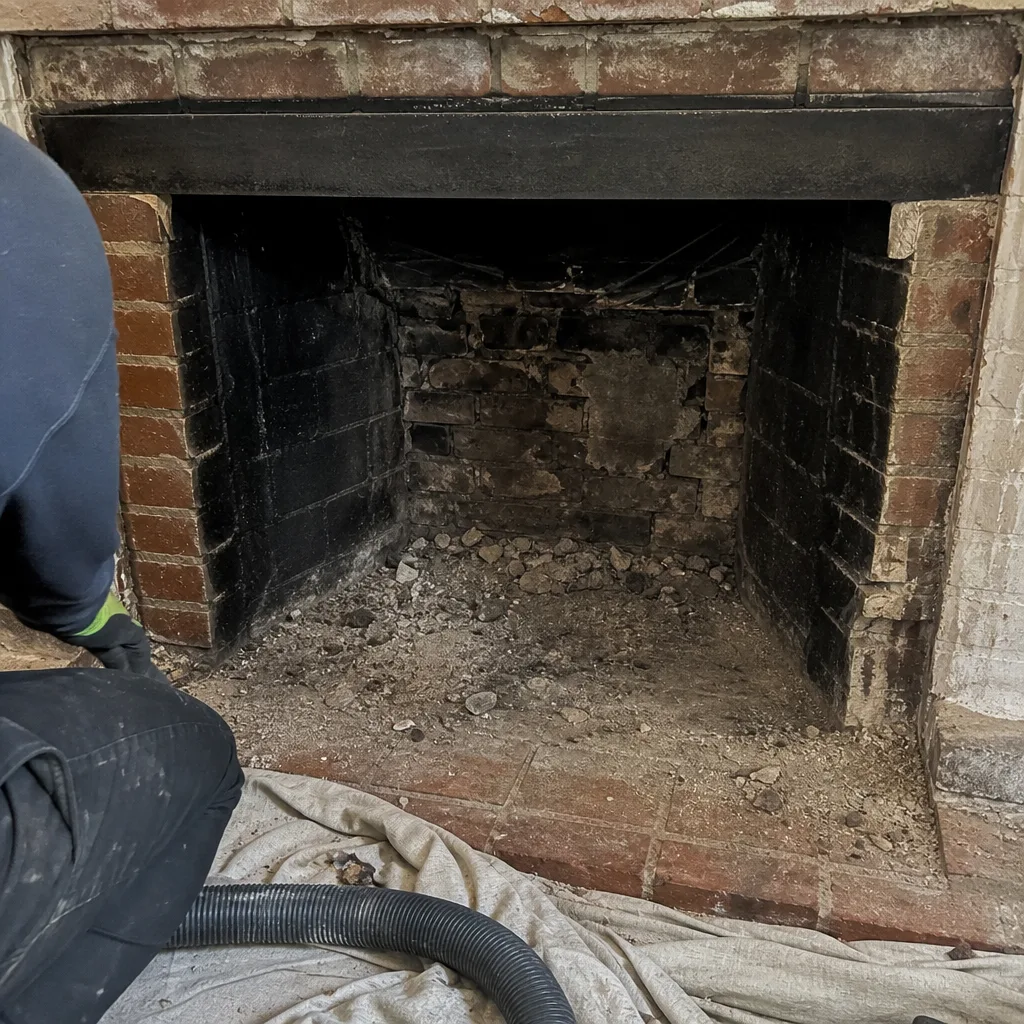
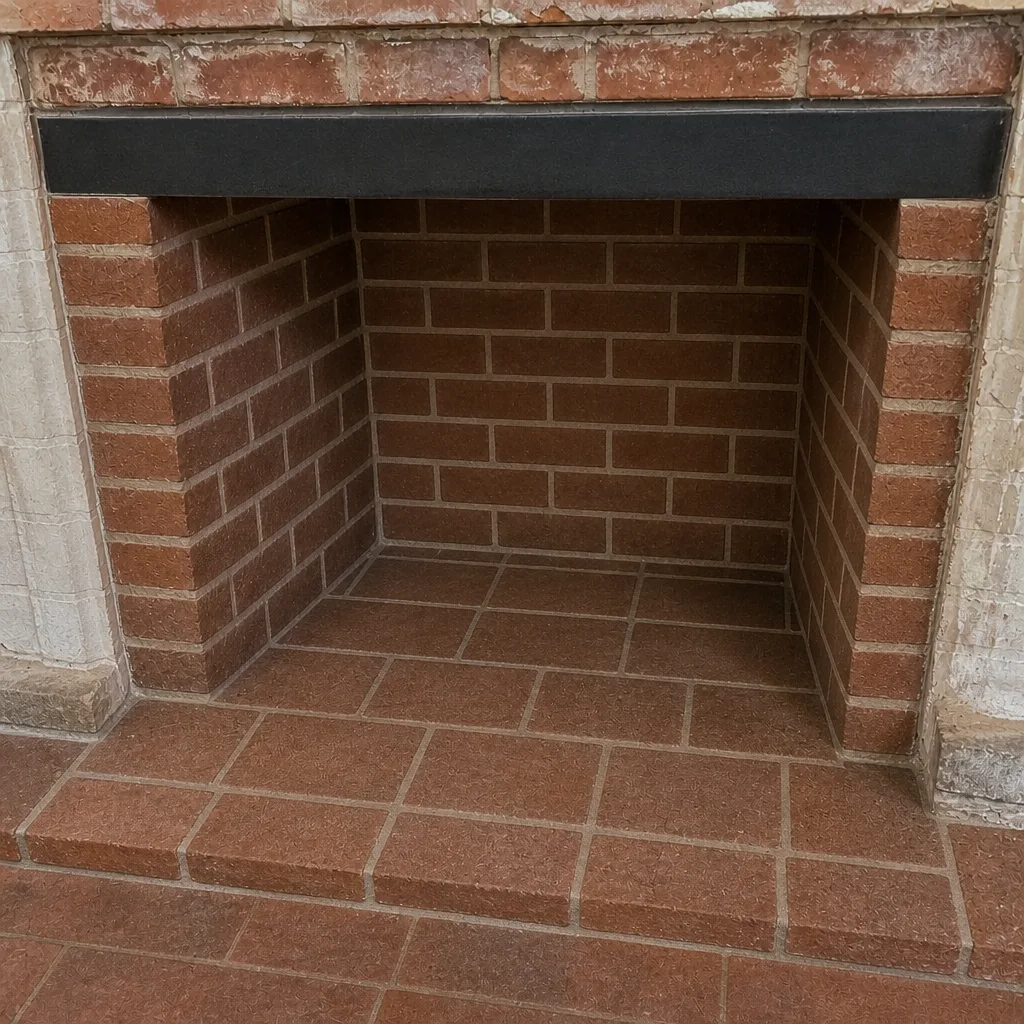
See the difference
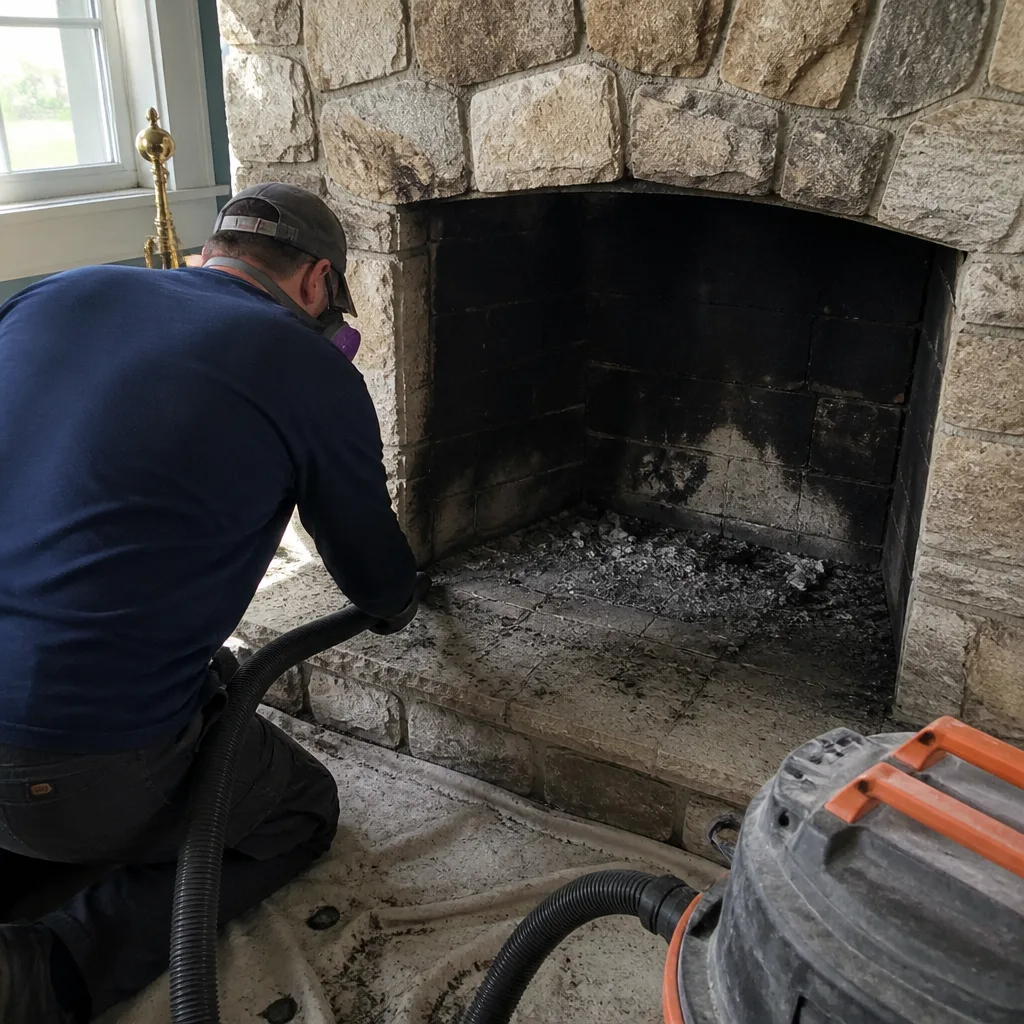 Before
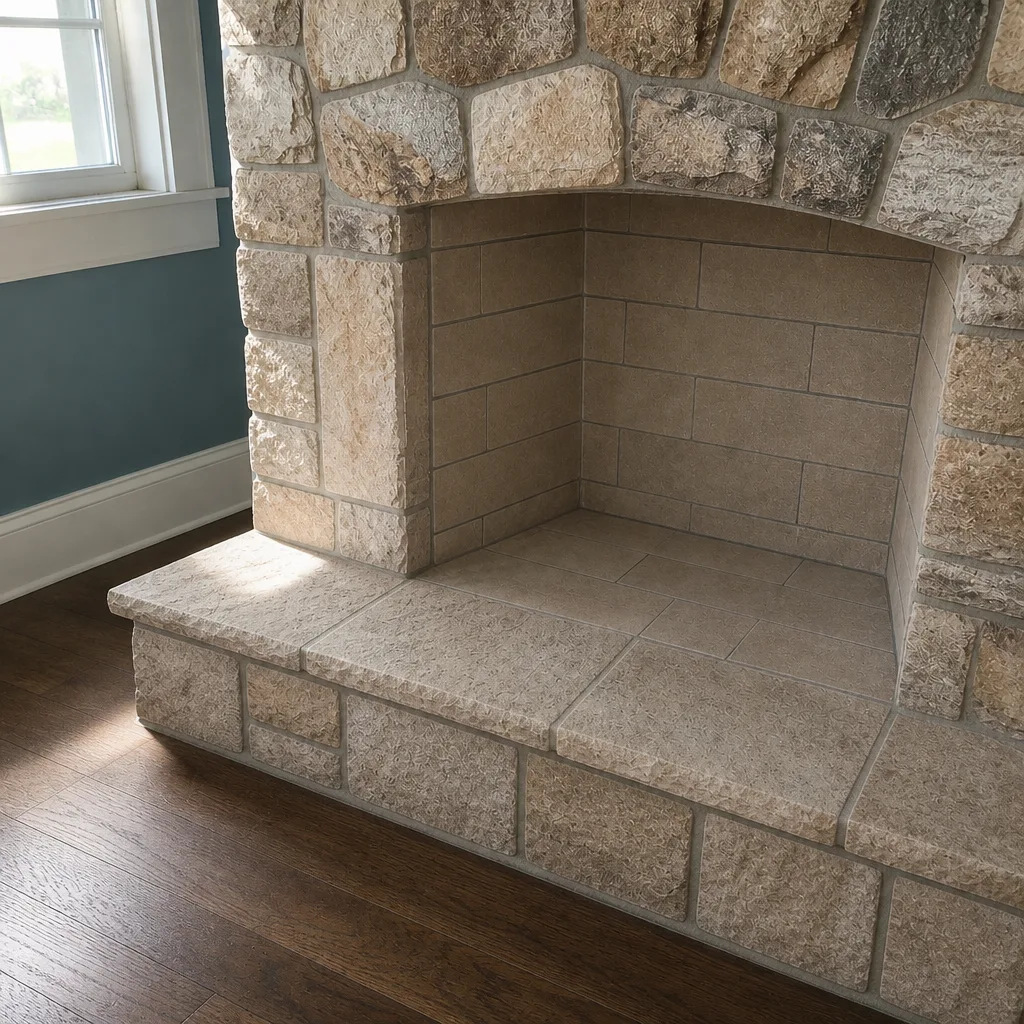 After
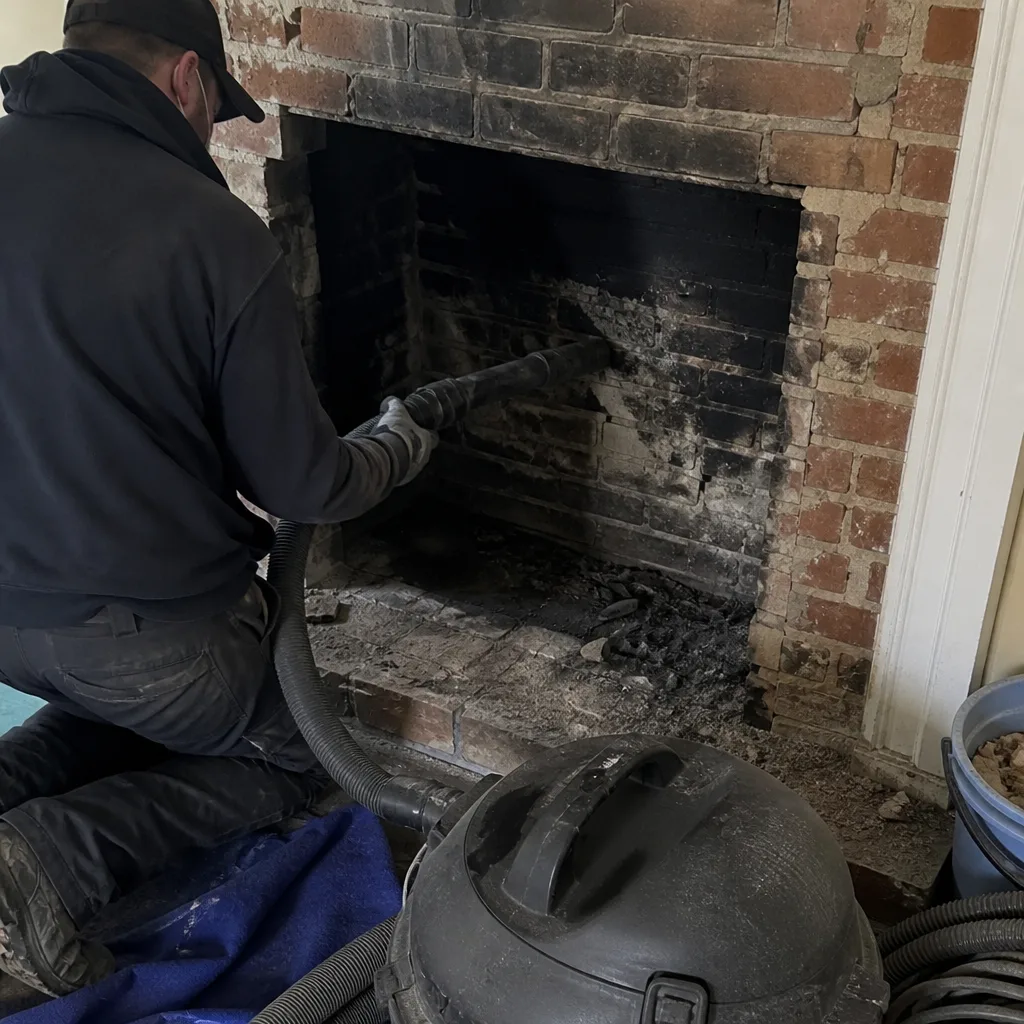 Before
 After
 Before
 After
When to Call a Professional
You should call a professional when you notice smoke backing into the room, a strong tarry smell when the fireplace is cold, visible soot thickening inside the firebox, water intrusion around the hearth, or anything on the rooftop after a storm that looks off. You should also call before using a fireplace you haven’t had inspected, before switching between gas and wood, or when your building management flags a chimney concern. Any work involving the roof, the flue, or the firebox itself belongs to a trained technician, not a homeowner with a flashlight. Chimney Sweep Upper East Side offers free estimates in Upper East Side, and we’re happy to look before you decide anything: call (877) 492-4134. We answer 24/7, with fast dispatch from 7am to 7pm, Sunday through Friday.
Frequently Asked Questions
An Upper East Side chimney should be swept after roughly one cord of wood burned, or annually if you burn less than that, with an inspection at least once a year regardless of fuel use. If you burn intensely in short stretches, don’t wait for the annual date to check the soot level. Call (877) 492-4134 for an exact quote on your situation; estimates are free.
Yes. Inspection catches structural issues like a cracked crown, damaged flashing, or a failing liner that a low-use fireplace can hide just as easily as a high-use one. A few fires a year still adds up over time, and Manhattan weather works on the rooftop masonry all year round. For a targeted inspection on your Upper East Side chimney, call (877) 492-4134; estimates are free.
Skipping chimney maintenance lets small problems compound: creosote buildup reduces draft and can ignite, water intrusion through a cracked crown or separated flashing damages masonry, and a failing liner goes unnoticed until there’s a real problem inside the apartment. None of these show up overnight; they build quietly. For a proper look before something gets worse, call (877) 492-4134; estimates are free.
Mostly, but with extra steps. Co-op and condo fireplaces need building management notified before rooftop work, need verification that the fireplace vents to the right flue, and sometimes need coordination with neighboring apartments if a flue is shared. Everything else follows the same use-based checklist. Call (877) 492-4134 to talk through your building’s setup; estimates are free.
Look for a tilted or displaced cap, cracks in the crown, gaps at the flashing, or visible movement in the chimney stack. Most of these can be spotted with binoculars from the street or a window with a clear sight line. If anything looks off, the next step is a professional check on the roof. Call (877) 492-4134 to schedule an inspection; estimates are free.
A sweep removes soot, creosote, and debris from the flue and firebox. An inspection evaluates the condition of the whole system: cap, crown, flashing, flue lining, smoke chamber, damper, and firebox. A proper service does both, starting with the inspection. For the combined service on your Upper East Side chimney, call (877) 492-4134; estimates are free.
The Bottom Line
The most useful chimney maintenance checklist for an Upper East Side homeowner is the one tied to use and condition, not the calendar. Schedule a yearly professional inspection no matter what, and add a sweep when you’ve burned about a cord of wood or when the firebox tells you soot has built up. Do the safe visual checks from the firebox every season, log odor changes, draft problems, and debris, and do a post-storm pass on the cap, crown, and flashing from street level. In a co-op or condo, coordinate with building management before any rooftop work. The right materials, from DuraFlex liners to Famco caps, are the durability layer under all of it, and the honest professional who looks before brushing is the one worth keeping.
Talk to Us About Your Chimney
Chimney Sweep Upper East Side is a dedicated chimney and fireplace specialist, and we handle inspections, sweeping, caps and crowns, liner repair, and fireplace repair as one team. Before we sweep, we look. Before we quote, we inspect. Every recommendation is grounded in what we actually see inside your flue, not in a generic annual reminder. For a chimney repair question, a full maintenance plan, or just a look at your firebox, call (877) 492-4134 for a free estimate. We answer 24/7, with fast dispatch from 7am to 7pm, Sunday through Friday.
Written by the team at Chimney Sweep Upper East Side.