
Last updated November 25, 2026
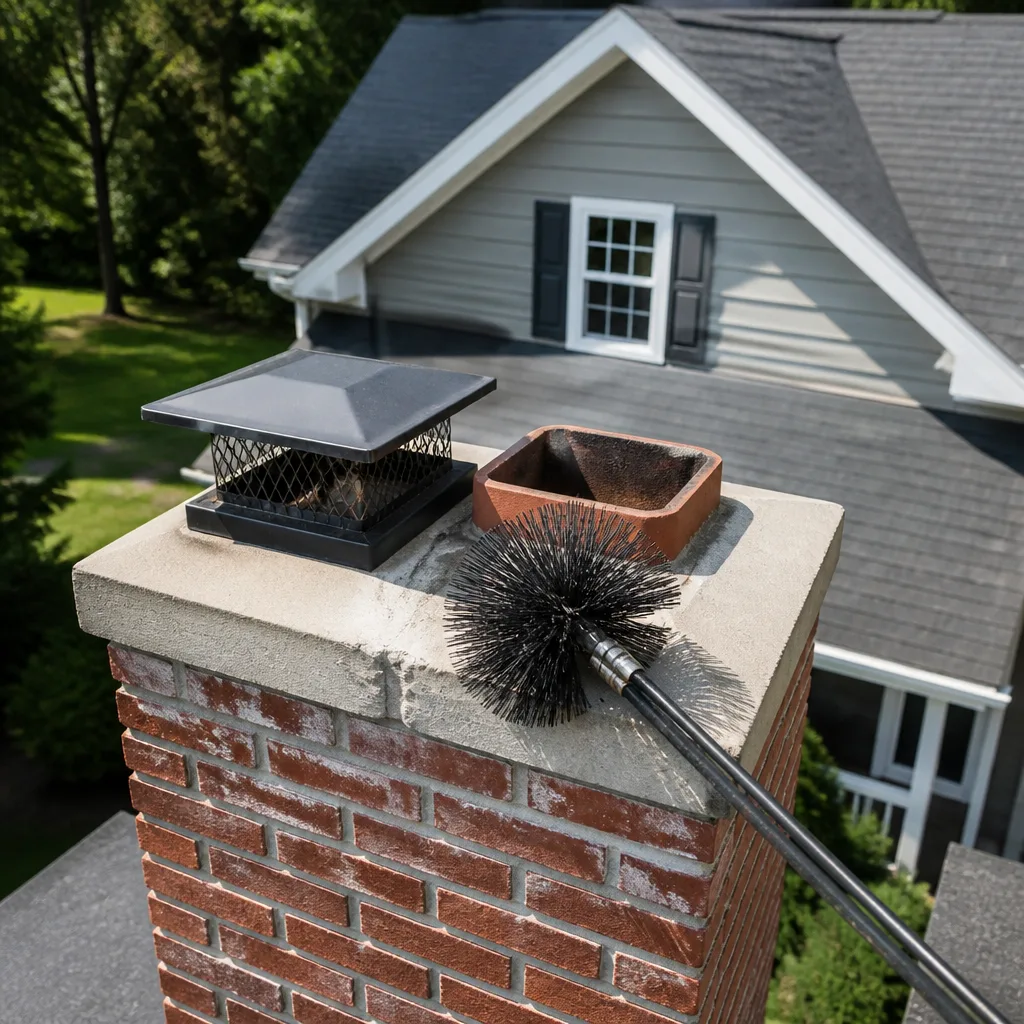 Sweep & inspection
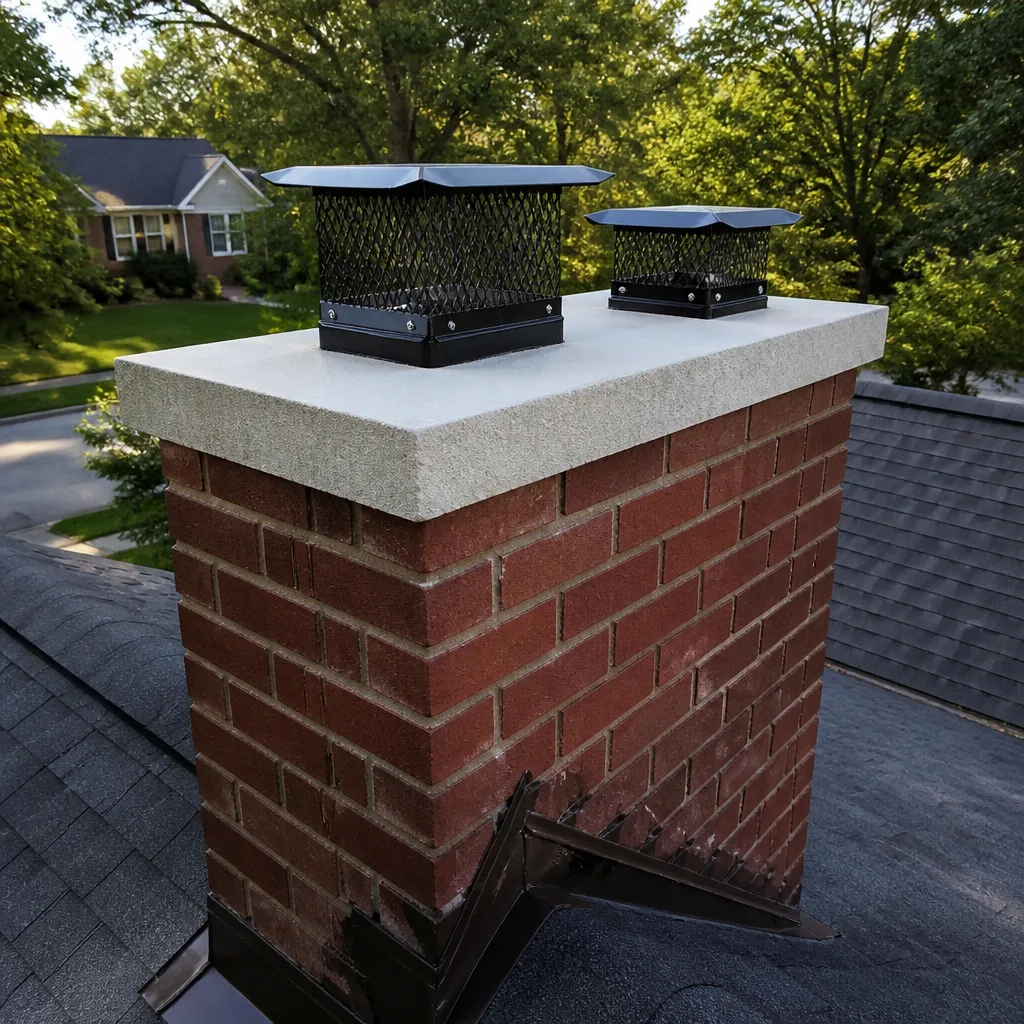 Caps & crowns
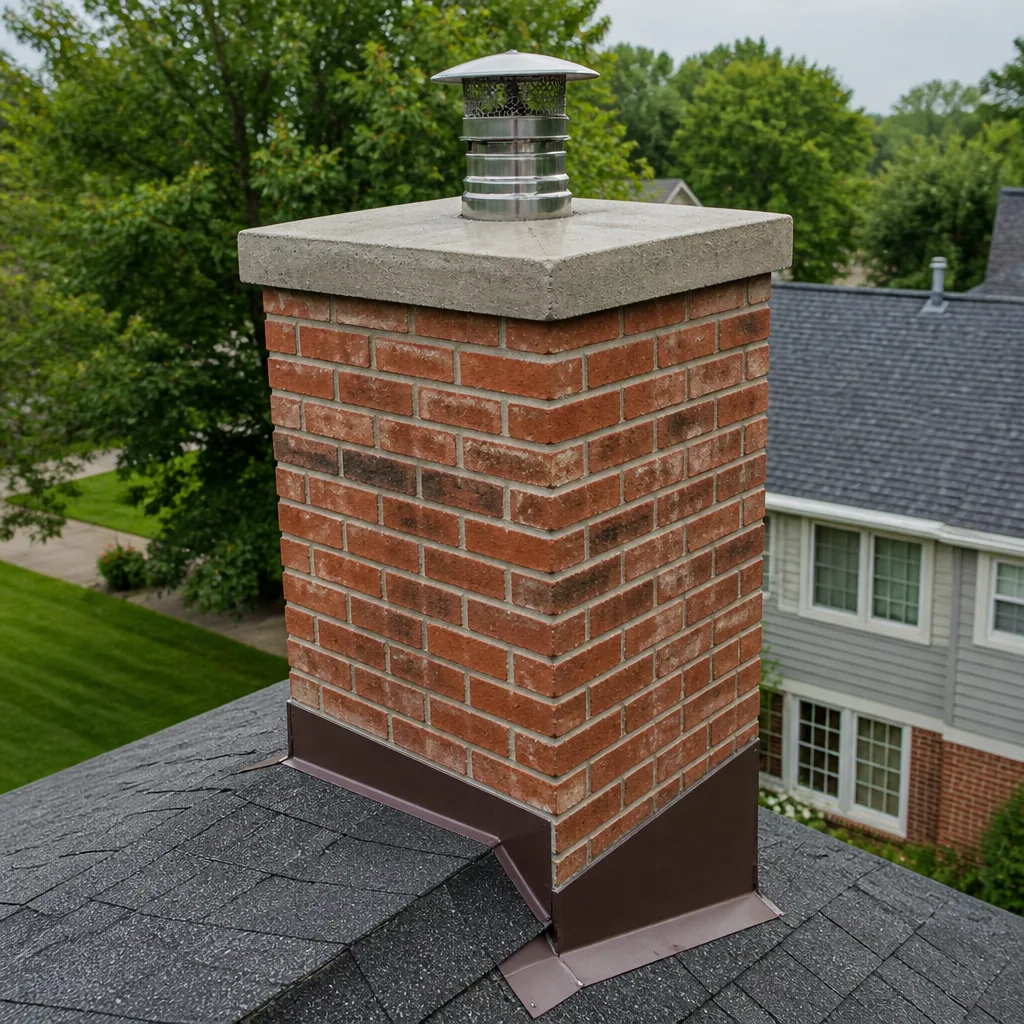 Flue relining
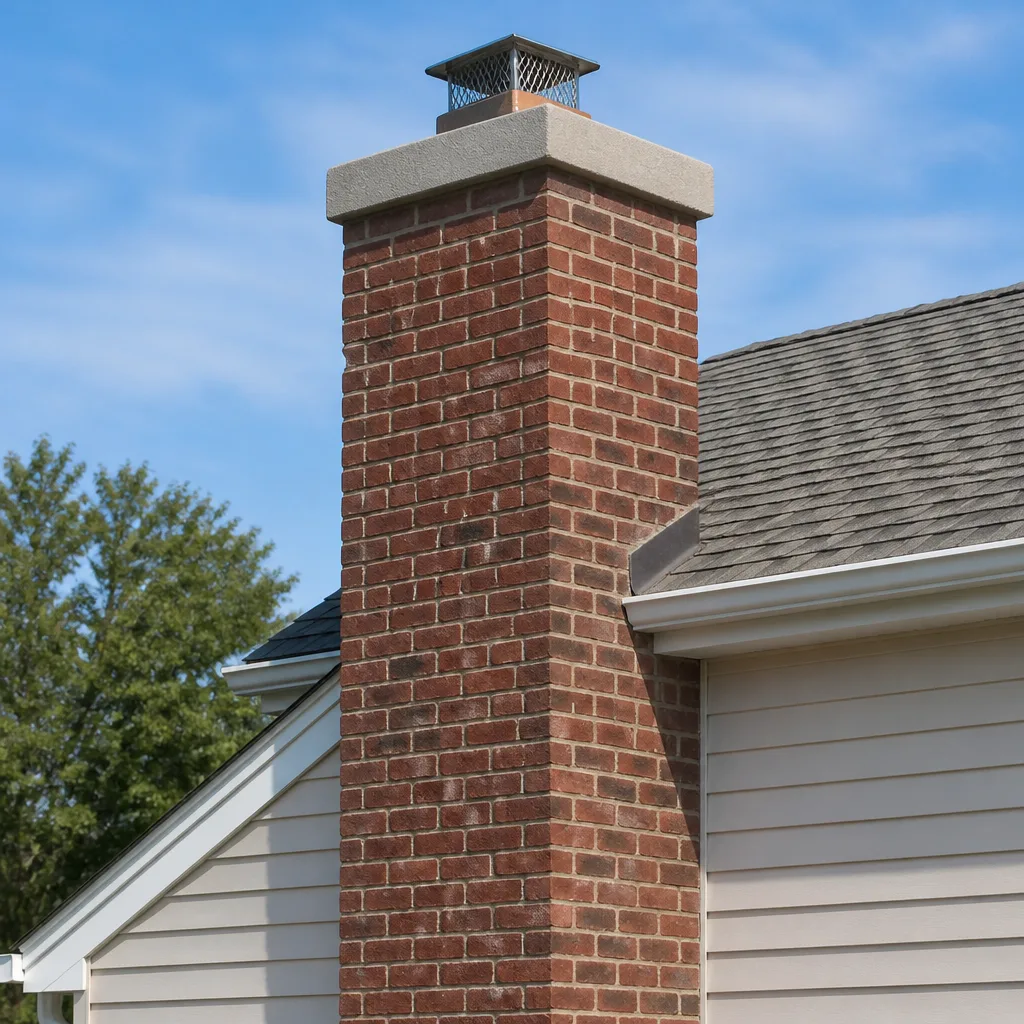 Masonry repair
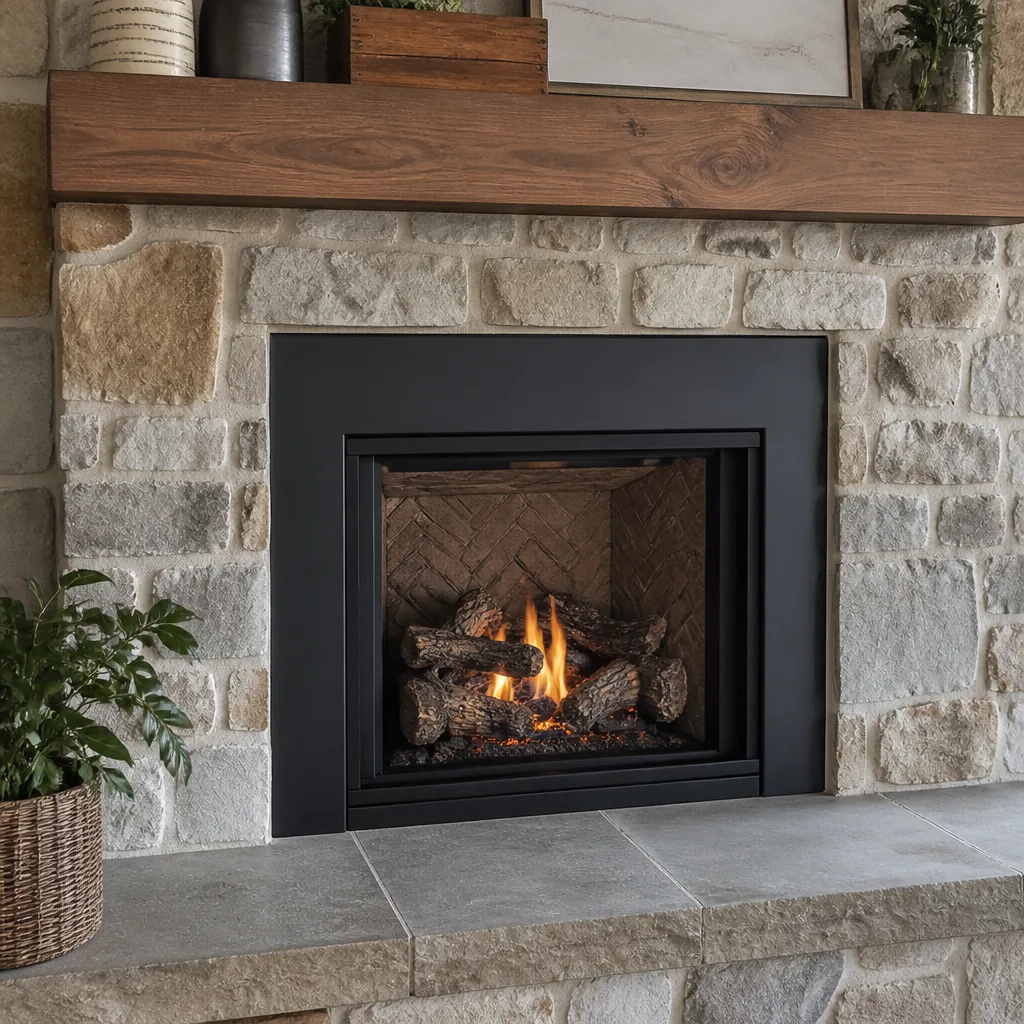 Gas fireplace service
Level 1 sweep and inspection to the NFPA 211 annual standard - flue, crown, cap, and flashing checked and photographed
Chimney sweep logs do not sweep chimneys. They loosen some creosote - which then falls where a brush and vacuum still have to collect it.
DIY vs Professional Chimney Cleaning: The Upper East Side Homeowner’s Decision Guide
The chimney brush kits sold online are real tools. That’s the part that gets lost in this debate. They’re not toys, and the people who buy them aren’t naive. But those kits are designed around a specific set of conditions: a straight flue in a single-family house, a cleanout at the base you can reach without gymnastics, and creosote that hasn’t hardened past the first stage. A 1927 prewar building on the Upper East Side with an offset clay-tile liner and a rooftop six stories up is not that set of conditions. This guide is about drawing the line honestly. It won’t tell you that do-it-yourself chimney cleaning is reckless. It will tell you when it works, when it doesn’t, and how to know which situation you’re actually in.
Quick Answer
DIY chimney cleaning is technically adequate only when four conditions are all true: a straight flue, Stage 1 creosote only, a cleanout you can reach safely, and a single-family home you own outright. Most Upper East Side homes fail at least two of those tests because of prewar construction, offset flues, shared chases, and rooftop access. For those homes, professional cleaning with a closed-circuit camera and a rotary system is the only way to verify the flue is actually clean and intact.
Styles & brands we work with
- Sweep & inspection
- Caps & crowns
- Flue relining
- Masonry repair
- Gas fireplace service
Table of Contents
- The Narrow Conditions Where DIY Cleaning Actually Works
- Why Upper East Side Prewar Construction Changes the Calculation
- The Equipment Gap: Rotary Systems and Closed-Circuit Cameras
- Creosote Stages and What You Can Realistically Detect
- Co-op and Condo Rules, Liability, and Insurance
- The Honest Cost-Benefit Math
- What a Professional Inspection Covers That a Sweep Alone Doesn’t
- Signs You’re Already Past the DIY Decision Point
The Narrow Conditions Where DIY Cleaning Actually Works
There’s a version of this guide that says DIY chimney cleaning is always a bad idea. That version is wrong, and homeowners with a bit of mechanical sense know it’s wrong. So let’s start with the honest case for doing it yourself.
Residential chimney cleaning is technically adequate as a DIY project when every one of these conditions is true:
- Straight flue with no offsets. The brush has to travel from the top or bottom in a straight line. Any jog in the flue, and a consumer brush either won’t reach the shoulder or will stop short of it.
- Stage 1 creosote only. That’s the sooty, flaky, brushable kind. Stage 2 is tar-like and sticky. Stage 3 is glazed and hardened. A standard poly brush is designed for Stage 1 and will struggle with anything past it.
- Accessible cleanout door. At the base of the chimney, at a height you can work at without a ladder, and large enough to reach in and pull out the debris.
- Single-family home you own. No shared chase, no co-op board, no landlord.
- Safe roof access. Either a properly built, code-compliant roof access point with fall protection, or a bottom-up cleaning setup that means you never go on the roof at all.
- Light to moderate use. An occasional fire in a wood-burning fireplace, not daily burns or a wood stove running through winter.
When those boxes are all checked, a careful homeowner with a decent brush kit and a shop vacuum can do a serviceable job. It won’t be what a professional sweep produces, and it won’t include an inspection, but it will remove loose soot and keep the flue from loading up between professional visits.
The reason this section is short is that most Upper East Side homes don’t check those boxes. A prewar building on a block near Carl Schurz Park or along Madison Avenue typically has an offset clay tile liner, a shared chase, and a rooftop five to fifteen stories up. That’s the reality that pushes the decision toward professional service. We’ve seen the inside of enough of these flues to know that the DIY case is real but rare in this neighborhood.
Why Upper East Side Prewar Construction Changes the Calculation
The Upper East Side has one of the densest concentrations of prewar residential buildings in the country. Many were built between 1900 and 1940, and their chimneys were designed for coal, then converted to oil, then to gas or wood. The architecture that makes these buildings desirable is the same architecture that makes DIY cleaning hard.
Three specific features matter:
- Offset flues. A prewar chimney often jogs around a structural element, a neighboring unit, or a mechanical shaft. The flue doesn’t run straight from the firebox to the top. A consumer brush can’t negotiate an offset, which means a significant portion of the flue never gets touched.
- Terra cotta liners. The standard liner material in prewar buildings is fired clay tile, laid in sections with mortar joints. Those joints crack over time. A brush passing through a cracked joint can widen it, and a homeowner working blind has no way to see the damage.
- Shared chimney chases. Many Upper East Side buildings run multiple flues through a single chase. What you do in your flue can affect the flue next to it, especially if a joint has failed and debris or soot can migrate sideways.
Add in rooftop access. A townhouse on a side street may have a legitimate roof hatch or a scuttle, but most apartment buildings require roof access through a bulkhead door that’s locked, alarmed, or controlled by building staff. Even if you get to the roof, working at height on a Manhattan rooftop without fall protection is a serious safety issue, not a minor inconvenience.
This is the point where we usually tell homeowners: the question isn’t whether you’re capable of brushing a flue. It’s whether the flue in your building is the kind a brush can actually clean. In most Upper East Side prewar buildings, it isn’t.
The Equipment Gap: Rotary Systems and Closed-Circuit Cameras
Consumer chimney brush kits and professional rotary cleaning systems are not the same category of tool. They share a name and roughly the same shape. That’s where the comparison ends.
A professional rotary system uses a spinning whip or chain head on a flexible rod, driven by a drill or purpose-built motor. It doesn’t just push soot off the flue wall the way a fixed brush does. It scrubs the surface at speed, which is what it takes to clear Stage 2 and Stage 3 creosote and to get into the shoulders of an offset. The same rods can be extended to the full height of a flue in a prewar building, and the head can be swapped for different flue sizes and materials.
The second half of the equipment gap is the camera. A closed-circuit flue camera runs down the chimney on a rod or cable and sends back a live image of the inside surface. That image is what lets a sweep see:
- Cracked or missing mortar joints in the terra cotta liner
- Stage 2 or Stage 3 creosote that a brush alone won’t remove
- Offset geometry that a straight brush can’t reach
- Debris, bird nests, or a collapsed liner section
- Gaps at the thimble or at the top of the flue that can let combustion gases escape
No consumer kit replicates this. A homeowner can buy a brush, a rod set, and a shop vacuum. They can’t buy a professional rotary head, and even if they could, they’d still be working blind. We use the camera on every job because the picture is the evidence. Without it, any recommendation about what the flue needs is just a guess.
The same principle applies to the material side. When a flue does need work beyond cleaning, the components matter. We install chimney repair materials from DuraFlex, HeatShield, Gelco, Olympia Chimney, Famco, and Copperfield because those are the brands specified for the flue types we see in Upper East Side buildings. HeatShield in particular is a ceramic resurfacing system that can restore a cracked flue without a full reline, and it’s a specialist product a homeowner can’t buy or apply. If the inspection shows the liner can be saved with HeatShield, that’s a real cost avoidance over a full liner replacement. If it can’t, the camera image is what tells us so.
Creosote Stages and What You Can Realistically Detect
Creosote is the residue left behind when wood burns incompletely. It builds up in stages, and the stage determines what kind of cleaning will work.
- Stage 1: sooty and flaky. Looks like black dust or thin flakes. A standard brush removes it. This is the only stage a consumer kit handles well.
- Stage 2: tar-like and sticky. Dark, gummy, and it clings. A fixed brush smears it around rather than removing it. A rotary head is usually required.
- Stage 3: glazed and hardened. Looks like a shiny black shell fused to the flue wall. It’s the most combustible form and the hardest to remove. Rotary cleaning with the right head is the starting point, and in some cases the flue needs resurfacing or relining afterward.
The problem with DIY detection is that Stage 1 and Stage 2 look similar from the firebox. A homeowner shining a flashlight up the flue can usually see the first few feet. Past that, the angle hides everything. The only reliable way to know which stage you’re dealing with is to look at the full flue length with a camera, which is exactly what a professional sweep does before recommending anything.
For Upper East Side homeowners, the practical rule is this: if you burn wood regularly through the heating season, assume you’re at least at Stage 2 by the end of it. If you burn occasionally, a professional sweep before the season starts keeps you at Stage 1 and makes future DIY touch-ups safer. Our chimney sweep service includes the camera look-back as standard, so you know what stage you’re in rather than guessing.
Co-op and Condo Rules, Liability, and Insurance
This is the section most DIY guides skip, and it’s the one that matters most for Upper East Side homeowners in co-op and condo buildings.
A co-op board has broad authority over what happens inside a unit and on common areas. Chimney work touches both. The flue is often classified as a building element, not a unit element, which means the board may prohibit owner-arranged chimney work outright. Even in a condo, the alteration agreement or house rules frequently require that any work affecting the chimney be performed by a licensed and insured contractor, with proof of insurance filed with management before the work begins.
The insurance piece is where DIY gets genuinely risky. If a homeowner brushes a flue and dislodges debris that later blocks a neighbor’s flue or damages a shared chase, the building’s insurer may look to the owner for the loss. A homeowner’s policy typically excludes damage arising from work the owner performed on building systems. A professional sweep’s liability coverage is what stands between the homeowner and that exposure.
Before any chimney work in a co-op or condo, do these three things:
- Read your proprietary lease, bylaws, or house rules for language about chimney, flue, or common-area alterations.
- Ask building management whether chimney work requires prior approval and what proof of insurance they need to see.
- If you’re in a co-op, get the board’s answer in writing before scheduling anything, professional or DIY.
In our experience, most Upper East Side buildings fall into one of two categories: those that already have a building-wide chimney arrangement and those that require owner-arranged work to go through a vetted contractor. Either way, the decision has usually been made for you before you pick up a brush. If you own a townhouse, you have more latitude, but the insurance reasoning still holds.
The Honest Cost-Benefit Math
Here’s the calculation most homeowners actually want: what does DIY save, and what does it risk? Below is a line-item comparison. Prices are typical estimates for the Upper East Side market, and the written estimate from any contractor sets the final price.
- Consumer brush kit + rods: $60 to $150 typical, plus a shop vacuum if you don’t own one.
- Professional chimney sweep: $150 to $350 typical for a standard flue, more for a difficult access situation or a heavy creosote load.
- Consumer flue camera (optional): $100 to $300 typical for a basic scope, and it still doesn’t tell you what a trained eye reads in the image.
- Professional inspection with camera and written report: $150 to $400 typical, often bundled with the sweep.
- Repair of a cracked joint widened by a DIY brush: $400 to $1,500 typical, depending on whether it’s a spot repair or a section reline.
- HeatShield ceramic resurfacing (when the liner can be saved): $800 to $2,000 typical, versus $2,500 to $6,000 for a full liner replacement.
So the DIY savings on a single sweep is somewhere between $50 and $200, before you count your time. The cost of the most common DIY outcome, a widened joint or a flue left partially cleaned, is several times that. And when you factor in building rules that require contractor insurance, the DIY option may not be available at all.
The honest framing is this: DIY makes sense when it’s a light touch-up between professional sweeps in a house that meets every condition in the first section. It doesn’t make sense when it’s the only cleaning the flue gets. A professional sweep that includes an inspection and a camera look is the baseline, not the upgrade.
What a Professional Inspection Covers That a Sweep Alone Doesn’t
A chimney sweep cleans the flue. An inspection evaluates the whole system. Those are different services, and the difference matters for Upper East Side homeowners who are trying to decide what to do next.
One inspection covers your entire chimney system, not just the flue above the firebox. A thorough inspection includes:
- Firebox and damper. Cracks in the firebox brick or mortar, and a damper that doesn’t close or seal properly.
- Smoke chamber. The transition area above the damper where turbulence can leave heavy creosote deposits that a straight brush misses.
- Flue liner, full length. Camera inspection confirms joint integrity, stage of creosote, and any offsets or collapses.
- Chimney cap and crown. The chimney cap & crown is what keeps water and animals out. A cracked crown or a missing cap is a common reason a flue takes on water and deteriorates.
- Exterior and roofline. Masonry condition, flashing, and the top of the chimney where freeze-thaw damage shows up first.
This is why the ceiling of a DIY approach isn’t the brush. It’s the fact that a brush doesn’t look at the firebox, the damper, or the crown. We install Gelco and Famco caps and covers because those are the components with known performance specs and manufacturer backing, and we recommend replacement only when the camera or the visual inspection shows the old one has failed. Before we sweep, we look. Before we quote, we inspect.
Fireplace repair sits alongside chimney work for the same reason. The hearth is one system, and the firebox, damper, and masonry are as much a part of it as the flue above. A Chimney Sweep Upper East Side visit that ends with a written inspection report tells you what the whole system needs, not just the part a brush touches.
Signs You’re Already Past the DIY Decision Point
Some chimney conditions mean the DIY question is already answered. If any of these apply, the flue needs a professional look before anything else happens.
- You can smell smoke in the room when the fire is burning. That’s a draft or backdraft problem, and it can mean a blocked or compromised flue.
- There’s a strong, sharp creosote smell even when the fireplace is cold. That’s usually a sign of Stage 2 or Stage 3 deposits.
- You’ve had a chimney fire, even a small one. A chimney fire can crack a terra cotta liner invisibly. Only a camera inspection tells you whether the flue is still sound.
- The fire burns poorly or smokes back. Draft problems can come from a blocked flue, a failed damper, or a flue that’s the wrong size for the appliance.
- You see cracked or missing mortar in the firebox or the chimney top. That’s masonry that needs evaluation, not cleaning.
- You’re in a co-op or condo that requires contractor insurance. The rule usually means professional service, not a homeowner with a brush.
- The building is prewar and you’ve never had the flue inspected. You don’t know the flue geometry or the liner condition. Assume the worst until a camera shows otherwise.
If any of these match, call before doing anything else. The inspection comes first, and the cleaning gets planned around what it finds.
Common Mistakes to Avoid
- Buying the brush before checking the flue geometry. A consumer brush kit assumes a straight flue. In a prewar Upper East Side building, the flue often offsets around a structural element, and the brush never reaches the upper section.
- Assuming a flashlight check counts as an inspection. Looking up from the firebox shows you the first few feet at a bad angle. The cracked joints and failed mortar at the top of the flue are invisible from that vantage point, and they’re the ones that matter.
- Cleaning before checking the co-op rules. In many Upper East Side co-ops, any chimney work has to go through building management with proof of contractor insurance. Doing it yourself first can turn a routine job into a violation.
- Using a wire brush on a metal liner. The wrong brush for the liner material scores the surface and shortens the liner’s life. Match the brush to the flue material, and if you don’t know the material, don’t brush it.
- Skipping the cleanout door. Brushing from the top without an adequate cleanout means soot falls into the smoke chamber or the firebox and gets redistributed through the building. It’s the most common way a DIY sweep leaves the flue dirtier than it started.
- Treating a Stage 2 flue as a Stage 1 flue. A fixed brush smears tar-like creosote around rather than removing it. It can look cleaner from the firebox while the combustible load is unchanged.
- Ignoring the cap and crown. A missing cap lets water in, and water is what destroys a clay liner over time. The cap and crown are part of the system, and skipping them means the cleaning you did won’t hold up.
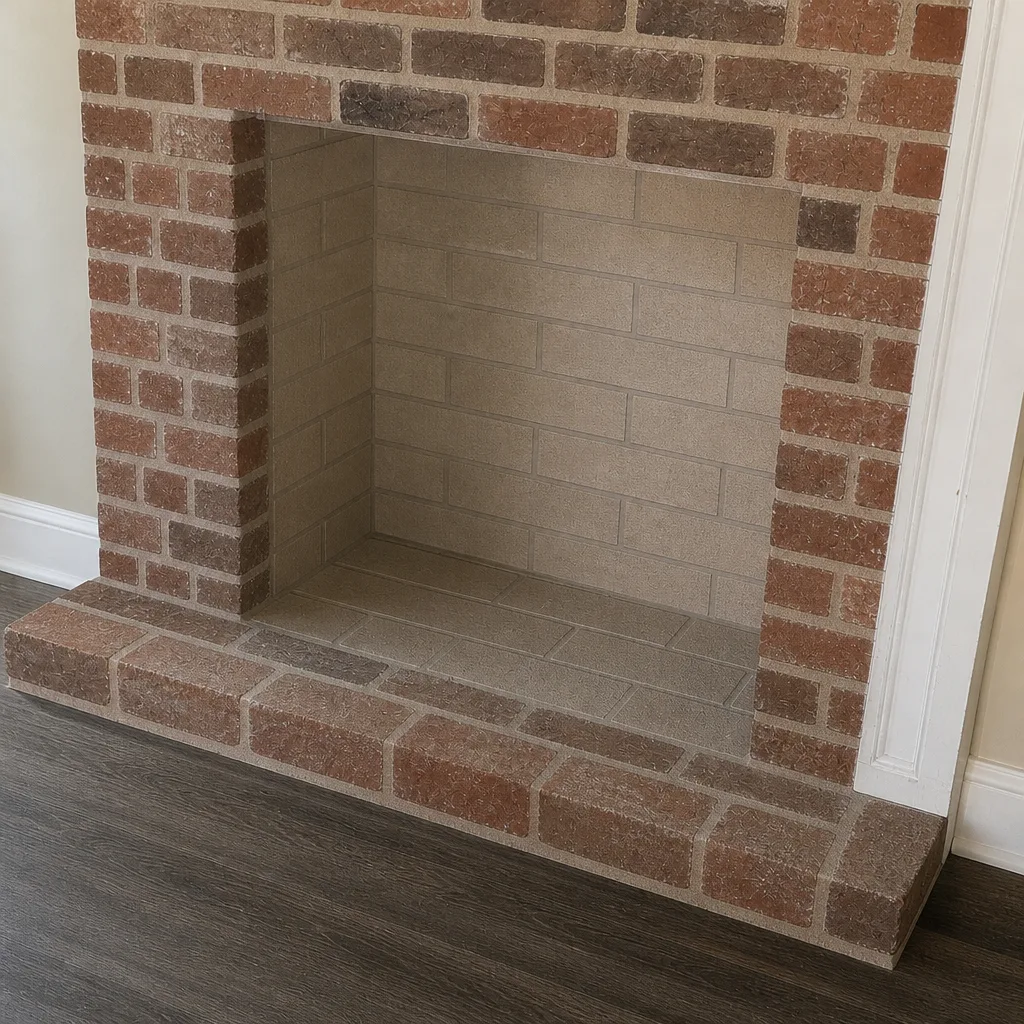
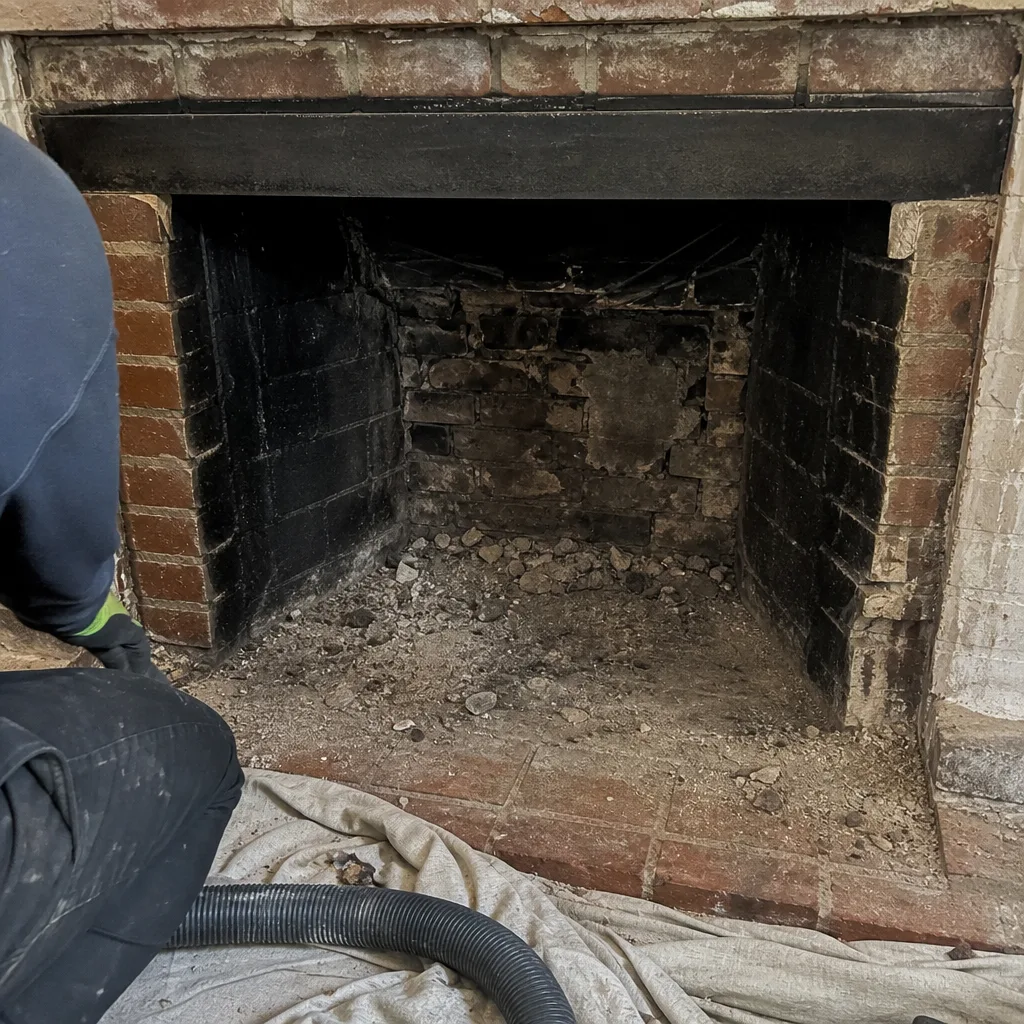
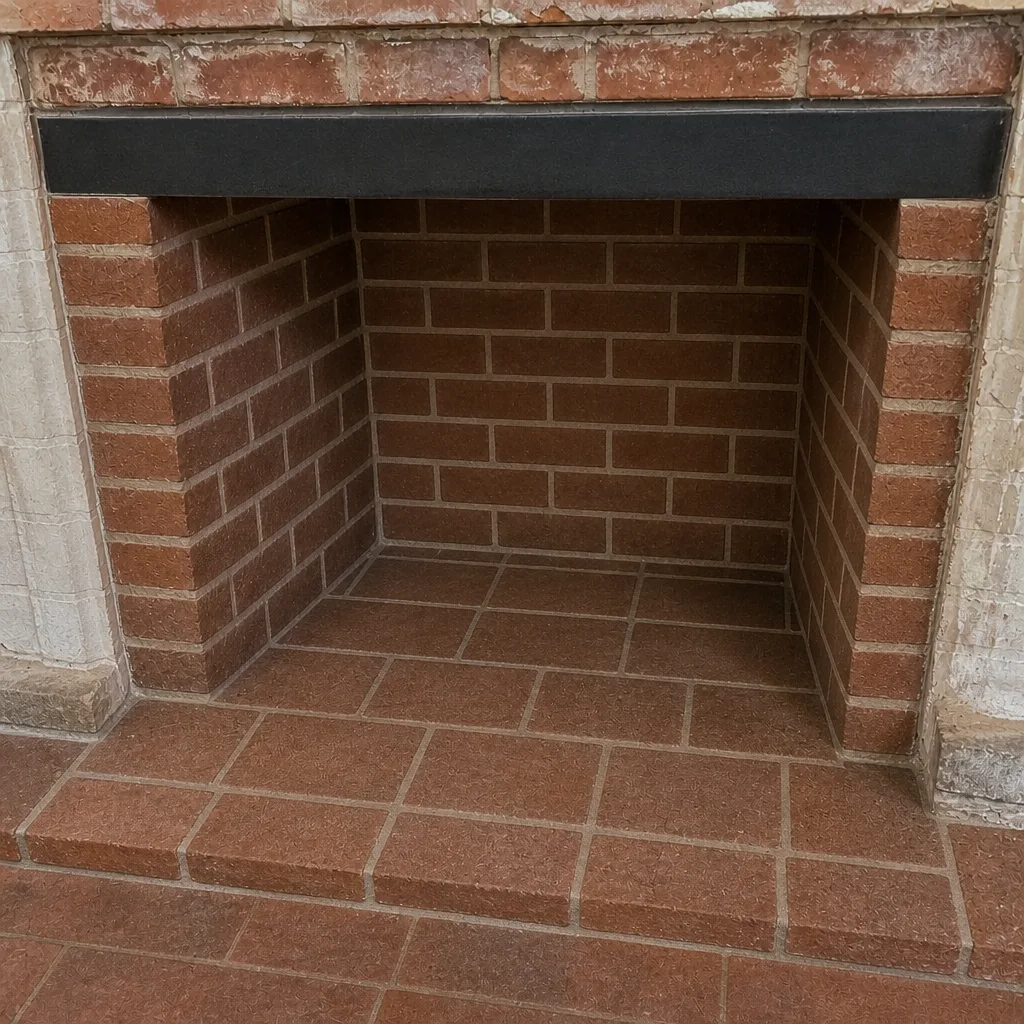
See the difference
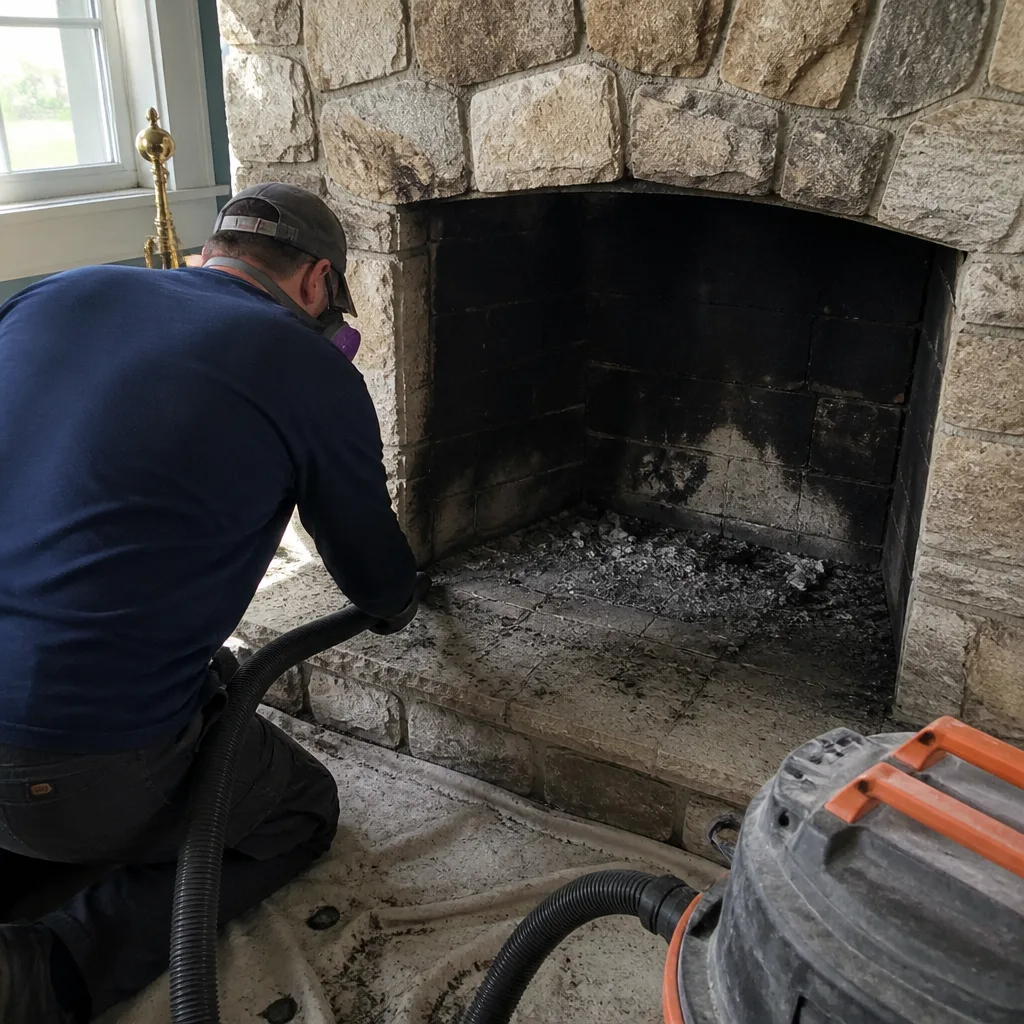 Before
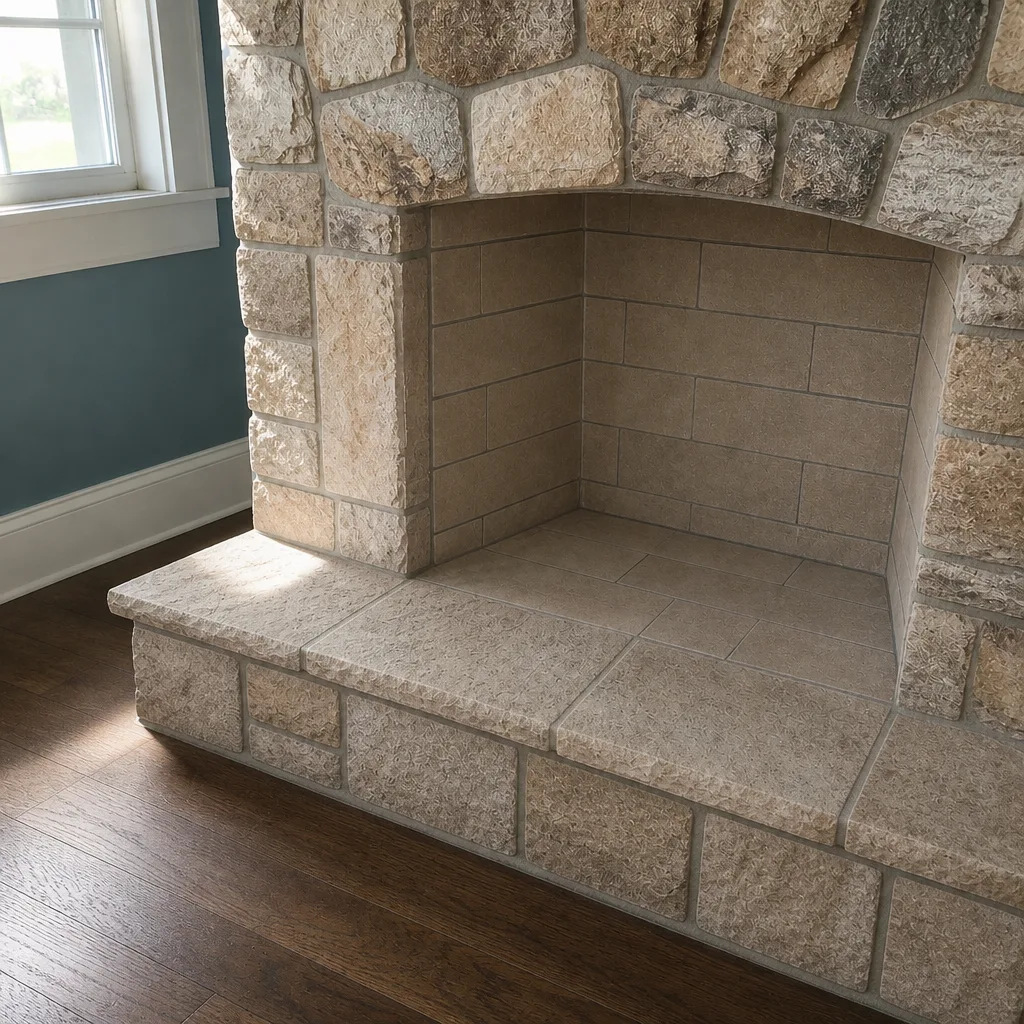 After
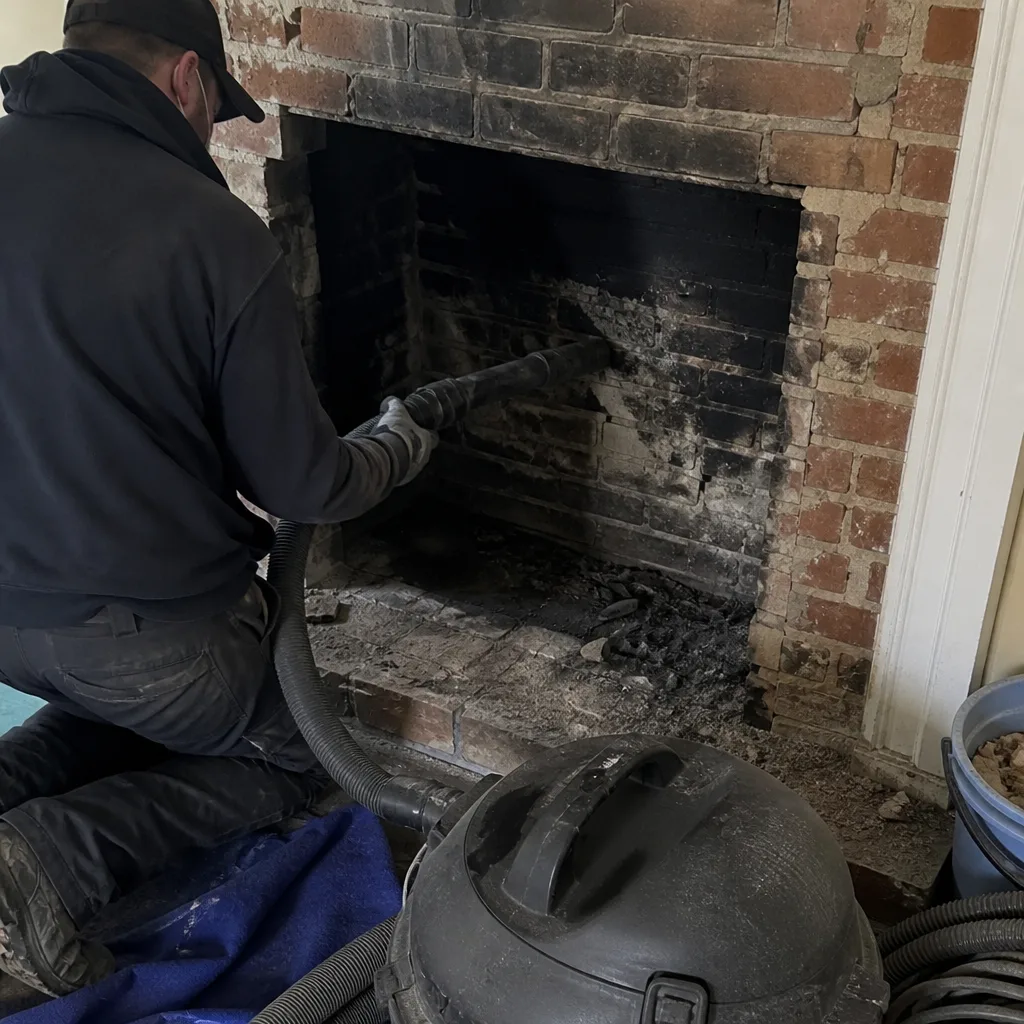 Before
 After
 Before
 After
When to Call a Professional
The honest line is this: call a professional when the flue geometry, the creosote stage, the access, or the building rules put your chimney outside the narrow conditions where DIY works. In practice, that means most Upper East Side homes. If you’re in a prewar building with an offset flue, a shared chase, or a rooftop that requires bulkhead access, the professional service isn’t a luxury. It’s the only way to clean the flue completely and inspect what the cleaning revealed. Same goes for any sign of a draft problem, a chimney fire, or a co-op rule that requires contractor insurance. Chimney Sweep Upper East Side offers free estimates in Upper East Side. Call (877) 492-4134. We answer 24/7. Fast dispatch from 7am to 7pm, Sunday through Friday. The local pro is licensed and insured as their state requires, and the written estimate sets the final price.
Frequently Asked Questions
A typical professional chimney sweep in Upper East Side runs $150 to $350, and difficult access or a heavy creosote load pushes that higher. A sweep bundled with a full camera inspection typically lands between $250 and $500. The written estimate sets the final price. Call (877) 492-4134 for an exact quote; estimates are free.
It’s safe only when the flue is straight, the creosote is Stage 1, the cleanout is accessible, and the home is a single-family house you own. Anything past that, especially an offset prewar flue or a shared chase, takes it out of DIY territory because a consumer brush can’t reach or evaluate the whole flue. When in doubt, have the flue inspected first.
Once a year for a wood-burning fireplace that gets regular use, and more often if you burn daily through the heating season. An occasional-use fireplace can go a bit longer, but an annual inspection still matters because liner damage and cap failures don’t wait for a cleaning schedule. In prewar buildings, the inspection is the more important of the two. Call (877) 492-4134 to book one; estimates are free.
It depends on what the camera shows. Cracked joints and surface deterioration can sometimes be restored with HeatShield ceramic resurfacing, which is a specialist alternative to full relining and costs less. A collapsed or fully failed liner needs replacement with a system like DuraFlex or Olympia Chimney. Nothing is recommended without camera evidence you can see for yourself.
Often yes. Co-op boards have broad authority over work that touches building elements and common areas, and the chimney is frequently classified as both. Many buildings require chimney work to go through a licensed and insured contractor with proof of insurance filed in advance. Check the proprietary lease or house rules, and get the board’s answer in writing before anyone picks up a brush.
Creosote accumulates in layers, and each layer raises the risk of a chimney fire. Stage 3 glazed creosote is the most combustible form, and it’s also the hardest to remove once it’s set. Separately, a blocked or cracked flue can let carbon monoxide back into the living space. Neither risk announces itself, which is why an annual inspection is the practical baseline. Call (877) 492-4134 to schedule one; estimates are free.
The Bottom Line
DIY chimney cleaning is a real option, but the conditions that make it appropriate are narrow: a straight flue, Stage 1 creosote, accessible cleanout, single-family ownership, safe roof access, and light use. Most Upper East Side homes fail at least two of those, because prewar construction brings offset flues, terra cotta liners with aging joints, shared chases, and rooftop access that belongs to the building, not the owner. The professional advantage isn’t just the brush. It’s the rotary system, the closed-circuit camera, the full-system inspection, and the liability coverage that a co-op board will ask to see. Before we sweep, we look. Before we quote, we inspect. Chimney work you won’t have to redo starts with knowing exactly what your flue needs.
Call Chimney Sweep Upper East Side at (877) 492-4134 for a free estimate. We answer 24/7. Fast dispatch from 7am to 7pm, Sunday through Friday. The written estimate sets the final price, the inspection includes a camera report you can review yourself, and our technicians have up to 10 years of experience.
Written by the team at Chimney Sweep Upper East Side.