
Last updated November 25, 2026
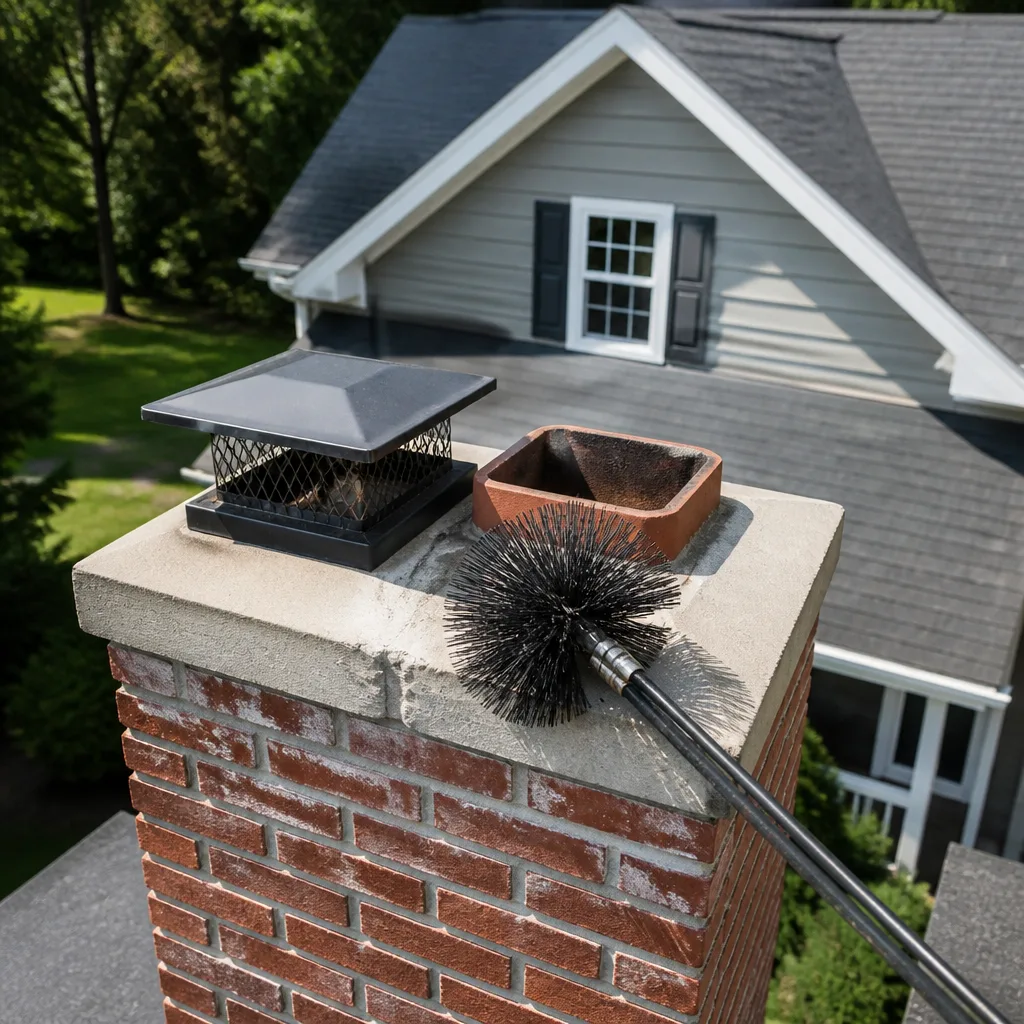 Sweep & inspection
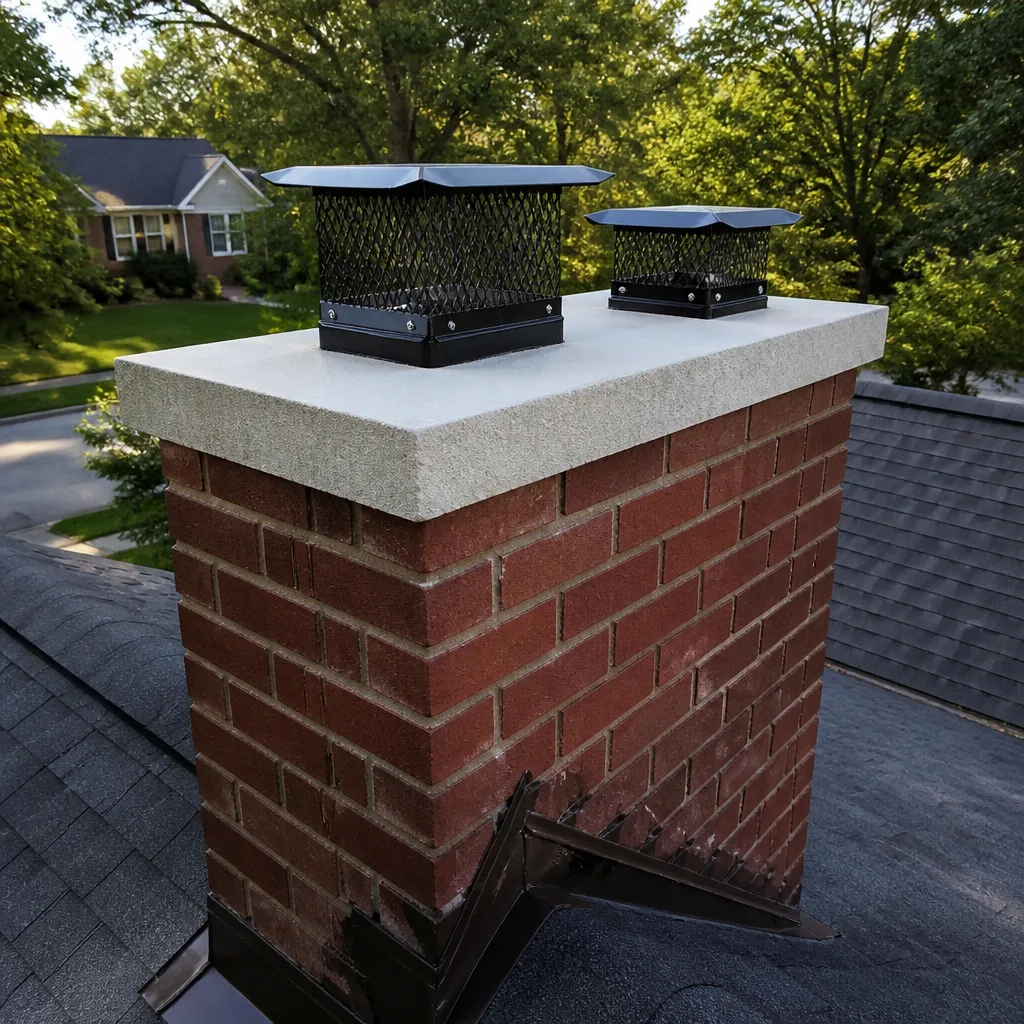 Caps & crowns
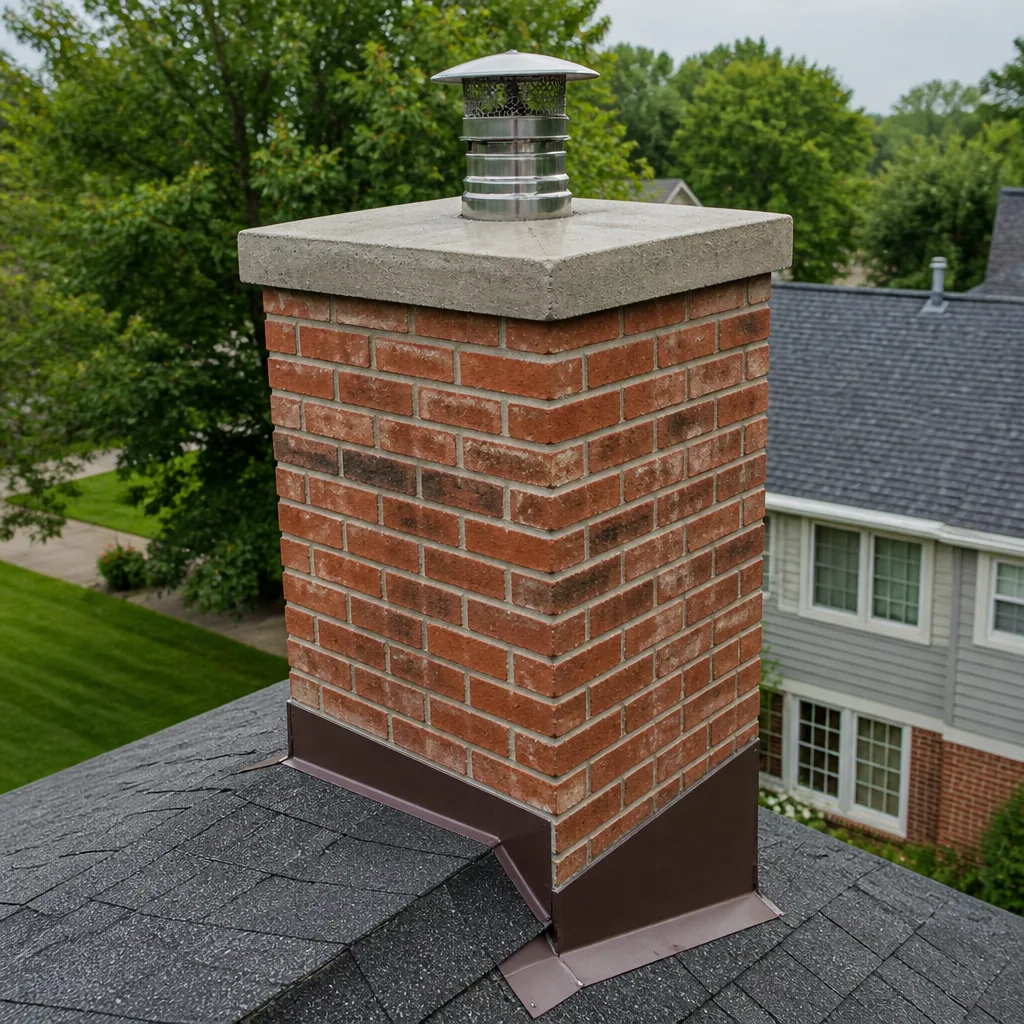 Flue relining
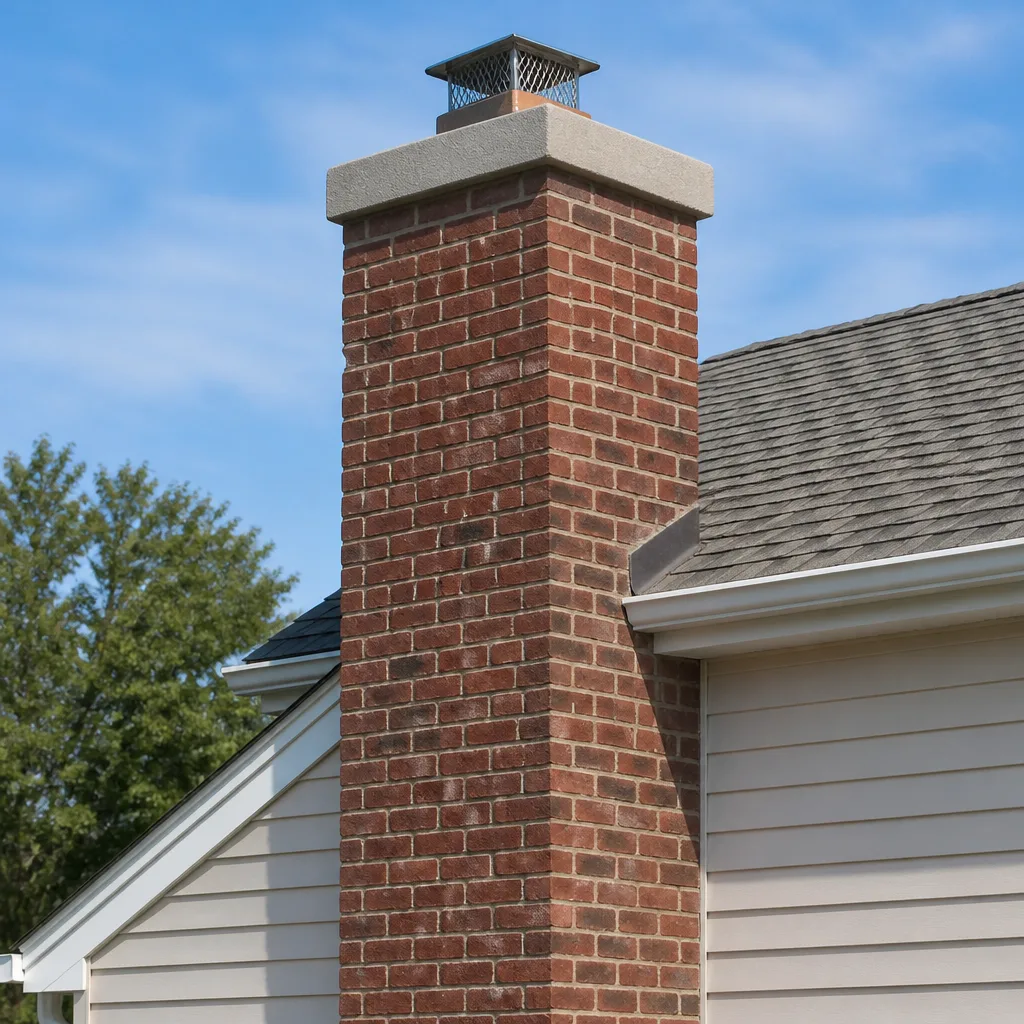 Masonry repair
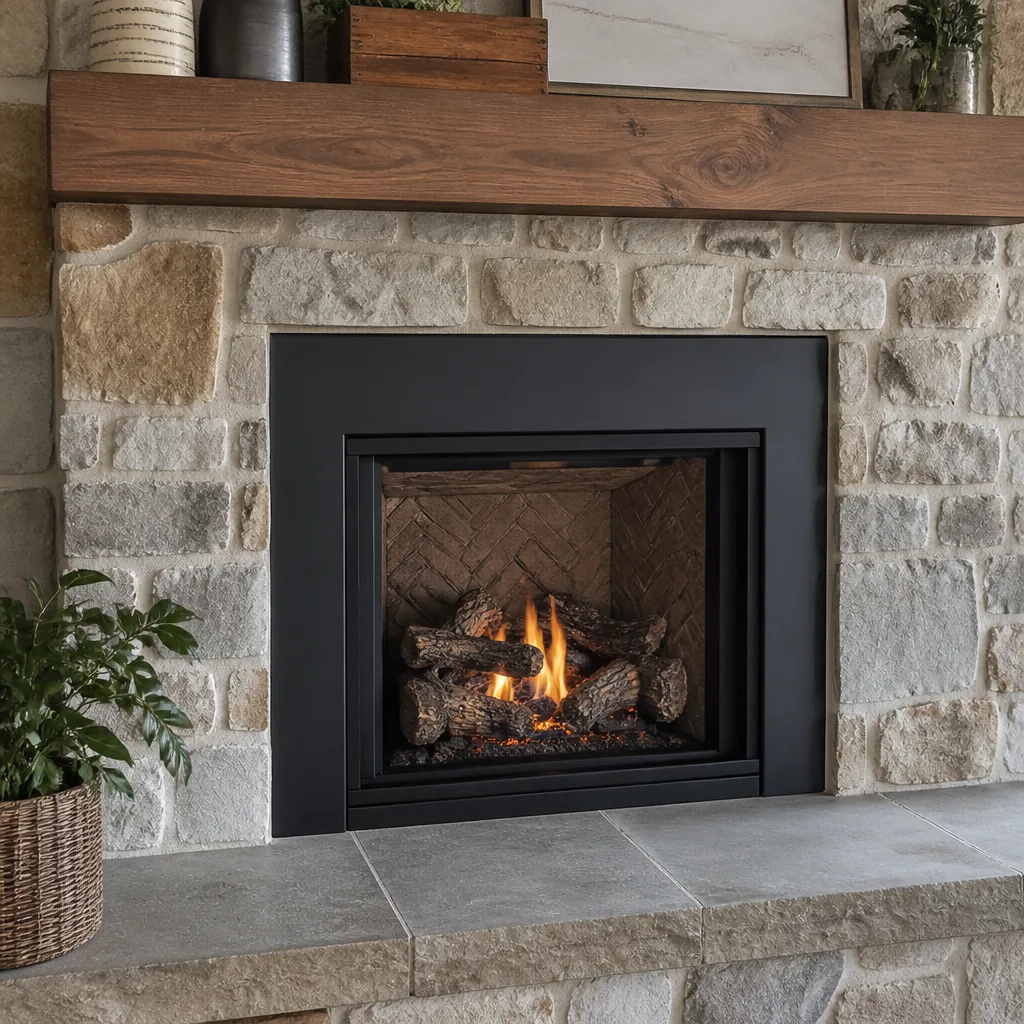 Gas fireplace service
Level 1 sweep and inspection to the NFPA 211 annual standard - flue, crown, cap, and flashing checked and photographed
Chimney sweep logs do not sweep chimneys. They loosen some creosote - which then falls where a brush and vacuum still have to collect it.
Choosing the Right Chimney Cleaning Brand: A Buyer’s Guide for Upper East Side
When a contractor replaces your chimney liner, the brand matters more than the labor. A correctly installed DuraFlex liner in a 1920s offset flue will outlast a generic flexible liner installed in the same application by a decade or more. That gap isn’t marketing, it’s metallurgy: the alloy grade, the wall thickness, the joint method. Most homeowners on the Upper East Side never see the product that goes into their chimney, and that’s exactly where the wrong material gets specified without anyone noticing. This guide walks through what the leading chimney product lines actually do, which ones suit Manhattan’s prewar masonry and climate, and how to verify that the brand written on the estimate is the brand installed in your flue.
Quick Answer
The right chimney cleaning and repair brand is the one matched to your flue type, fuel, and building age, not the cheapest line a contractor happens to stock. In Upper East Side prewar buildings, that usually means a DuraFlex stainless liner sized and graded for wood or gas, HeatShield ceramic resurfacing for spalling clay joints that don’t yet need full relining, and a correctly sized Copperfield or Famco cap and chase cover. Ask for the brand and grade in writing before work starts, and request the product documentation when the job closes.
Styles & brands we work with
- Sweep & inspection
- Caps & crowns
- Flue relining
- Masonry repair
- Gas fireplace service
Table of Contents
- Why Chimney Brands Matter More Than Most Homeowners Expect
- DuraFlex Stainless Liners: What the Alloy Grade Tells You
- HeatShield Ceramic Resurfacing: Repair or Replace?
- Caps and Chase Covers: Sizing and Material Grade
- Sealants and Waterproofing for Exposed Masonry
- How to Verify the Brand on Your Job
- Matching the Brand to the Service You Booked
Why Chimney Brands Matter More Than Most Homeowners Expect
A chimney sweep and a chimney material specifier are two different jobs, and most Upper East Side homeowners only think about the first. Sweeping removes creosote. The brand decisions happen around it: the liner that carries combustion gases, the crown that sheds water, the cap that keeps rain and animals out, the sealant that protects brick through freeze-thaw cycles. Get the sweep right and skip the material spec, and you’ve solved the smallest part of the problem.
Manhattan’s building stock makes this sharper than in most places. Upper East Side rowhouses and prewar apartment buildings routinely hold chimneys built between the 1890s and the 1930s, with clay tile liners that have been heated and cooled for a century. Those flues are offset, they’re sometimes parged with old mortar, and they sit exposed to wind up on the roofline where freeze-thaw cycling is hardest on masonry. A generic liner rated for mild service doesn’t belong in that environment.
Here’s the practical point. Brand specification is a signal of a contractor’s supply discipline. When a company carries DuraFlex, HeatShield, Famco, and Copperfield, it means the material was chosen before the job, not substituted when the truck showed up. And a homeowner who can name the right product line out loud is harder to sell a substitute on. That’s the whole reason this guide exists.
DuraFlex Stainless Liners: What the Alloy Grade Tells You
DuraFlex is a stainless steel liner system, and the single most important thing to understand about it is that “stainless” isn’t one material. Different grades of stainless resist corrosion differently depending on what’s burning in your fireplace and what condenses on the flue walls. The alloy grade is the number a contractor should be able to explain, not recite.
Wood-burning appliances produce creosote and acidic moisture. Gas appliances produce water vapor and, in some conditions, condensate that is more aggressive on certain alloys than wood smoke is. That’s why a liner grade suitable for a wood fireplace isn’t automatically the right call for a high-efficiency gas insert, and the reverse is also true. Matching grade to fuel is the first decision, and it should be made before anything is ordered.
In our experience working on Upper East Side chimneys, the flue geometry drives the second decision. Old offset flues bend around structural elements, and the liner has to flex through those bends without stressing the seams. DuraFlex’s flexible construction is designed for exactly that. For a homeowner, here’s what the specification conversation should cover:
- Fuel type and appliance: wood fireplace, gas insert, or oil appliance, each changes the recommended alloy.
- Flue interior condition: spalling, cracks, and offset geometry determine whether a flexible liner fits at all.
- Wall thickness and joint method: the two things cheap liners cut first.
- Insulation wrap: whether the liner will be insulated, and if so, what grade suits your flue clearance.
Ask the contractor which DuraFlex grade they’re specifying and why it fits your fireplace. If the answer is vague, that’s your signal to get a second opinion before signing anything.
HeatShield Ceramic Resurfacing: Repair or Replace?
HeatShield is a ceramic resurfacing system applied to the inside of a clay flue, and it belongs to a specialist category that most general chimney companies don’t offer. It’s designed to repair specific problems: spalling at the clay tile joints, hairline cracks in the flue walls, and the minor joint separations that appear as a chimney expands and contracts over decades.
What it cannot fix matters just as much. HeatShield does not correct a flue that has separated brickwork, missing tile, or a structural void. It resurfaced the interior surface, and if the tile behind the surface has gone, no coating lasts. That’s the honest boundary, and any contractor who can’t state it plainly is selling rather than diagnosing.
When is resurfacing the right call rather than full relining? The clearest cases:
- Clay tile joints show spalling but the tiles themselves are intact.
- Hairline cracks are present without any displaced masonry.
- The flue geometry is sound, so a liner would over-solve the problem.
- You want to preserve the original flue size, which a liner can reduce.
For many Upper East Side buildings with 1920s-era clay flues, resurfacing is a cost-saving answer to a problem that would otherwise be priced as a full reline. But the diagnosis has to come from camera evidence the homeowner can see. We recommend asking to watch the inspection video before any resurfacing decision is made.
For masonry concerns beyond the flue itself, see our overview of chimney repair.
Caps and Chase Covers: Sizing and Material Grade
A chimney cap looks like the simplest product on the roof and it’s where budget jobs get compromised most often. Famco and Copperfield both make professional-grade caps and chase covers, and the difference between a proper one and a generic one comes down to two variables: material grade and proper sizing.
Material grade means the stainless alloy or the galvanized coating. A thin galvanized cap in a place where freeze-thaw is hard on masonry will rust through at the seams within a few years, and once it rusts it’s no longer keeping water out. A stainless cap lasts longer, and the grade determines how long. For Upper East Side buildings where the chimney crown is exposed to every seasonal swing, the cap is doing double duty: it keeps rain out of the flue and it protects the crown and masonry top from water infiltration that drives deterioration downward.
Sizing is the second variable. A cap that is undersized, or simply sized to the flue rather than the crown, can sit wrong, vent wrong, or block the flue in ways that affect draft. A chase cover that doesn’t overhang properly lets water run behind it. These are the details a proper installation accounts for:
- Correct flue diameter and crown footprint.
- Stainless construction, with grade matched to exposure.
- Proper overhang to shed water clear of the masonry.
- Mounting that doesn’t leave gaps or penetrate the flue in the wrong place.
Our chimney cap & crown service handles Famco and Copperfield components spec’d to the chimney, not pulled off a shelf.
Sealants and Waterproofing for Exposed Masonry
Chimney waterproofing is one of the most misunderstood parts of the trade because “sealant” is used for two different categories of product. One is a penetrating sealant, which soaks into the masonry and lines the pore structure without blocking vapor transmission. The other is a surface coating, which forms a film on top of the brick. They behave very differently on a chimney in Manhattan.
Penetrating sealants are appropriate for exposed masonry that needs water to shed off but still needs to breathe. Vapor has to move out of the masonry; if it can’t, it finds a way, and the way is usually through the mortar joint where freeze-thaw cycling does its damage. Surface coatings that lock vapor inside often look fine for a season and then start trapping moisture that causes spalling and joint cracking.
Upper East Side rooflines are exposed, and chimney tops take the brunt of wind-driven rain and freeze-thaw cycling from the first cold snap through the spring thaw. The right product category here is the penetrating sealant, applied to a clean, breathable surface. The wrong category is a film-forming coating, and any recommendation to apply one to a brick chimney should prompt a question. The other half of waterproofing isn’t a product at all: it’s the crown, the cap, and the flashing. No sealant compensates for water that’s free to run behind a loose cap.
How to Verify the Brand on Your Job
The most useful skill a homeowner can build is verifying that the brand named on the estimate is the brand that goes into the work. Substitution without disclosure is a contract issue, plain and simple, and it happens because most homeowners never ask. The good news is that the process is straightforward and takes about five minutes.
- Ask for the brand and grade in writing. On the written estimate, not in conversation. “Stainless liner” is not a specification. “DuraFlex, [grade]” is.
- Ask what substitution they’d use and why. A contractor with supply depth will tell you which brands they carry and why they picked one for your flue.
- Request the product documentation at close. Brand label, grade, and warranty paper should come with the completed job.
- Compare the delivered material to the specification. If the liner arrives in a box labeled differently from your estimate, stop the job and ask.
- Confirm the scope matches. Liner, cap, crown, and weatherproofing should all appear in the estimate with brands attached, not as line items left open.
Every bit of that process assumes the contractor can produce the products. That’s why supply-chain depth is a real differentiator. A company authorized to install DuraFlex, HeatShield, Famco, and Copperfield can produce the specified material; a general handyman who picks up a liner from a home center can’t, and won’t say so.
Before we sweep, we look. Before we quote, we inspect. That sequence is what makes any brand conversation useful.
Matching the Brand to the Service You Booked
Different services in a chimney system use different brands, and it helps to see the full picture in one place. Here’s the way the products map to the work:
- Sweeping and inspection: no product brand goes in, but the inspection camera report is what drives every decision below it. One inspection covers your entire chimney system.
- Liner repair or relining: DuraFlex stainless liner system, grade matched to fuel and flue geometry.
- Flue resurfacing: HeatShield ceramic system, applied only where the diagnosis supports it.
- Cap and crown installation: Famco and Copperfield components, sized and graded for the specific chimney.
- Waterproofing: penetrating sealant appropriate for exposed masonry, with crown and cap integrity verified first.
That’s the full chimney lifecycle in one call, and it matters for accountability. When a liner company and a cap company and a mason and a sweep are all separate, the finger-pointing starts the moment something underperforms. When the inspection, the liner, the cap, and the waterproofing all come from one trade specialist, the brands are matched to each other and the responsibility lands in one place. Our technicians have up to 10 years of experience specifying these products for Upper East Side flues.
The cleaning side of the house is covered by our chimney sweep, and the full line of service is on the Chimney Sweep Upper East Side main page.
Common Mistakes to Avoid
- Accepting “stainless” as a specification. Two contractors can quote “a stainless liner” and quote materials with very different alloy grades. Ask for the brand and grade in writing, on the estimate, before work is scheduled.
- Choosing a cap by price alone. A thin galvanized cap is the cheapest line item on the roof and the fastest to rust through. In Upper East Side freeze-thaw conditions, the seams go first.
- Applying a surface coating to a brick chimney. Film-forming sealants trap vapor inside masonry and can worsen spalling over time. Penetrating sealants are the appropriate category for exposed masonry, and the difference matters.
- Approving resurfacing without seeing the camera evidence. HeatShield is the right call in some flues and the wrong one in others. The diagnosis should be visible to you before you approve the work.
- Skipping the crown and flashing inspection. Sealant on the flue walls doesn’t stop water that enters behind a loose cap or a cracked crown. All four areas belong in one inspection report.
- Relining without matching grade to fuel. A liner spec’d for a wood fireplace isn’t automatically right for a gas insert. Fuel type changes the recommended alloy.
- Letting a subcontractor substitute material after quote. If the material arriving on the job is a different brand than what’s in the estimate, that’s a contract conversation, not a courtesy call.
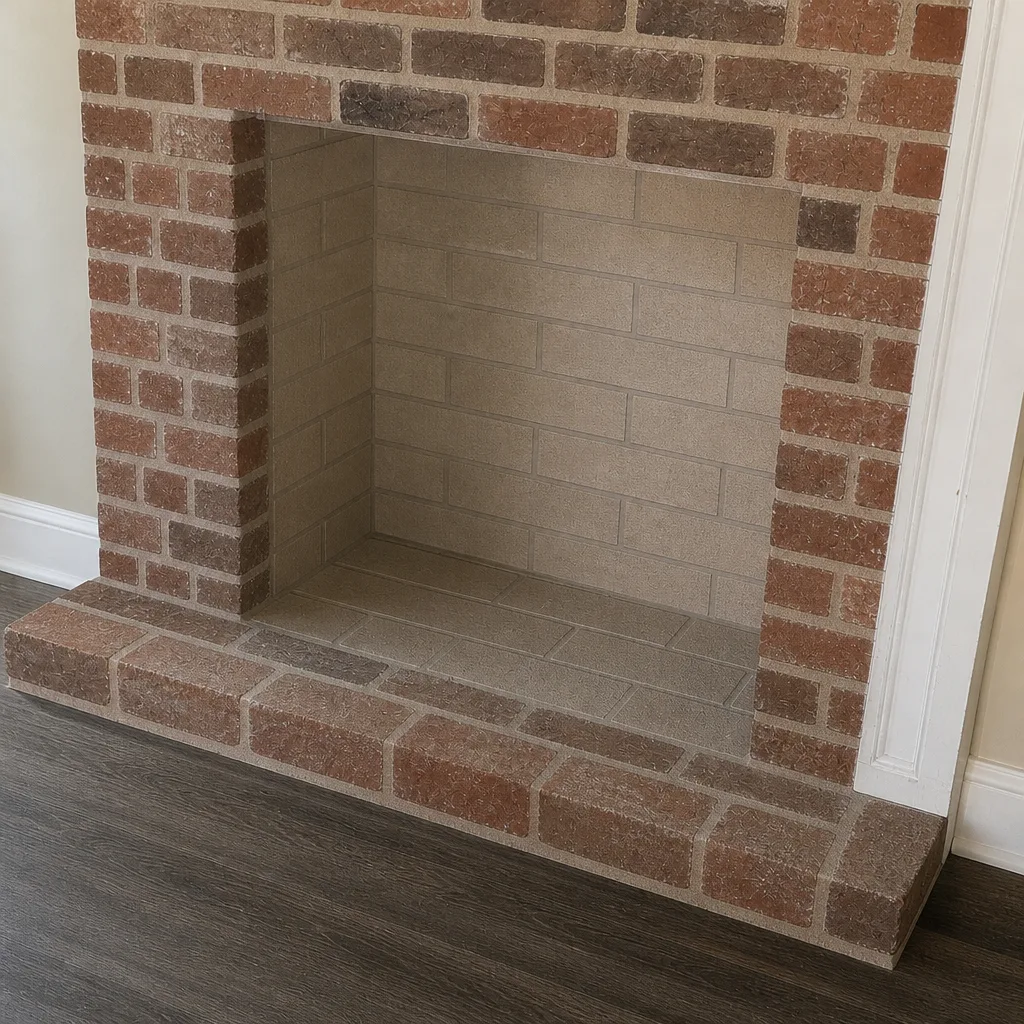
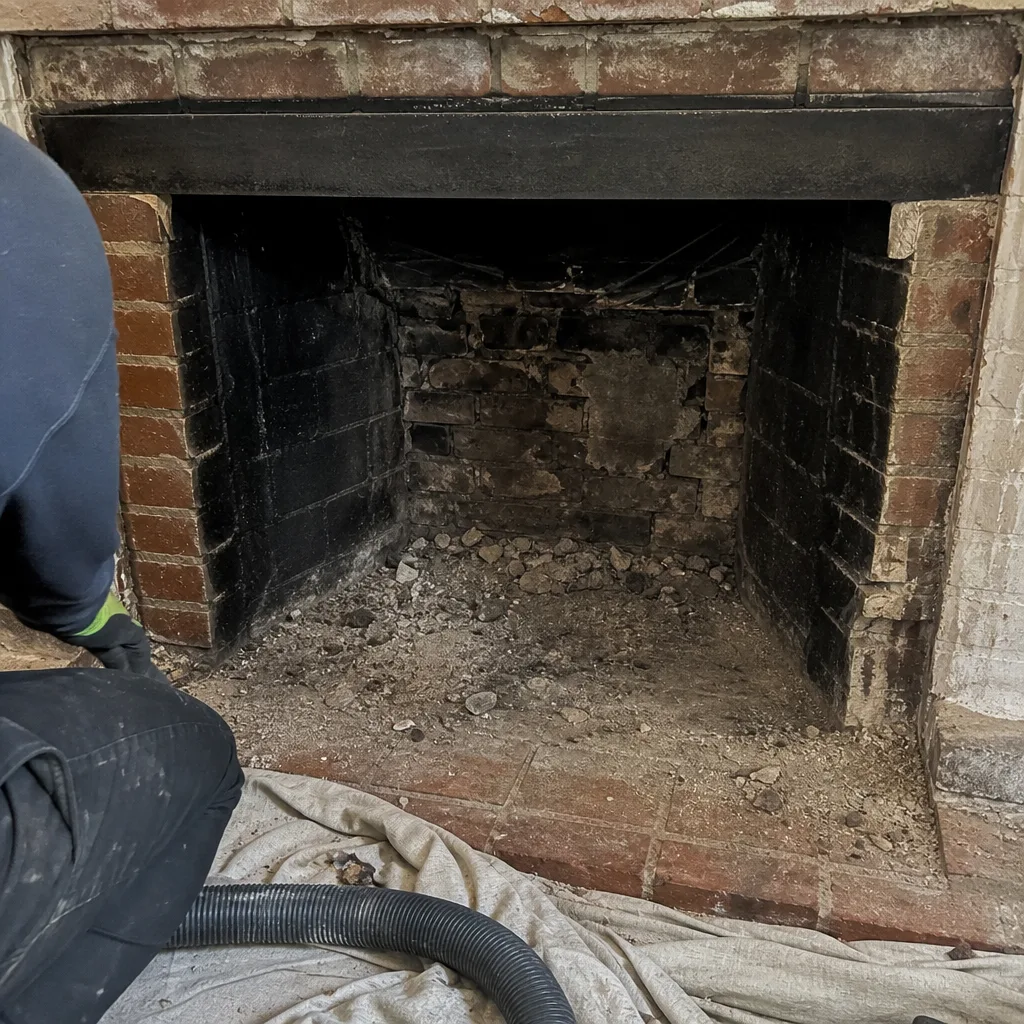
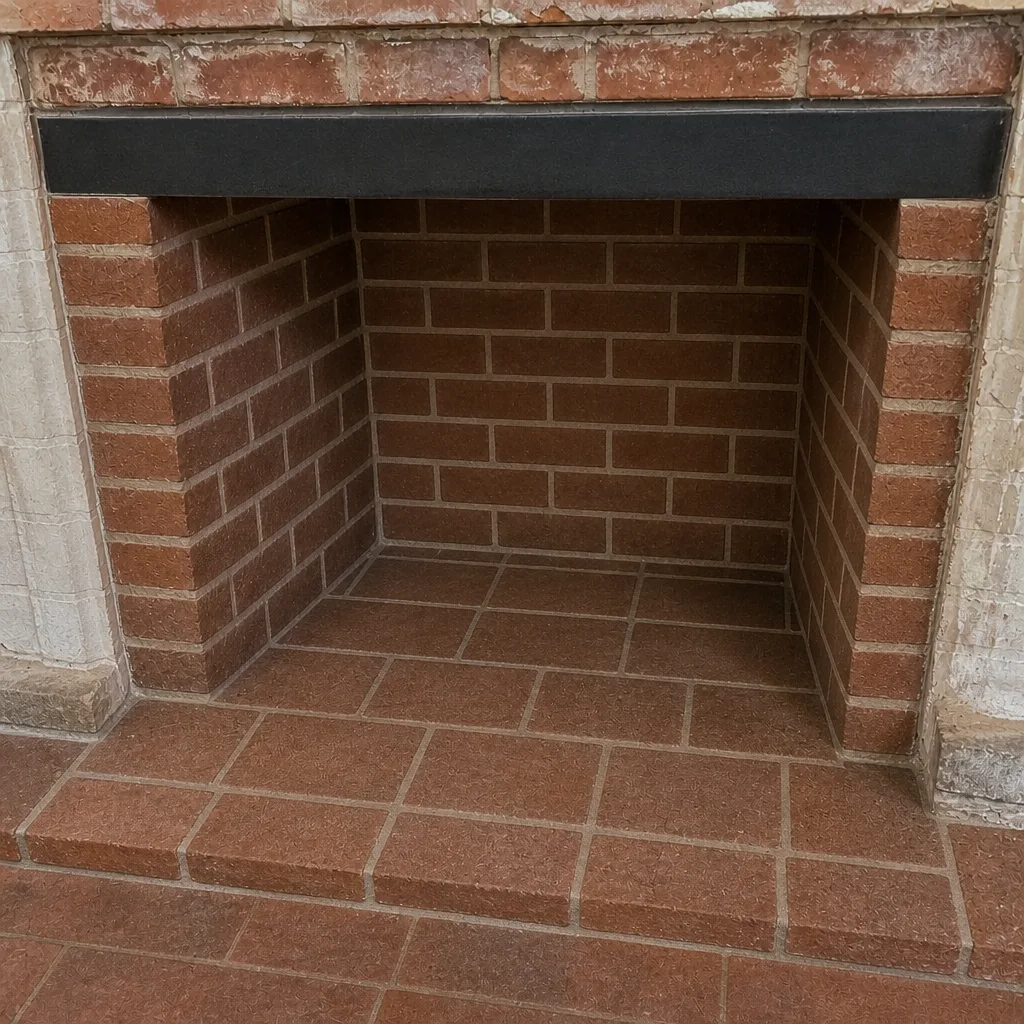
See the difference
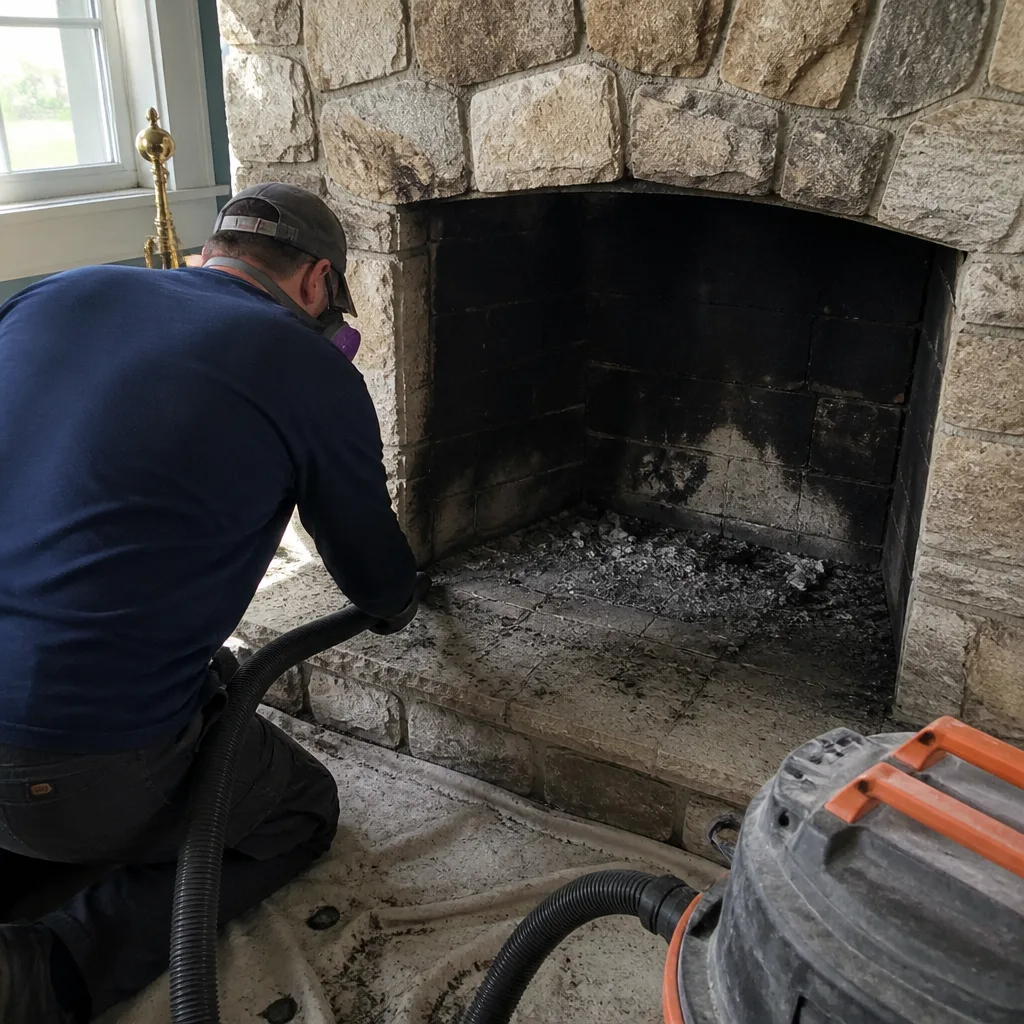 Before
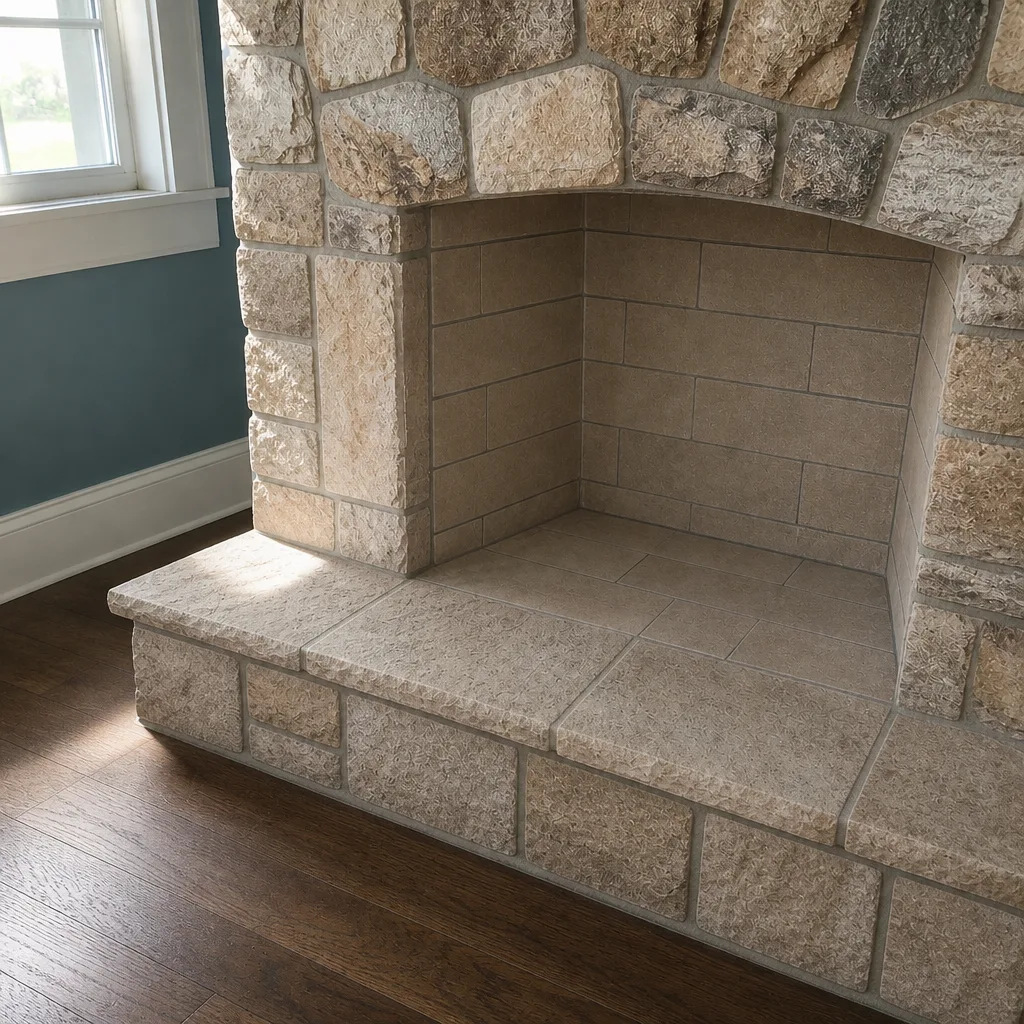 After
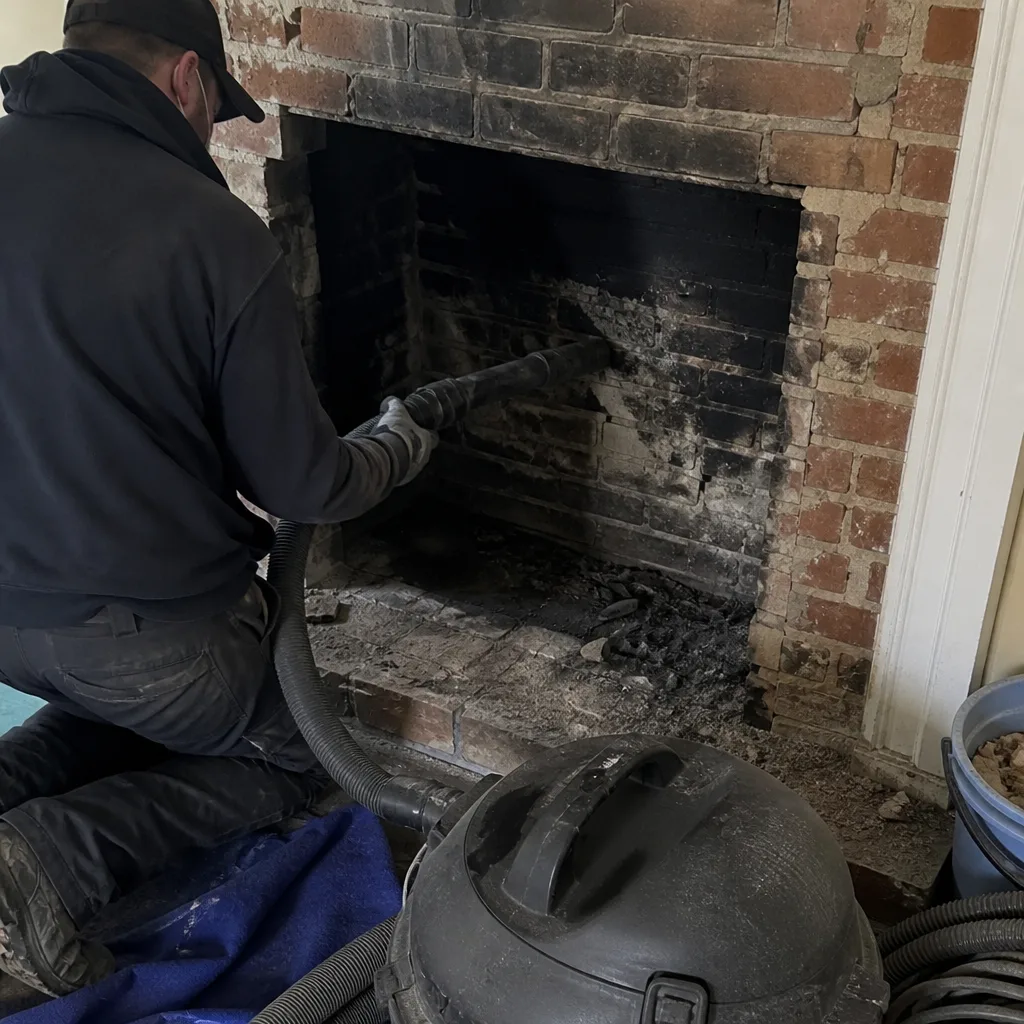 Before
 After
 Before
 After
When to Call a Professional
Some situations call for a sweep and an inspection before anything else. If your flue has never been inspected and the chimney is original to a prewar Upper East Side building, that’s the first call. If you smell creosote or notice a strong smoky odor even when the fireplace isn’t running, the flue is telling you something. If a contractor has quoted liner replacement or masonry repair and you haven’t seen the inspection video, get a second read before signing. And if you’re considering a cap, crown, or liner service and the current estimate uses vague language like “stainless” or “sealed,” pause and ask for brand and grade in writing. Chimney Sweep Upper East Side offers free estimates in Upper East Side. Call (877) 492-4134. We answer 24/7. Fast dispatch from 7am to 7pm, Sunday through Friday.
Frequently Asked Questions
Yes, and it matters more than the cleaning itself in most cases. The brand determines which liner grade, cap material, and resurfacing product goes into your chimney, and those materials set how long the work lasts. A company that carries DuraFlex, HeatShield, Famco, and Copperfield can specify correctly for your flue type; a company buying from a general supply house is limited to what that house stocks. Call (877) 492-4134 for a free estimate that names the products up front.
Ask for the brand and grade in writing on the estimate, then compare the product documentation at job close against what was quoted. A legitimate contractor will hand you the manufacturer paperwork without being prompted. If the delivered material doesn’t match the specification, that’s a contract issue and worth pausing the job over. Call (877) 492-4134 to have a brand-specified estimate put together for your chimney.
HeatShield is often less expensive than relining, but only when the diagnosis supports it. It’s designed for spalling clay tile joints and hairline cracks in an otherwise sound flue. If the tile itself has separated or there’s structural damage, resurfacing is the wrong answer regardless of price. We only recommend it when camera evidence justifies it. Call (877) 492-4134 for an inspection that shows you the evidence before any work is quoted.
The grade is determined by fuel type, flue condensation conditions, and appliance efficiency, not by the city alone. Wood fireplaces and gas inserts have different corrosion profiles, so the correct alloy is matched to the appliance rather than picked off a shelf. A contractor should be able to name the DuraFlex grade they’re specifying and explain the choice. Call (877) 492-4134 for an estimate that spells out the grade.
Look at the seams and the overhang. A cap that has rusted through at the seams, sits undersized, or doesn’t properly overhang the crown is letting water into the flue and into the masonry top. Copperfield and Famco caps with proper stainless grade and correct sizing get this right; a thin galvanized cap doesn’t last in Upper East Side freeze-thaw conditions. Call (877) 492-4134 and an inspection can tell you whether the cap is doing its job.
Annual inspection is the standard recommendation for a fireplace that’s in use, and prewar flues benefit from it because the clay tile has been through so many heating cycles. One inspection covers your entire chimney system from the firebox up, and it gives you a written baseline to compare against future years. If creosote, spalling, or cap damage is starting, you’ll know before it turns into relining. Call (877) 492-4134 to book an inspection.
The Bottom Line
The brand choices inside a chimney job are the difference between work that lasts and work that gets redone. DuraFlex liner grades, HeatShield resurfacing, Famco and Copperfield caps, and penetrating sealants for exposed masonry are the professional category, and they’re specified for a reason: Upper East Side flues are old, they’re offset, and they sit exposed to real freeze-thaw cycling. Name the products on your estimate, ask for the grade, and request the documentation when the work closes. A contractor who can produce the specified material and show you the inspection evidence is the contractor to hire. Call (877) 492-4134 for a free estimate. We answer 24/7. Fast dispatch from 7am to 7pm, Sunday through Friday.
Written by the team at Chimney Sweep Upper East Side.