
Last updated November 25, 2026
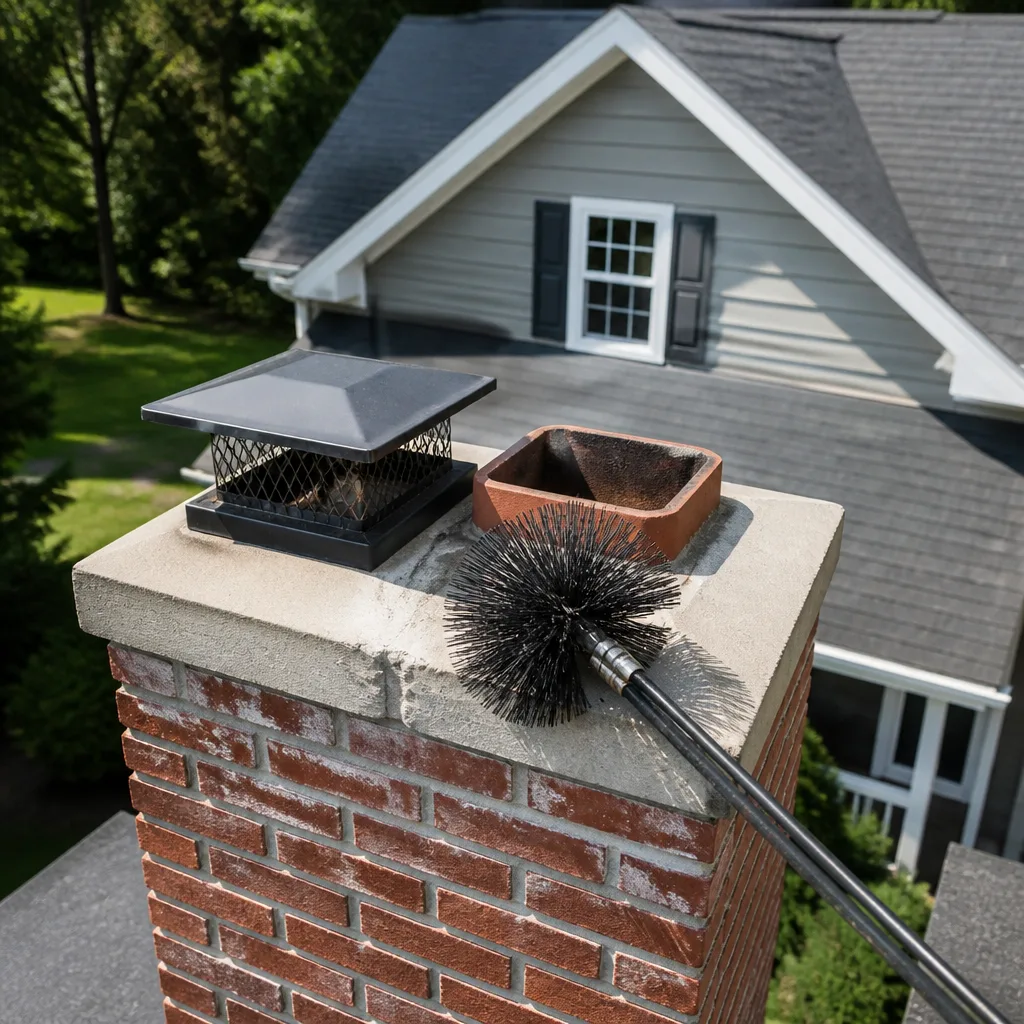 Sweep & inspection
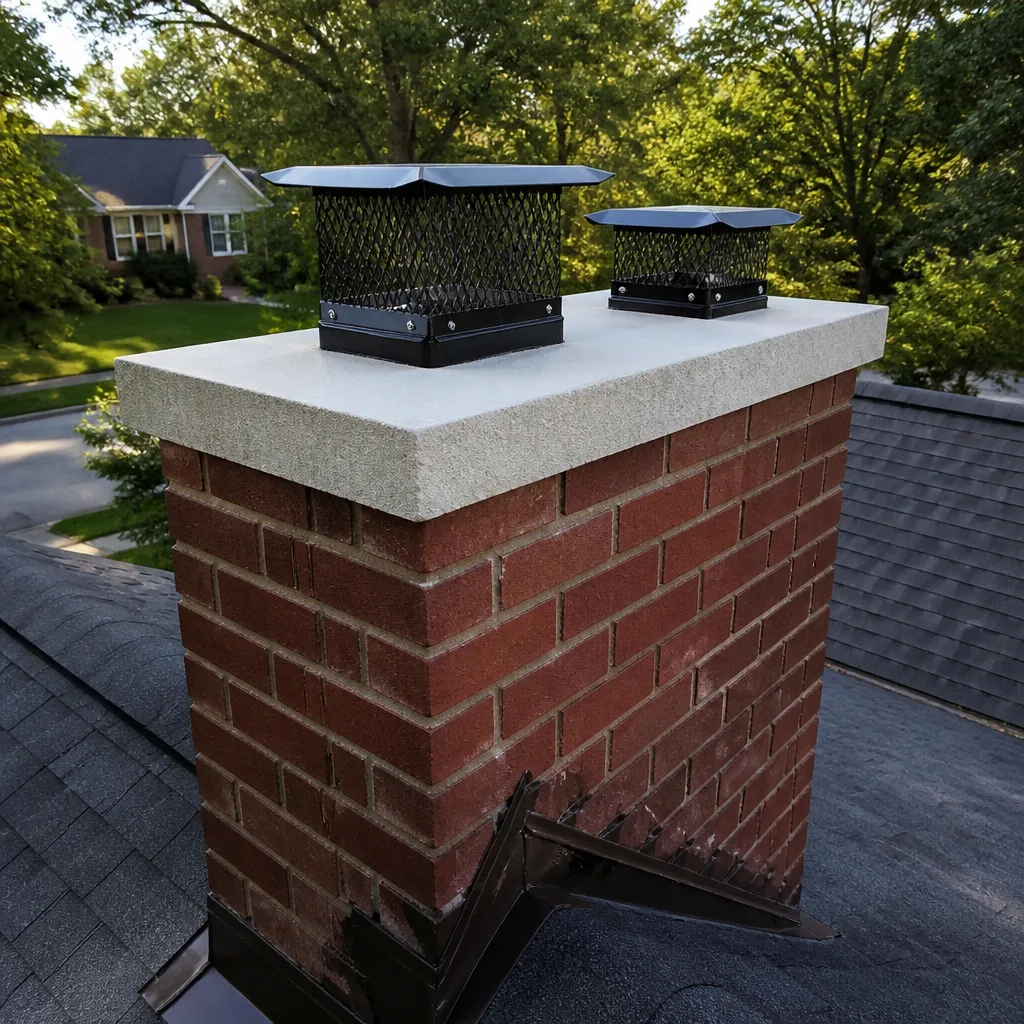 Caps & crowns
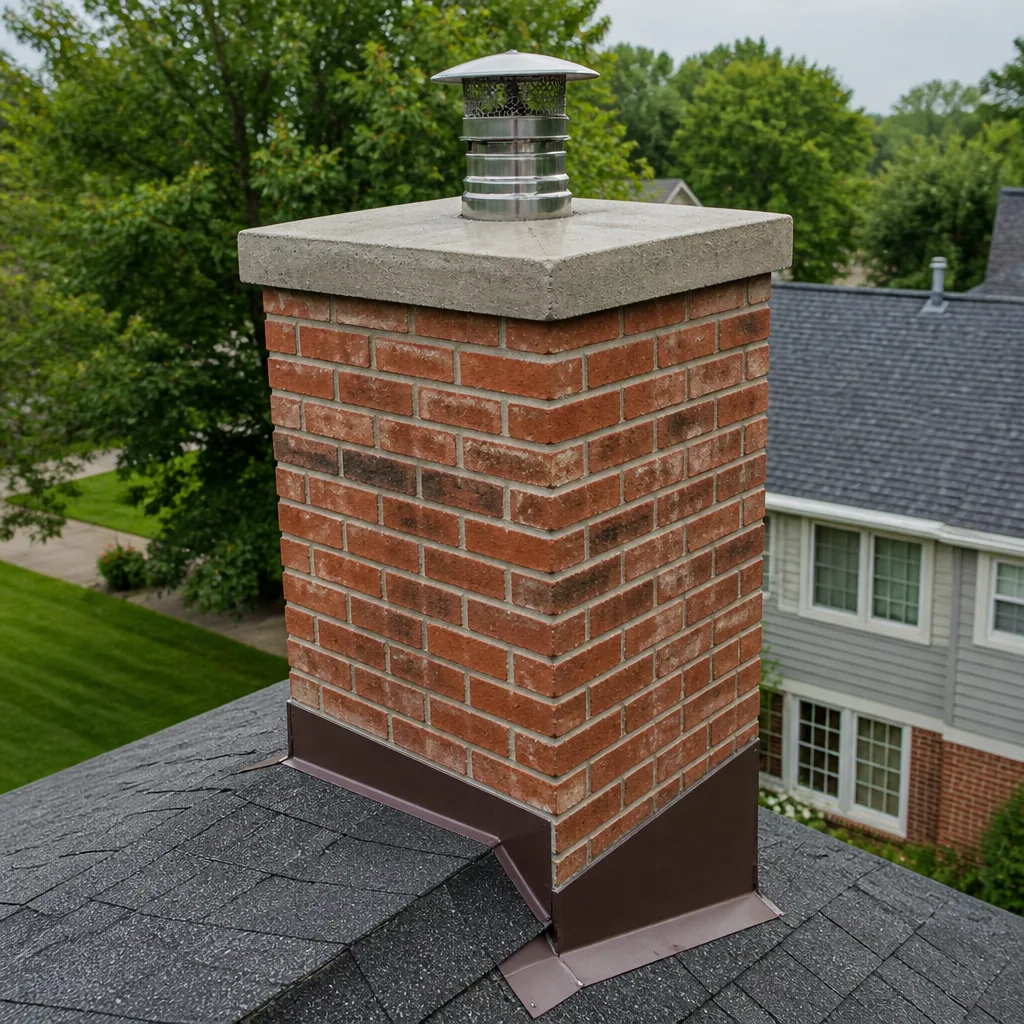 Flue relining
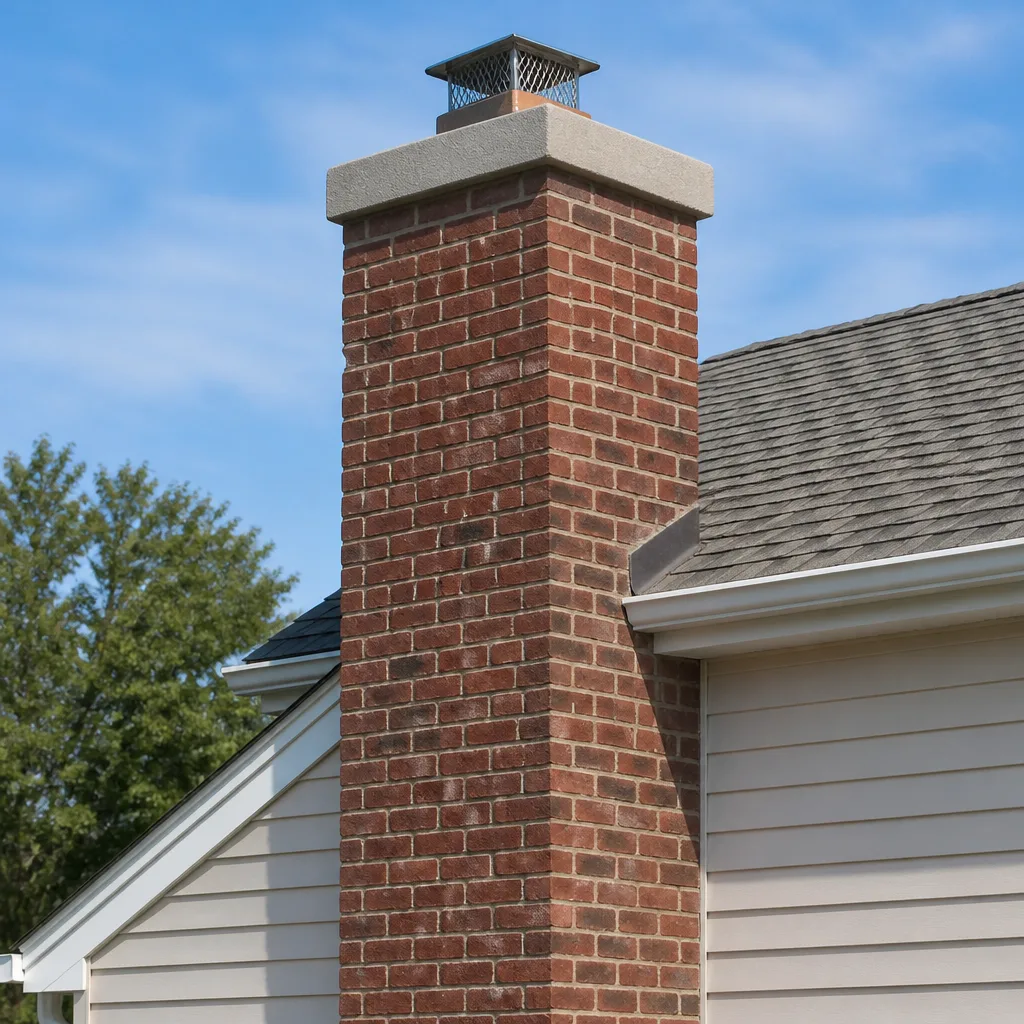 Masonry repair
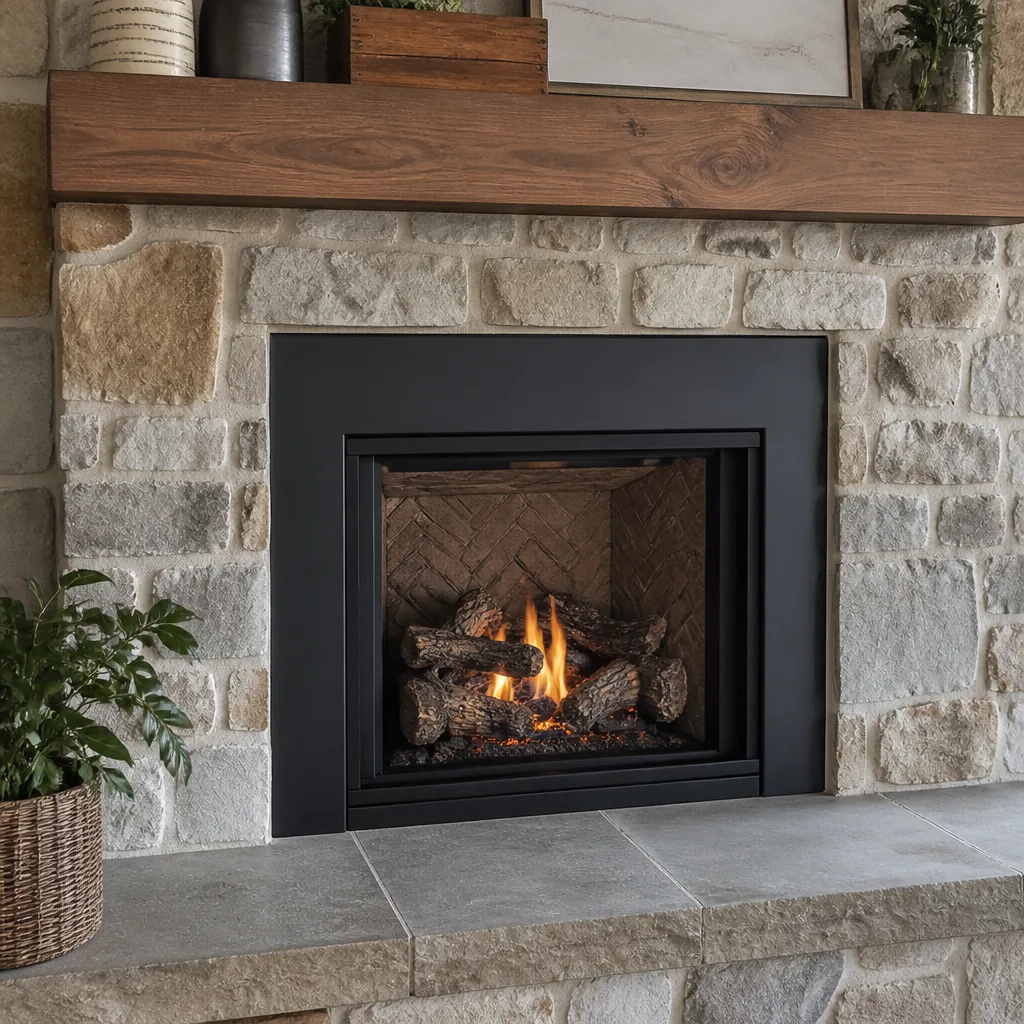 Gas fireplace service
Level 1 sweep and inspection to the NFPA 211 annual standard - flue, crown, cap, and flashing checked and photographed
Chimney sweep logs do not sweep chimneys. They loosen some creosote - which then falls where a brush and vacuum still have to collect it.
The Complete Guide to Chimney Cleaning in Upper East Side
Most chimney fires don’t start because a homeowner was careless. They start because a previous cleaning missed the shoulder of the smoke chamber, the one spot where glazed creosote builds fastest and is hardest to reach. That’s the uncomfortable truth about chimney cleaning on the Upper East Side: the work looks finished long before it actually is, and the parts that get skipped are the parts that matter. This guide walks through what a thorough cleaning actually involves, from the roofline down to the firebox, so you know what good work looks like and can recognize when it’s been done properly.
Quick Answer
Chimney cleaning in Upper East Side means removing soot and creosote from the full flue path, not just the visible firebox, and it should always be paired with a Level 1 inspection (and a Level 2 when the flue changes, a liner is replaced, or a property changes hands). The method depends on the building: prewar terra cotta liners and offset flues need rotary tooling and camera verification, and urban fireplaces usually carry a heavier creosote load than suburban ones. A proper visit runs from crown to smoke shelf and finishes with a report you can read.
Styles & brands we work with
- Sweep & inspection
- Caps & crowns
- Flue relining
- Masonry repair
- Gas fireplace service
Table of Contents
- Why Chimney Cleaning Matters More in Upper East Side Buildings
- How Prewar and Postwar Construction Changes the Cleaning Protocol
- Level 1 vs. Level 2 Inspection: What Each One Covers
- The Urban Creosote Profile: Why Stage 2 and Stage 3 Build Up Faster Here
- The Tools a Qualified Sweep Should Bring
- The Exact Sequence of a Professional Cleaning
- What Chimney Cleaning Costs in Upper East Side
- How Often Should You Schedule a Cleaning?
Why Chimney Cleaning Matters More in Upper East Side Buildings
Chimney cleaning in Upper East Side is not the same job as it is in a suburban house with a straight, modern flue. Most of the residential fireplace stock here sits inside prewar and early postwar buildings, and those buildings were designed before modern flue geometry was standardized. That means offsets (jogs in the flue path), shared masonry stacks, terra cotta tile liners with visible joints, and smoke chambers shaped in ways that trap creosote at the shoulder rather than letting it drain down.
The result is that a cleaning method built for a straight flue leaves deposits where nobody looks. We’ve seen fireplaces cleaned to a shine at the firebox and left almost untouched twelve feet up, past the first offset. The homeowner had no way to know, because the fire burned fine afterward. It usually does, until it doesn’t.
There’s another Upper East Side-specific factor: building stack dynamics. In a tall building, the chimney shares structural masonry with neighboring flues and the surrounding walls. Draft character changes with the season, with how many units are running their fireplaces, and with the outdoor temperature differential. That doesn’t change what cleaning is, but it does change how much soot accumulates and where. A sweep who understands tall-building draft patterns knows to check the upper flue sections carefully even when the firebox looks clean.
Our approach at Chimney Sweep Upper East Side is to treat every visit as a full-system job. Before we sweep, we look. Before we quote, we inspect. The chimney is the whole path, not just the part you can see from the hearth, and the difference in outcome between those two views is exactly what this guide covers.
How Prewar and Postwar Construction Changes the Cleaning Protocol
A chimney in a 1920s co-op on the Upper East Side presents a very different cleaning problem than one in a postwar building three blocks away, and different again from a suburban colonial. The materials differ, the geometry differs, and the deposits behave differently. Here’s the practical breakdown.
Prewar buildings: terra cotta and offsets
Prewar Upper East Side construction typically uses terra cotta tile liners mortared in sections. Those joints are the critical inspection point. Soot and creosote collect on the rough surface of the joints, and a liner can pass a visual check while a joint halfway up has separated. Cleaning in these flues requires rotary tooling sized to the actual cross-section, because the standard brush method leaves material undisturbed at every offset and joint.
Offsets are the other prewar complication. A flue that jogs around a structural beam creates two corners where creosote settles. Those corners aren’t reachable with a straight drop brush. They need a rotary whipping head, run slowly, with the technician controlling the line from the top and confirming progress from below with a camera.
Postwar and mid-century buildings: shorter runs, different wear
Postwar Upper East Side fireplaces tend to run shorter flues with fewer offsets, but those shorter runs also burn less efficiently, which means cooler flue gas, which means more condensation on the liner wall, which means softer, stickier creosote that clings rather than flakes. It’s a different cleaning problem. The tooling is similar, but the technician has to handle the soot profile differently, because soft creosote smears under pressure instead of breaking cleanly.
What this means for your visit
When you book a cleaning, ask the sweep what they expect from your building type. A sweep who can tell you the difference between terra cotta with offsets and a straight postwar liner knows what they’re walking into. A sweep who says “it’s all the same” hasn’t done their homework on Upper East Side buildings.
Level 1 vs. Level 2 Inspection: What Each One Covers
The chimney industry recognizes three inspection tiers, and knowing which one you’re getting (and when it’s actually required) is the difference between hiring a sweep and hiring a sweep who also inspects. Every cleaning visit should include at least a Level 1 inspection. Some require a Level 2.
Level 1 inspection
A Level 1 is the standard inspection performed during a routine cleaning. It covers all readily accessible portions of the chimney, including the firebox, damper, smoke chamber, flue interior (as far as visible), and the cap and crown from the roof. It’s a check for buildup, blockage, damage, and anything that would compromise safe operation. Every cleaning visit by Chimney Sweep Upper East Side includes a Level 1 inspection with a photo report.
Level 2 inspection
A Level 2 inspection goes further. It covers every accessible portion of the chimney, including areas that need access through the attic or roof and areas that require closed-circuit camera inspection of the flue. It’s the standard required for any of the following:
- A change in fuel type (for example, converting from gas back to wood)
- Replacement or repair of the liner
- A property transfer (sale, refinance, or change of ownership)
- An event that could damage the chimney (a chimney fire, earthquake, or severe weather)
- Any time conditions are suspected that a Level 1 can’t confirm
Level 3 inspection
A Level 3 is diagnostic and invasive, and it’s used only when a Level 2 can’t establish the condition of the chimney. That usually means removing a wall panel or uncovering concealed sections of the masonry or liner. It’s rare, and a reputable sweep will explain exactly why it’s being proposed and show you the evidence before recommending it. If a sweep jumps straight to Level 3 without a Level 1 or 2 in between, ask questions.
In Upper East Side co-op buildings, a Level 2 is frequently warranted simply because flue access is more complex than in a suburban home, and the building’s shared stack makes camera inspection the only way to see what’s actually happening inside the flue. This is where our experience with closed-circuit camera systems makes a real difference. We’re not guessing at what’s up there. We’re showing it to you.
The Urban Creosote Profile: Why Stage 2 and Stage 3 Build Up Faster Here
Creosote is a natural byproduct of burning wood or any solid fuel, and it accumulates differently depending on how the fireplace is used. Urban fireplaces on the Upper East Side tend to accumulate a heavier creosote load and a more dangerous type of creosote than fireplaces in homes where the fire burns constantly through the heating season. Here’s why.
Shorter burn cycles
In a suburban home, a fireplace might run consistently through the colder months, and the flue stays warm between fires. On the Upper East Side, most fireplaces see short, recreational burn cycles: a fire on a cold evening, then off for days. Every one of those short fires produces a warm flue that cools rapidly afterward, and that cooling is when volatile gases condense on the flue wall and turn into creosote. The fuel is burning less completely, the flue stays cooler overall, and the condensation cycle repeats.
Fuel switching
Many Upper East Side fireplaces have been converted from wood to gas at some point and possibly converted back. A gas fireplace produces very little creosote, but the paperwork and inspection history often doesn’t tell you how long the chimney burned wood before that, or whether a cleaning was ever done before the gas logs went in. If you’ve recently converted back to wood, assume the flue may be carrying creosote from a prior era of use. A Level 2 inspection before your first fire is the right call.
Stage 1, Stage 2, and Stage 3 creosote
- Stage 1: Light, flaky soot that brushes off easily. This is normal accumulation.
- Stage 2: Denser, crusty deposits, often with a glossy appearance, that cling to the flue wall and require rotary tooling to remove.
- Stage 3: Glazed, hardened creosote that has essentially baked itself into a tar-like layer. It’s highly flammable, and it can’t be removed with a standard brush at all.
Stage 3 creosote is the condition most responsible for chimney fires, and it’s the reason the shoulder of the smoke chamber matters so much. That’s where creosote reaches the highest concentration, because it’s where the smoke cools slightly before it enters the flue. In our experience across Upper East Side buildings, Stage 2 and Stage 3 deposits are common enough that we check that shoulder as a matter of routine on every visit.
Removing Stage 3 requires rotary whipping or, in some cases, chemical treatment followed by rotary cleaning. Where the liner itself has been compromised by repeated Stage 3 exposure, we can apply the HeatShield ceramic resurfacing system to restore flue integrity without full liner replacement. It’s a specialist-only product, and it’s a cost-saving option most general sweeps can’t offer.
The Tools a Qualified Sweep Should Bring
The tools a sweep brings tell you immediately whether the job will be done properly. A standard hand brush and a shop vacuum are not a chimney cleaning setup. A qualified sweep arrives with equipment designed to clean a flue, contain the mess, and verify the result. Here’s what you should expect on a professional visit.
Rotary cleaning systems
Rotary tooling is what makes offset flues and terra cotta liners actually clean. A rotary head spins at controlled speed and, run slowly, breaks up Stage 2 deposits and knocks down the rough interior of a tile liner that a straight brush slides past. If a sweep shows up without rotary equipment, the cleaning will not reach the corners and joints that matter.
Closed-circuit cameras
A camera is how you and the technician both see what’s happening inside the flue. It’s how a joint separation is confirmed. It’s how a Stage 3 deposit is verified as gone rather than just visually obscured. It’s how we photograph the result for your report. Without a camera, the inspection is you being told, not shown.
HEPA vacuums
A HEPA-filtered vacuum creates negative pressure in the firebox while the flue is being cleaned, which keeps soot and dust in the chimney system rather than in your living room. In an Upper East Side apartment, that matters twice as much as in a detached house, because fine dust migrates through the whole unit if it gets out.
Drop cloths and protection
Floor protection, furniture covers, and a sealed work area are standard. A sweep who doesn’t put down protection before starting is telling you something about how they work.
Red flags
- No camera inspection on a Level 2 or on any flue with offsets
- No HEPA vacuum, or a shop vac in place of one
- No rotary tooling, only a hand brush
- No written report or photos after the visit
- No mention of a Level 1 or Level 2 inspection as part of the cleaning
- A quote given before the flue has been inspected
The Exact Sequence of a Professional Cleaning
Chimney cleaning follows a specific order from top to bottom, and knowing the sequence lets you confirm the work was actually done. It’s also the sequence that produces a defensible report, because each step builds evidence for the next. This is the process we follow on every Upper East Side visit.
- Crown and cap inspection from the roof. Before anything is cleaned, we check the crown for cracking, the cap for damage, and the flue opening for obstructions (nests, debris, or a collapsed tile). This step tells us what condition the flue is in before anything goes down it. If the cap is damaged, we can address it with a Famco or Gelco cap during the same visit.
- Interior setup and protection. Drop cloths go down, furniture moves, and the HEPA vacuum is connected and running before the flue is opened at the firebox end.
- Firebox and damper check. We inspect the firebox masonry for cracks, check the damper for operation and fit, and note anything that would need repair before the first burn of the season.
- Smoke chamber inspection. The smoke chamber is the area directly above the damper and below the flue. It’s where the shoulder is. This is where we specifically check for Stage 3 deposits and where most of the deposits in urban fireplaces actually sit.
- Flue cleaning with rotary tooling. Starting from the top, the rotary head runs the full length of the flue, breaking up deposits and cleaning tile joints. Offsets take longer, and the technician confirms progress from below with the camera.
- Camera verification. After cleaning, the camera runs the flue again. This is where we confirm that deposits are actually gone, not just reduced, and where we photograph any joint separation or damage for your report.
- Crown and cap re-check and photo report. Finally, we return to the roof, confirm the crown and cap are in good condition, and produce a photo report documenting what we found, what we cleaned, and anything that needs attention.
That’s seven steps, and every one of them is verifiable. A sweep who skips step 4, or who finishes without step 6, has not done the job. That’s why we say the difference is not the sweep, it’s the sequence.
What Chimney Cleaning Costs in Upper East Side
Chimney cleaning in Upper East Side typically runs from about $220 to $450 for a standard cleaning, depending on flue configuration, offset count, and creosote severity. A Level 2 inspection with camera is usually an additional $180 to $320. Repairs, cap and crown work, and liner restoration are quoted separately after inspection, with a written estimate that sets the final price.
| Service | Typical Estimated Range |
|---|---|
| Standard chimney cleaning (Level 1 inspection included) | $220 – $450 |
| Level 2 inspection with closed-circuit camera | $180 – $320 |
| Stage 3 creosote removal (rotary + chemical treatment) | $350 – $650 |
| Chimney cap installation (Famco or Gelco) | $250 – $550 |
| Crown repair or rebuild | $450 – $1,200 |
| HeatShield ceramic flue resurfacing | $1,200 – $2,800 |
| Liner repair or partial replacement (DuraFlex, Olympia Chimney, Copperfield) | $1,500 – $4,500 |
These are estimates, not quotes. The written estimate sets the final price, and we don’t begin any repair work without one. Inspection visits come with a camera inspection and photo report included, so you can see exactly what we saw before you approve any work. If nothing needs to be done, we’ll say so. Some Upper East Side flues simply need a cleaning and a Level 1, and that’s the whole visit.
Pricing in Upper East Side runs higher than what you’ll find quoted for suburban work, for two reasons that have nothing to do with the sweep’s markup. First, building access and roof work in a Manhattan prewar building are more complex, and the technician has to plan the roof visit around building logistics. Second, offset flues and terra cotta liners take longer to clean properly than a straight modern flue, and longer jobs cost more. That’s the honest explanation, and it’s why a sweep quoting the suburban rate is likely planning a suburban cleaning.
How Often Should You Schedule a Cleaning?
Schedule a chimney cleaning at least once a year if you burn wood regularly, and once every two years if the fireplace sees only occasional use. The industry standard is annual for active fireplaces, and annual for any chimney that has been in use since its last cleaning. In Upper East Side buildings, we lean toward the annual schedule because the short-burn pattern accelerates creosote buildup.
Where to look for buildup
You can’t see creosote through the firebox, and that’s the point. But you can check for a few signs from below: a heavy, flaky layer of soot visible on the smoke chamber walls when you shine a light up, a buildup of dark material on the damper or firebox surface, or a strong creosote smell when the fireplace isn’t running. None of those confirm a clean flue, and none of them are a substitute for an inspection, but they’re the signals that tell you it’s time to book.
The seasonal timing
In Upper East Side, the right time to book is before the first cold stretch, when the fireplace goes from occasional to regular. That’s usually early autumn. Booking before the season starts avoids the late-autumn rush, gives you time to address any repair that needs a follow-up visit, and makes sure the flue is clean the first time you light a fire rather than three fires in.
What happens if you skip it
Skipping a cleaning doesn’t fail immediately. It fails at the point where creosote in the flue reaches a concentration that can ignite, and that point is impossible to predict because it depends on how you burn and how the flue drafts. What’s predictable is this: Stage 2 creosote that isn’t removed this season becomes Stage 3 creosote by the next, and Stage 3 costs more to remove because it needs chemical treatment and rotary work rather than a standard cleaning. Skipping the annual cleaning doesn’t save money; it defers a larger bill.
There’s also the safety question. A blocked or heavily creosoted flue doesn’t vent properly, and improper venting is how carbon monoxide backs into a living space. That risk exists in any chimney, but it’s higher in older buildings with offset flues and complex stack geometry. We take it seriously, and we’d rather tell you nothing is wrong than tell you nothing is wrong when we haven’t checked.
Common Mistakes to Avoid
- Assuming the firebox is the chimney. A cleaned firebox and a clean flue are two different jobs. If a sweep finishes in fifteen minutes and never went to the roof, the flue wasn’t cleaned.
- Skipping the smoke chamber shoulder. The shoulder gathers the highest concentration of creosote in the whole chimney, and it’s the spot most visits miss. If a sweep can’t tell you what the smoke chamber looked like, the inspection wasn’t done.
- Taking a quote before an inspection. No honest sweep knows what a chimney needs before seeing inside it. A quote given over the phone is a guess dressed as an estimate; the written estimate after inspection is the real number.
- Hiring a generalist handyman to do chimney work. Chimney cleaning is a specialist trade with its own tooling, its own inspection standards, and its own product knowledge. A handyman with a brush doesn’t have the rotary systems, the cameras, or the HEPA setup. Our position is simple: this is a dedicated trade, not an add-on service.
- Treating gas fireplace conversion as a fresh start. A fireplace that was wood-burning before a gas conversion carried its creosote history with it. The assumption that a conversion erases the old buildup is one of the more expensive mistakes in Upper East Side buildings.
- Waiting for the smell. Creosote doesn’t announce itself with smell until it’s heavy. The annual cleaning exists precisely because the silent stage is the long one.
- Mixing brands across the liner and cap. When components are sourced from different manufacturers without matching, the warranty coverage can fall between the gaps. Using a matched DuraFlex, Olympia Chimney, or Copperfield system from the same installer keeps the accountability in one place.
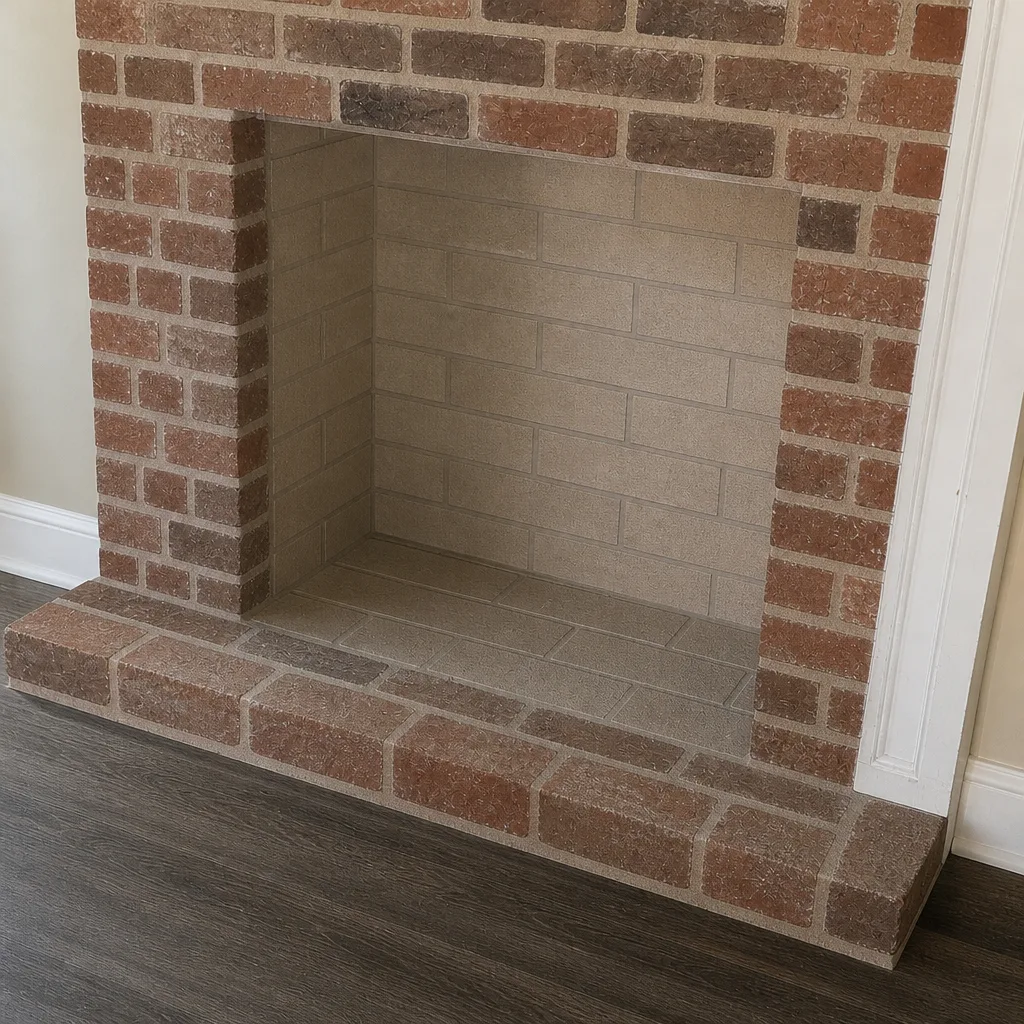
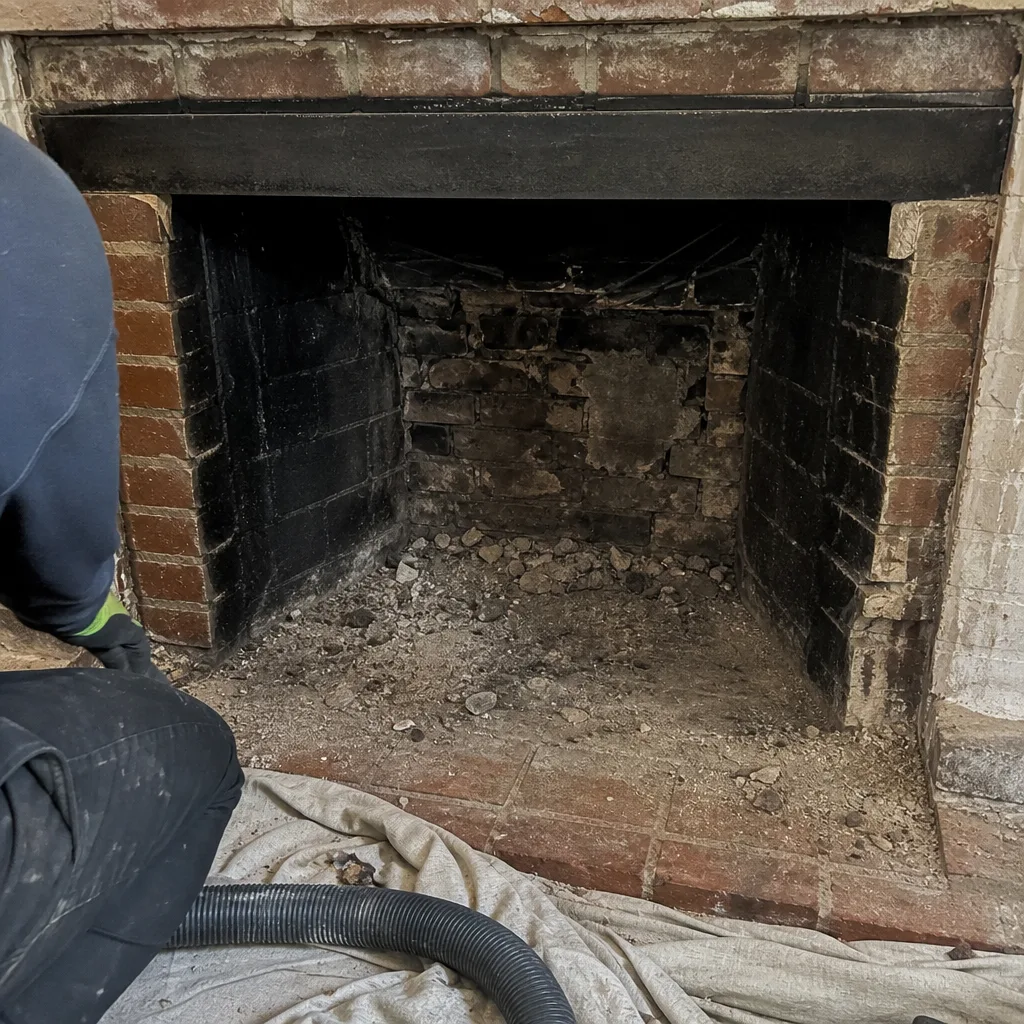
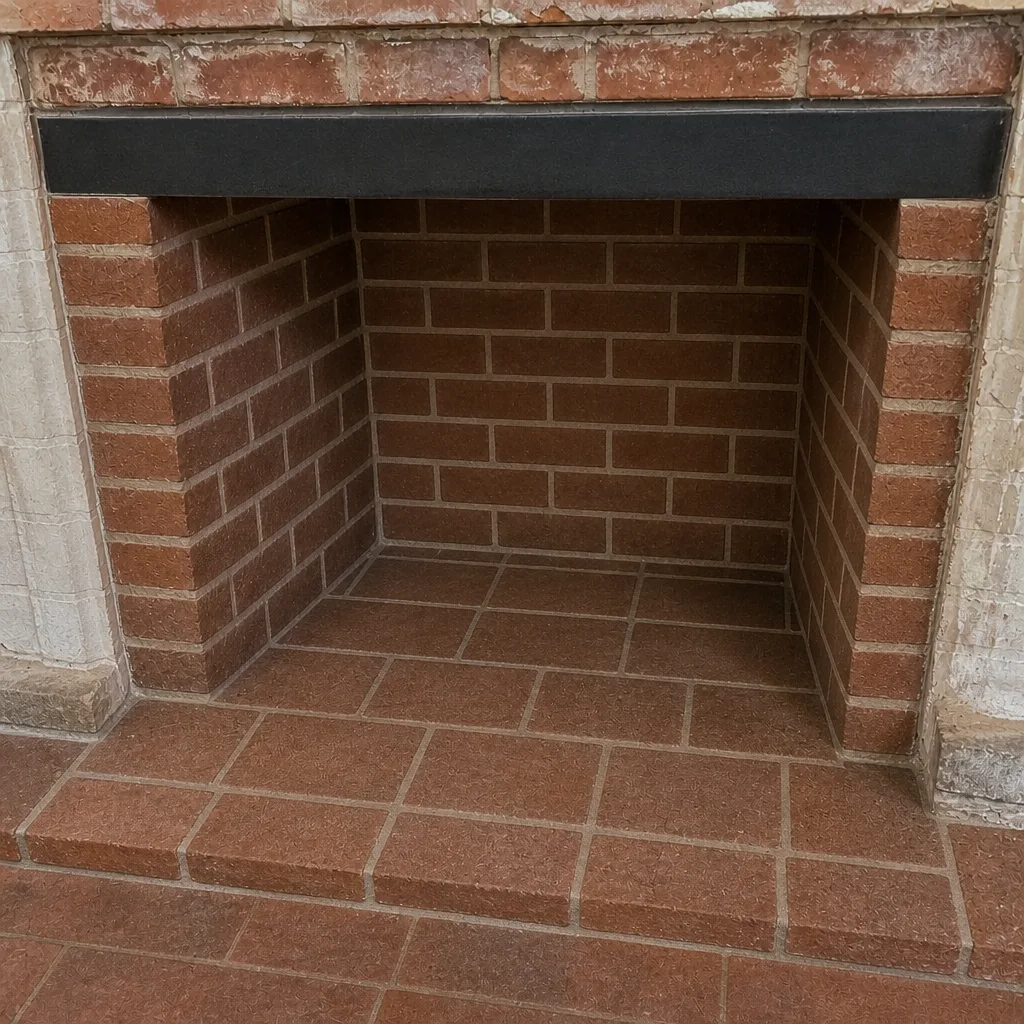
See the difference
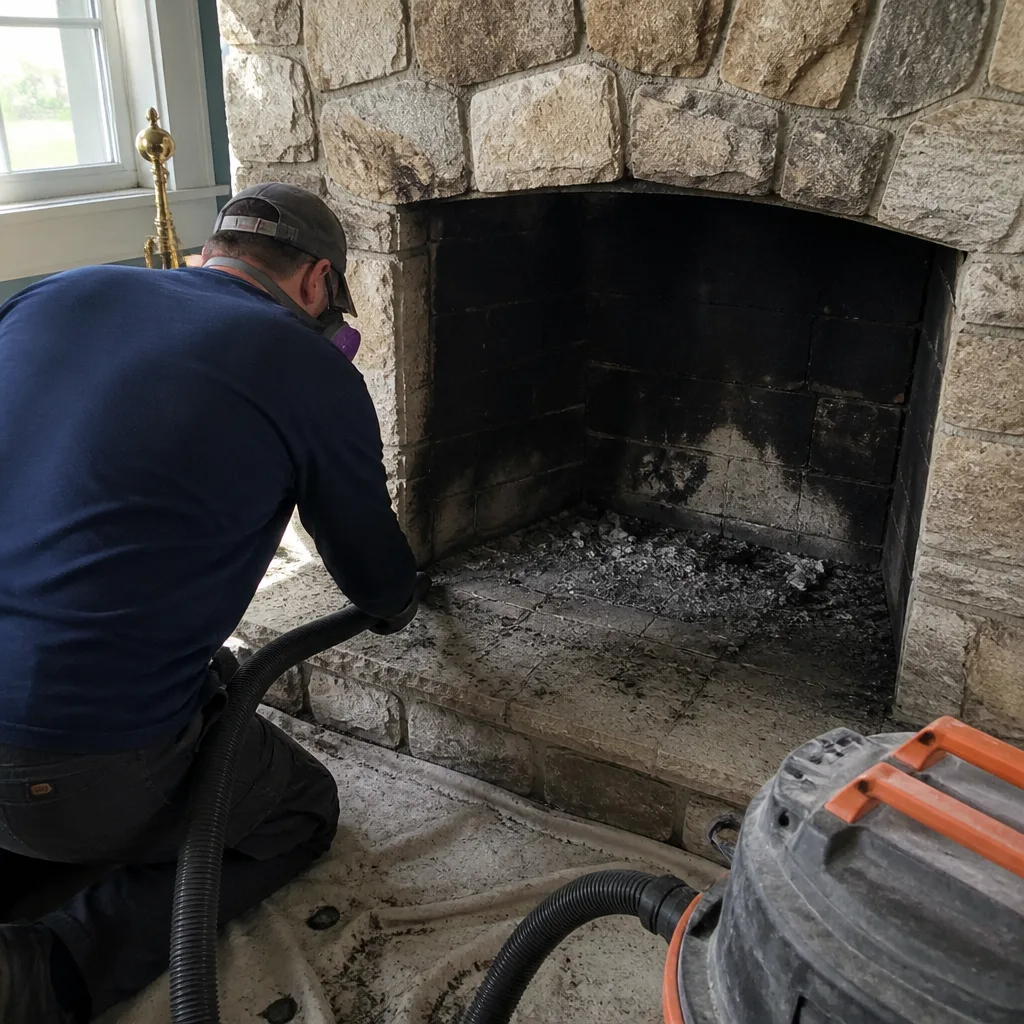 Before
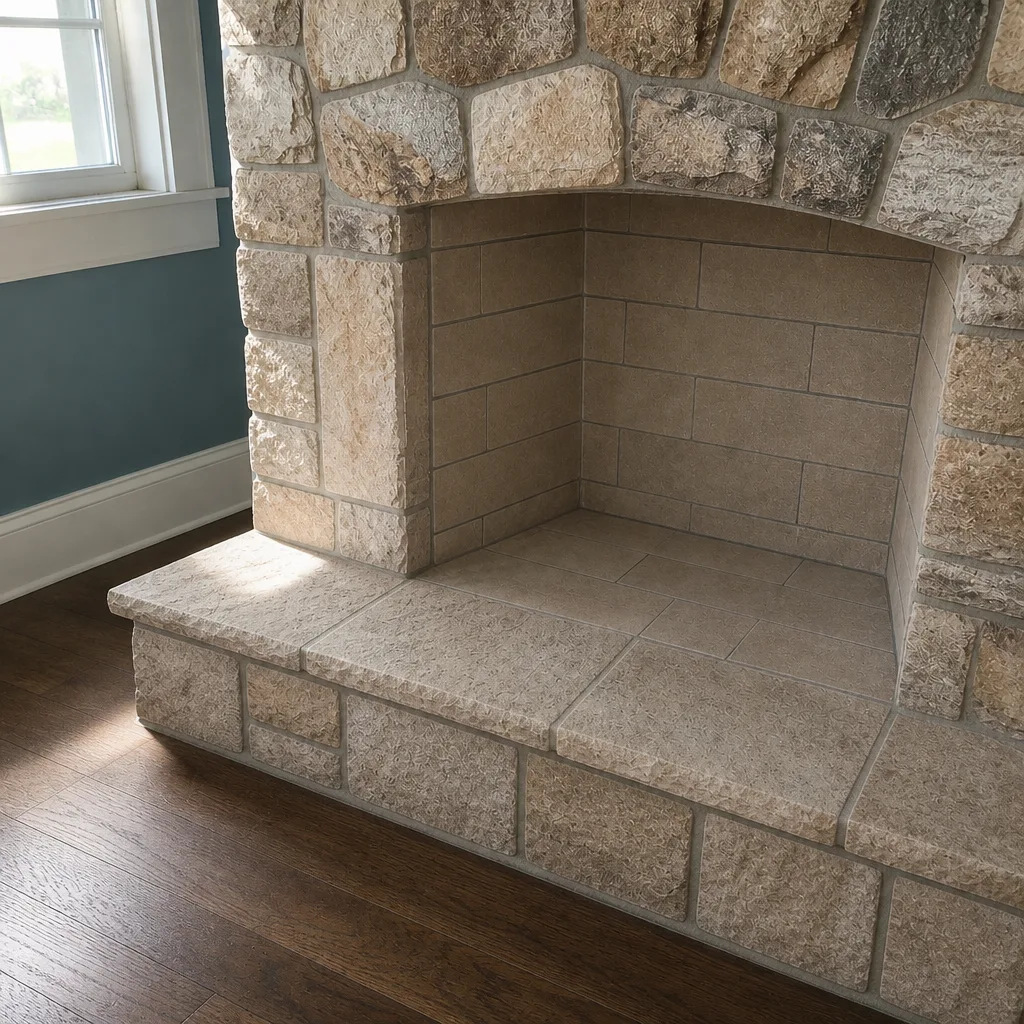 After
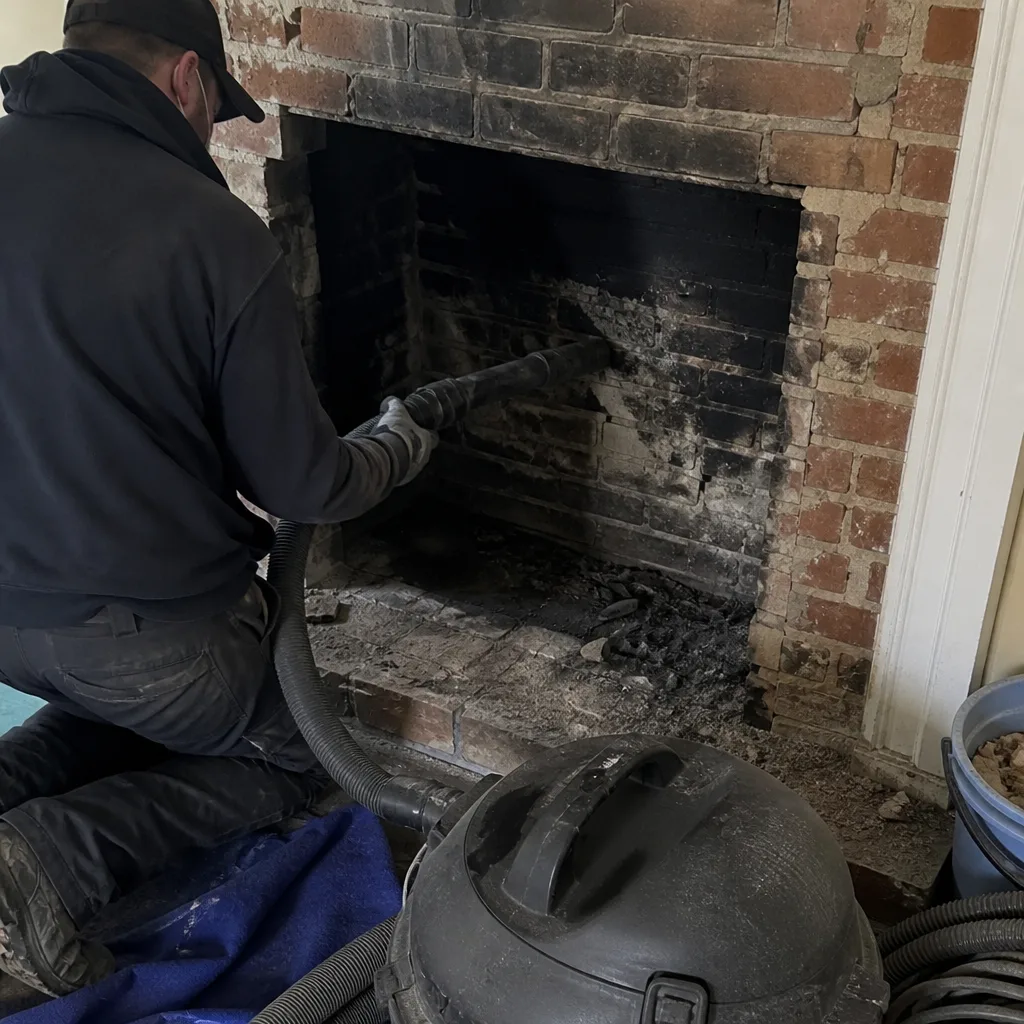 Before
 After
 Before
 After
When to Call a Professional
Call a professional chimney sweep in Upper East Side when any of the following is true: you’ve burned wood since your last cleaning, you’ve just bought or refinanced a property with a fireplace, you’ve converted a fireplace from one fuel to another, you smell creosote when the fireplace is off, you’ve had a chimney fire or suspect one, you’ve noticed a cracked crown or damaged cap, or you don’t know the last time the chimney was cleaned. Any of those point to booking an inspection before the next fire. If you can’t remember the last cleaning, assume it’s overdue; a chimney’s history is easier to verify than to guess, and the inspection plus photo report settles it.
Chimney Sweep Upper East Side offers free estimates in Upper East Side. Call (877) 492-4134. We answer 24/7. Fast dispatch from 7am to 7pm, Sunday through Friday.
One inspection covers your entire chimney system, and you’ll see what we see before anything is recommended. If the work can safely wait, we’ll tell you that too.
Frequently Asked Questions
A standard chimney cleaning in Upper East Side typically costs $220 to $450, with a Level 2 camera inspection adding $180 to $320. The written estimate sets the final price, and repairs or liner work are quoted separately after inspection. Call (877) 492-4134 for an exact quote, estimates are free.
Not necessarily. A new liner is only recommended when the existing liner can’t be repaired, and in many cases the HeatShield ceramic resurfacing system restores flue integrity without full liner replacement. We don’t recommend a liner without camera evidence you can see for yourself. If the liner is intact, we’ll say so. Call (877) 492-4134 to book an inspection.
Once a year if you burn wood regularly, and once every two years for occasional use. Upper East Side fireplaces tend to burn in short cycles, which builds creosote faster than a continuous burn pattern, so annual is the safer default here. Call (877) 492-4134 before the season starts and we’ll get you scheduled.
Stage 2 creosote can build into Stage 3, which is far more flammable and much harder to remove, so skipping doesn’t save money, it defers a larger bill. A blocked or heavily creosoted flue can also vent improperly, which is how carbon monoxide backs into a living space. Call (877) 492-4134 for a cleaning before the next fire.
Yes. Every cleaning includes at least a Level 1 inspection, and a Level 2 with camera is required when the fuel type changes, a liner is replaced, a property changes hands, or a chimney event is suspected. You’ll get a photo report either way. Call (877) 492-4134 to book a visit.
Yes, and it’s a piece of equipment that pays for itself by keeping debris, rain, and animals out of the flue. We install Famco and Gelco caps during the same visit as the cleaning when the existing cap is damaged or missing. Call (877) 492-4134 for a free estimate on cap and crown work.
The Bottom Line
Chimney cleaning in Upper East Side is a flue-depth job, not a firebox job. The buildings here, the terra cotta liners, the offsets, the short burn cycles, the fuel switches, all combine to produce a creosote profile that rewards a methodical sweep and punishes a quick one. A properly done cleaning goes from crown to smoke shelf, includes a camera inspection and photo report, and ends with a written estimate for anything that needs repair. If a sweep can’t show you what they saw, they can’t tell you what needs doing. Get the inspection first, see the evidence, approve the work second.
Call (877) 492-4134 for a free estimate. We answer 24/7. Fast dispatch from 7am to 7pm, Sunday through Friday. Our technicians have up to 10 years of experience, and we work with DuraFlex, HeatShield, Gelco, Olympia Chimney, Famco, and Copperfield on every job that calls for them. Chimney Sweep Upper East Side handles the sweep, the inspection, the cap and crown, the liner repair, and the fireplace work in one place, so the accountability stays with one company from the first look to the final photo report.
Written by the team at Chimney Sweep Upper East Side.