
Last updated November 25, 2026
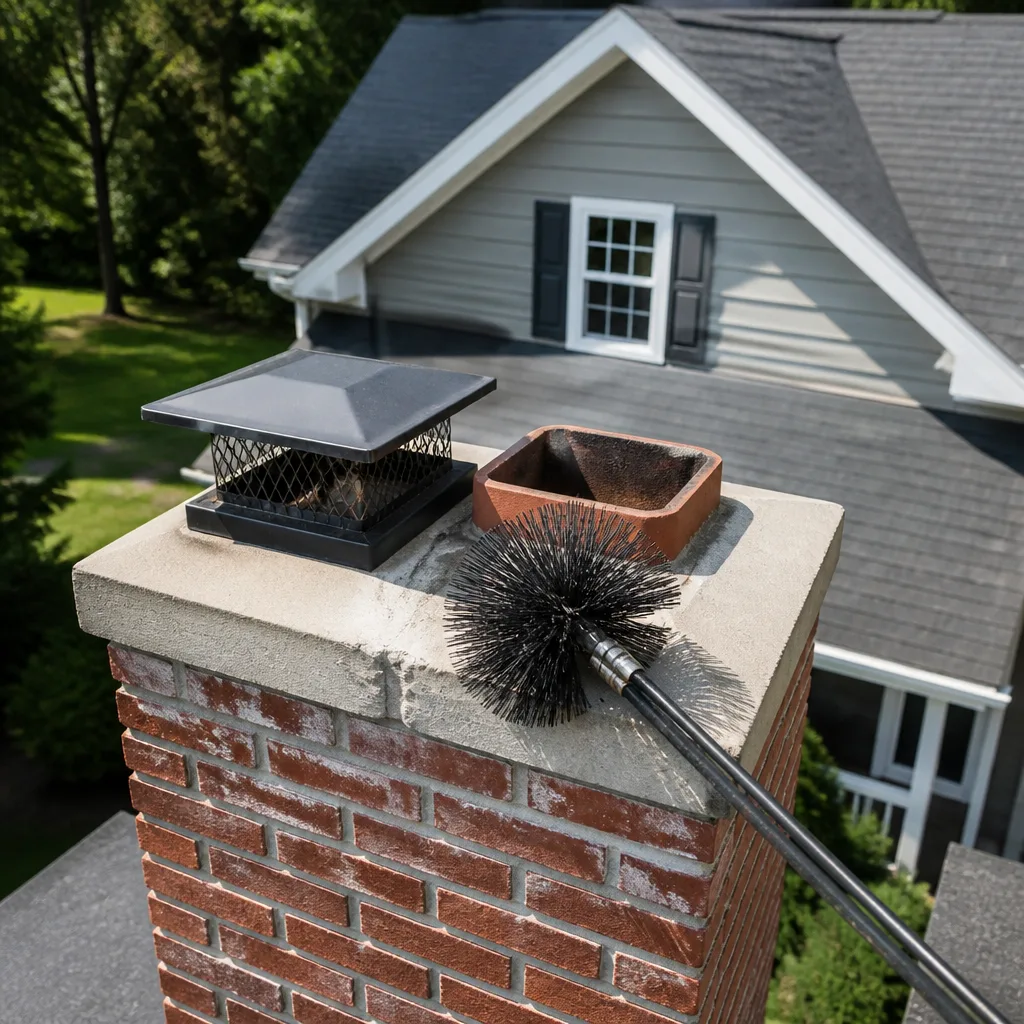 Sweep & inspection
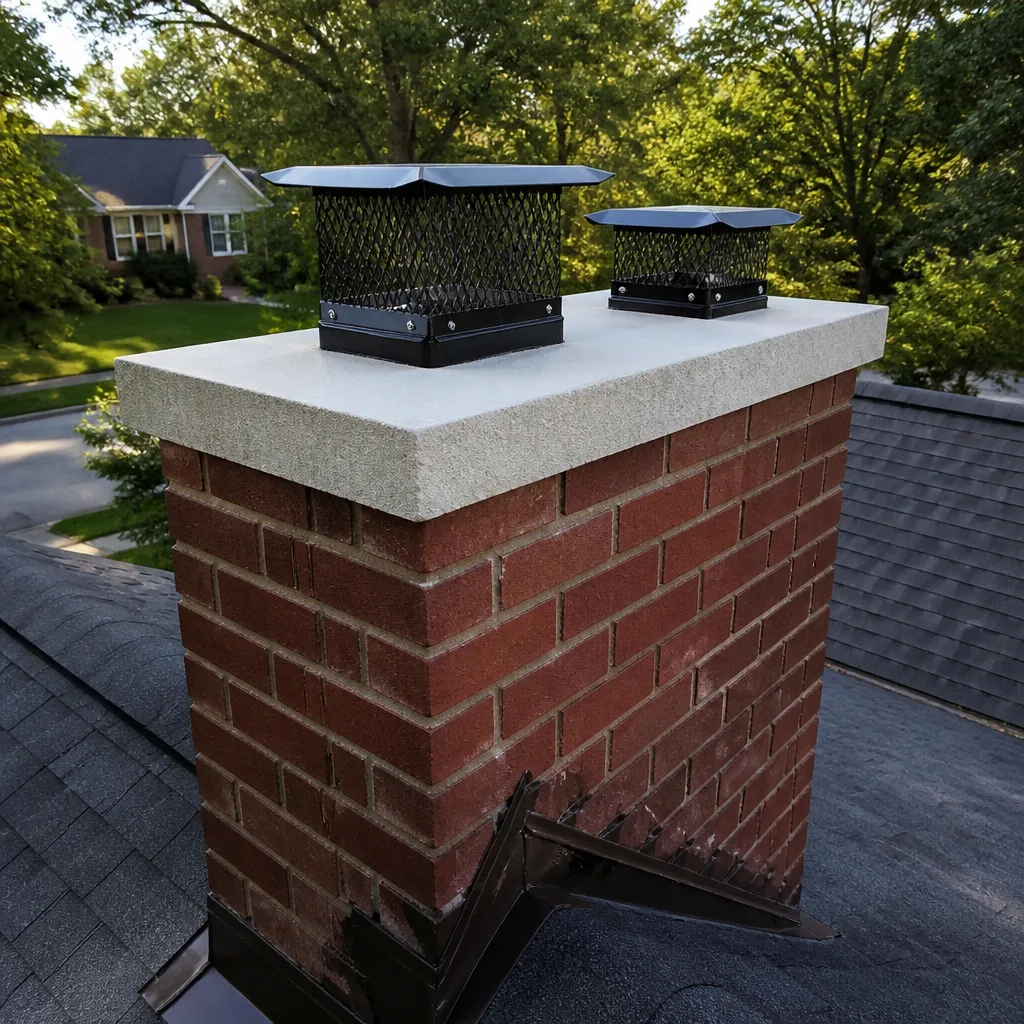 Caps & crowns
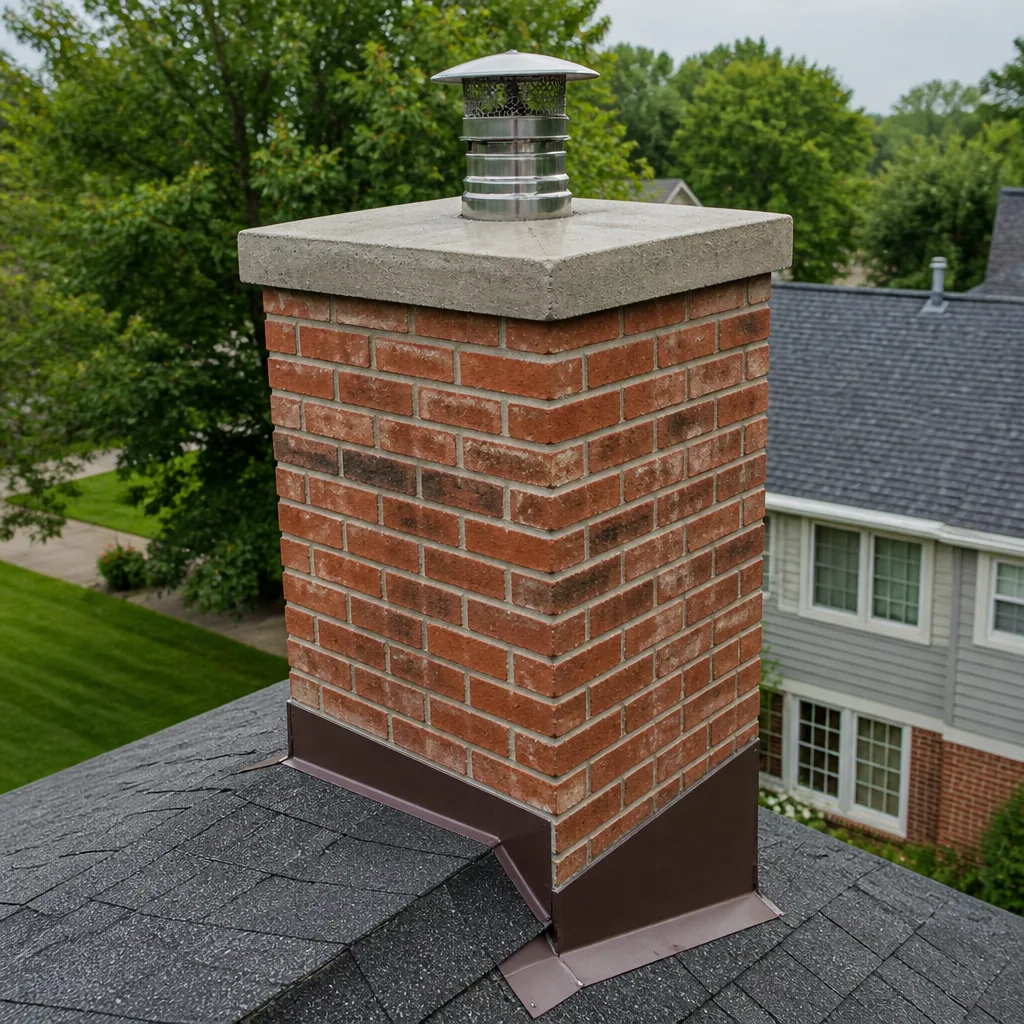 Flue relining
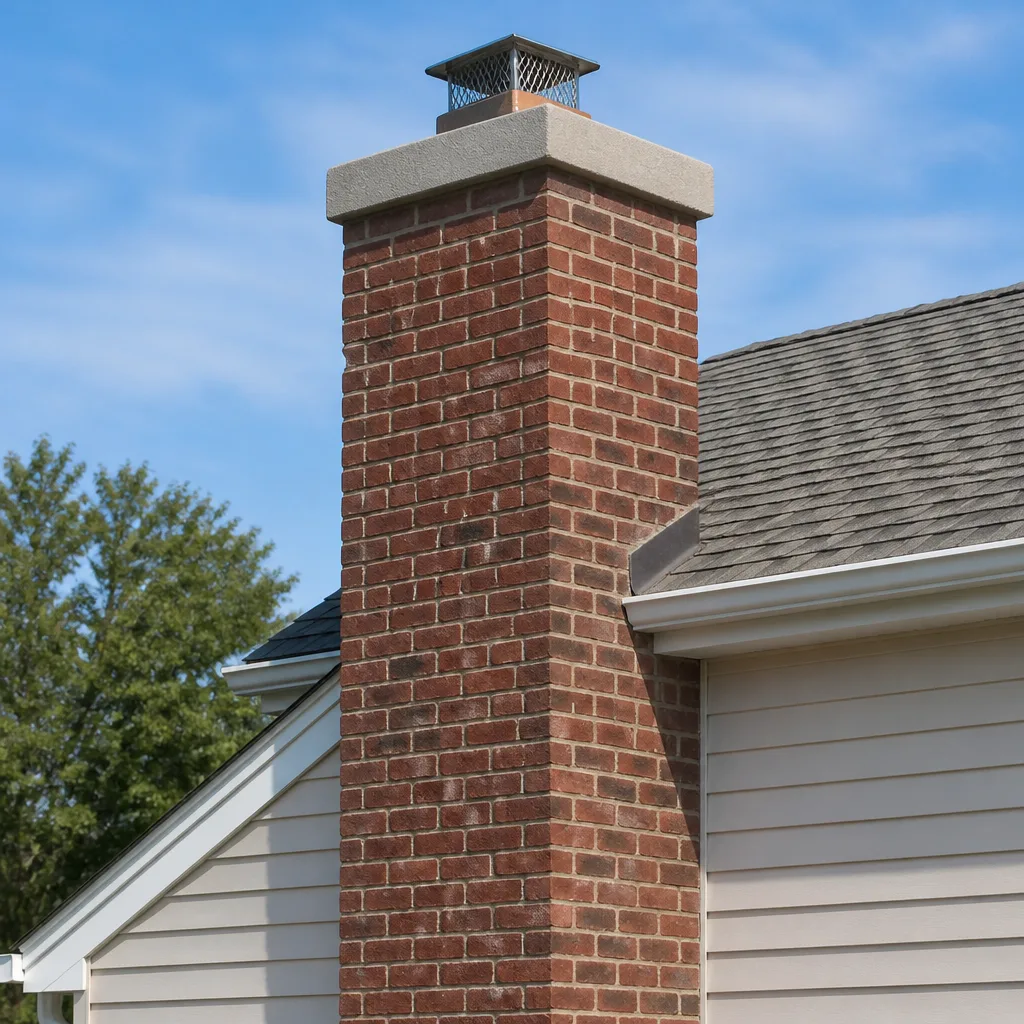 Masonry repair
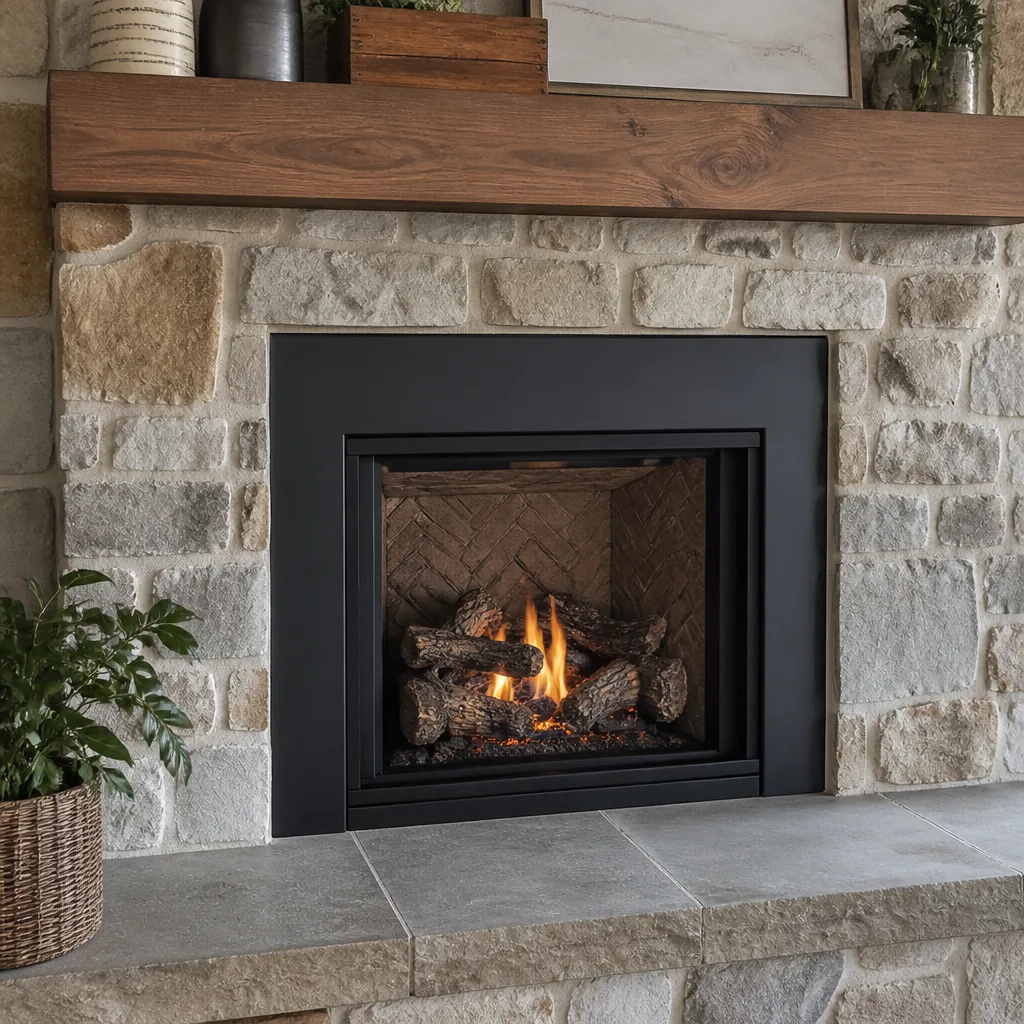 Gas fireplace service
Level 1 sweep and inspection to the NFPA 211 annual standard - flue, crown, cap, and flashing checked and photographed
Chimney sweep logs do not sweep chimneys. They loosen some creosote - which then falls where a brush and vacuum still have to collect it.
Chimney Cleaning Emergency Preparedness Guide for Upper East Side Homes
Most people expect a chimney fire to roar. It often doesn’t. A creosote fire can start as a low rumble in the flue, close to the sound a building’s HVAC makes when it cycles on, and the first few minutes are the ones that decide how the rest of the night goes. That gap between what a real emergency sounds like and what homeowners expect is where this guide lives. We’ll walk through how to recognize an active flue fire, what to do in order when one starts in an Upper East Side apartment or townhouse, why carbon monoxide behaves differently in urban buildings, and what to have ready before the first fire of the season.
Quick Answer
A chimney emergency on the Upper East Side usually comes down to one of three events: a creosote fire inside the flue, carbon monoxide backing into the living space, or a sudden blockage that sends smoke into the room. In every case the sequence is the same – stop feeding the fire, get people and pets out, call the FDNY if there’s any sign of an active flue fire, and then keep the chimney out of service until a Level 2 inspection with a camera confirms the liner is intact. Preparation before the season matters more than reaction during it.
Styles & brands we work with
- Sweep & inspection
- Caps & crowns
- Flue relining
- Masonry repair
- Gas fireplace service
Table of Contents
- How to Recognize a Chimney Fire in Progress
- The Immediate Response Sequence in a NYC Apartment or Townhouse
- Carbon Monoxide and Your Chimney: The Urban Risk
- After the Fire: Why the Chimney Stays Off Until It’s Inspected
- Sudden Blockages and Smoke Backup: What They Tell You
- The Pre-Season Emergency Kit for Upper East Side Homes
- What Emergency Chimney Work Typically Involves
- Common Mistakes to Avoid
How to Recognize a Chimney Fire in Progress
An active chimney fire has a signature, and it’s more subtle than most people imagine. The sound is the part homeowners misread most often. A roar is the dramatic version; a low rumble, a crackling that doesn’t match the fire in the firebox, or a sound like a distant train is closer to what many active flue fires actually produce. If the noise is coming from inside the chimney rather than the firebox, treat it as a fire until proven otherwise.
The smell and the visual indicators fill in the rest:
- Smell: a hot, acrid, tarry odor stronger than normal wood smoke, sometimes described as burning rubber or hot asphalt. That’s creosote igniting, not firewood.
- Smoke: puffs of dark smoke or a haze escaping from the top of the chimney or from joints in the flue. In an Upper East Side building with a shared stack, smoke can also appear at a neighbor’s flue above or below yours.
- Heat: the chimney breast, the metal of the damper, or the wall behind the fireplace feels unusually hot to the touch.
- Sound: a rumble or crackle that continues when the fire below has settled.
- Flue pipe: if you can see any exposed section, it may glow or show discoloration at a joint.
Context matters here. Upper East Side homes sit in pre-war co-ops, brownstones and townhouses with flues that share masonry stacks and run past multiple apartments. A flue fire in one unit can affect the liner serving another. That’s why anything that looks or sounds like an active flue fire gets reported to the building and to the fire department, not just handled inside your own apartment.
The Immediate Response Sequence in a NYC Apartment or Townhouse
The order of operations in the first three minutes matters more than any single action. Here’s how we’d rank it.
- Get people out first. Everyone leaves the room. If there’s visible fire, heavy smoke, or a smell of gas, evacuate the apartment and pull the building alarm on the way out.
- Call the FDNY. For any sign of an active chimney fire, call 911. Save the FDNY non-emergency line in your phone for the “something’s wrong but nothing is burning” calls, but don’t use it during an event that looks like a fire.
- Close the damper, but only if it’s safe to stay. Shutting the damper and the firebox doors starves the fire of air and slows it. Do this from arm’s length or a step back, and only if the room isn’t filling with smoke and you’re not in danger.
- Stop adding wood. No new fuel, ever, once you suspect a fire in the flue.
- Don’t spray water into the firebox. Water on a hot masonry firebox or a metal liner can crack it, and it won’t reach the fire burning in the flue above.
- Notify the building. A super, doorman or building manager needs to know immediately in a co-op or condo. Other flues may share the stack.
- Wait for the fire department, then leave the chimney out of service. No fire in that fireplace until a professional has inspected it.
Two things we see go wrong during real events. Somebody opens the firebox doors to look, which feeds the fire exactly what it wants. Or somebody assumes the sound is the neighbors’ HVAC and lets it burn for another ten minutes. When in doubt, act.
Carbon Monoxide and Your Chimney: The Urban Risk
A chimney’s job is to move combustion gases up and out. When it can’t, those gases – including carbon monoxide – go somewhere, and the somewhere is usually the living space. CO is the emergency that gets the least attention from homeowners because it has no flame, no smell and no sound. Dull headache, fatigue, nausea, dizziness, confusion. Symptoms that feel like a bad day at work.
Urban buildings are more exposed to this than people assume. Here’s why Upper East Side homes are a specific case:
- Competing pressure systems. In a multi-unit building, exhaust fans, bathroom vents, and another apartment’s chimney all pull on the same air. A flue that drafts correctly when the building is quiet can backdraft when a neighbor’s dryer, bathroom fan or HVAC kicks on.
- Shared stacks. A blocked or partially collapsed flue serving one apartment can affect the draft in the flues around it.
- Winter stack effect. In cold weather, a tall masonry chimney can draft strongly at the top and pull air the wrong way at the bottom if the building’s envelope is tight and combustion air is limited.
- Weather-induced downdrafts. Wind over rooflines and nearby taller buildings can push air down a flue that would otherwise draft fine.
The practical defense is a working CO alarm on every level of the home, tested regularly, and one placed near sleeping areas. If it sounds, treat it as real. Get out, call the fire department, and only re-enter when they say it’s safe. Don’t unplug it and open a window.
After the Fire: Why the Chimney Stays Off Until It’s Inspected
A chimney that has just survived a fire is not the same chimney it was an hour ago. The heat from a creosote fire can crack a clay flue tile, warp a metal liner, open a seam in a sectional liner, or damage the mortar joints that hold the flue together. None of that is visible from the firebox.
That’s why the standard after any suspected chimney fire is a Level 2 inspection – a camera inspection of the full flue, from the top down and from the firebox up, with photographs of what we find. A Level 1 visual check isn’t enough after an event like this, because it can’t see the inside of the flue above the smoke shelf where the damage usually hides.
What we look for:
- Cracks in clay flue tiles, including hairline ones
- Separated joints in a metal liner
- Warping or buckling in single-wall sections
- Failed mortar and missing tile pieces
- Creosote glazed to a hard stage 3 layer that will need mechanical removal before the chimney can be used again
If the liner is intact, the chimney gets cleaned and put back in service. If it isn’t, the repair options range from relining with a DuraFlex or Copperfield liner system sized to the flue, to a HeatShield ceramic resurfacing where the damage is in the joints but the flue structure is still sound. We install those materials ourselves, which means the diagnosis and the repair come from the same source and the warranty doesn’t fall between two trades. The point is simple: an after-fire inspection is not optional, and it doesn’t happen over the phone. It happens with a camera down the flue.
Sudden Blockages and Smoke Backup: What They Tell You
A blocked flue is the quiet version of a chimney emergency. It doesn’t announce itself with a roar. It announces itself with smoke rolling back into the room, a fire that refuses to draw, or a smell of soot that gets stronger as the fire settles. In Upper East Side buildings the usual causes are specific:
- Creosote buildup closing the flue opening. Years of light fires with poorly seasoned wood leave a narrowing layer of creosote that eventually closes the throat.
- Animal nests and debris. Squirrels and birds get into uncapped chimneys in every neighborhood around here. A cap with a proper spark screen prevents it.
- Fallen masonry. Spalling brick or a dislodged flue tile can drop into the flue and block it entirely.
- A closed or partly closed damper. Obvious, but worth checking first.
- Downdraft from wind or nearby rooftops. Rooftop wind patterns around taller buildings can push air down a flue that’s otherwise clear.
What you do about it in the moment: open a window a crack to relieve negative pressure, close the damper if the fire is already out, and don’t keep feeding a fire that isn’t drafting. What you don’t do is run a brush or a rope down the flue yourself. Debris and brush can jam and make the blockage worse, and a chimney with a cracked liner can fail while you’re working on it. Call us for a chimney sweep and inspection, and we’ll tell you what’s actually in the flue before anyone quotes a repair.
The Pre-Season Emergency Kit for Upper East Side Homes
The best time to prepare is before the first fire of the season, not during one. Here’s what we’d have on hand in any Upper East Side home with a working fireplace.
- CO alarms on every level and near sleeping areas. Test them monthly, replace the batteries on the manufacturer’s schedule, and replace the units themselves when they hit the end of their rated life.
- Your chimney sweep’s phone number saved. Not on a business card in a drawer – in your phone. (877) 492-4134 goes in as a contact before the season starts.
- The FDNY non-emergency line saved separately from 911. Both belong in your phone. Know which one you’d use for what.
- A working fire extinguisher kept near the fireplace, rated for the fire types your home could see.
- A flashlight and a spare set of batteries. During a smoke event, power to the room may be cut.
- A pre-season inspection on the calendar. Book it before the first fire, not after the first problem. That’s when we can still recommend a chimney cap & crown repair or a routine cleaning without working around a crisis.
- A written record of your chimney’s history. Liner type, last inspection date, any past repairs. It shortens the conversation with any technician, and it’s information no one else will have on your building.
That last item is worth a minute of thought. Older Upper East Side buildings sometimes have flues that were relined decades ago and information that was never passed to the current owner. Knowing your liner’s material and condition turns a potential emergency into a scheduled job.
What Emergency Chimney Work Typically Involves
When something has gone wrong, the work usually breaks into four stages. We’ve done enough of these in Upper East Side brownstones and pre-war buildings to know the sequence rarely varies.
Stage one: inspection with a camera. Always first. Before we recommend a repair, we run a camera down the flue and take photos of what we find. You see the same images we do. Nothing is recommended that isn’t visible on the screen.
Stage two: cleaning and debris removal. Creosote that has reached stage 3 – hard, glazed, bonded to the flue wall – comes off with mechanical tools rather than a standard brush. Debris from a collapse gets removed before any repair can be assessed.
Stage three: repair. Depending on what’s damaged, the fix is one of:
- HeatShield ceramic resurfacing for joints and cracks in a flue that’s still structurally sound
- A new liner system in DuraFlex or Copperfield where the existing liner can’t be saved
- A cap replacement with a Gelco or Famco product where the old cap came off or was damaged
- Crown work above the roofline where water has gotten into the masonry around the flue
Stage four: documentation. We photograph the completed work and hand you the report. It’s the same report your building may ask for, and it’s what makes the next inspection faster.
What this kind of work typically costs on the Upper East Side is not a number we’d quote over the phone. The estimate is per job, and the written estimate sets the final price. That’s deliberate. A liner job on a damaged clay flue is not the same as a HeatShield job on a sound one, and lumping them into a single number does nobody any good.
Common Mistakes to Avoid
- Mistaking a rumble for the HVAC. A sound coming from inside the chimney during a fire is not the building’s mechanical systems. It’s the fire in your flue.
- Opening the firebox doors during a suspected fire. The doors are the only air supply the fire has. Opening them feeds a fire that’s trying to starve.
- Spraying water into the firebox. Water on hot masonry or a metal liner can crack it. It also can’t reach the fire burning above the smoke shelf.
- Skipping the Level 2 inspection after a fire. A visual check from the firebox cannot see the crack or the separated joint in the flue above. Only a camera inspection can.
- Assuming the CO detector isn’t a chimney problem. A CO alarm going off near a fireplace is, first and always, a chimney and venting question until a technician confirms otherwise.
- Burning unseasoned wood to “use up” a cord. Wet wood produces more creosote, and creosote is exactly the fuel that starts a flue fire.
- Leaving the chimney uncapped. A missing cap lets birds and squirrels in and lets water into the flue crown. Both lead to blockages and repairs that a properly fitted Famco or Gelco cap prevents.
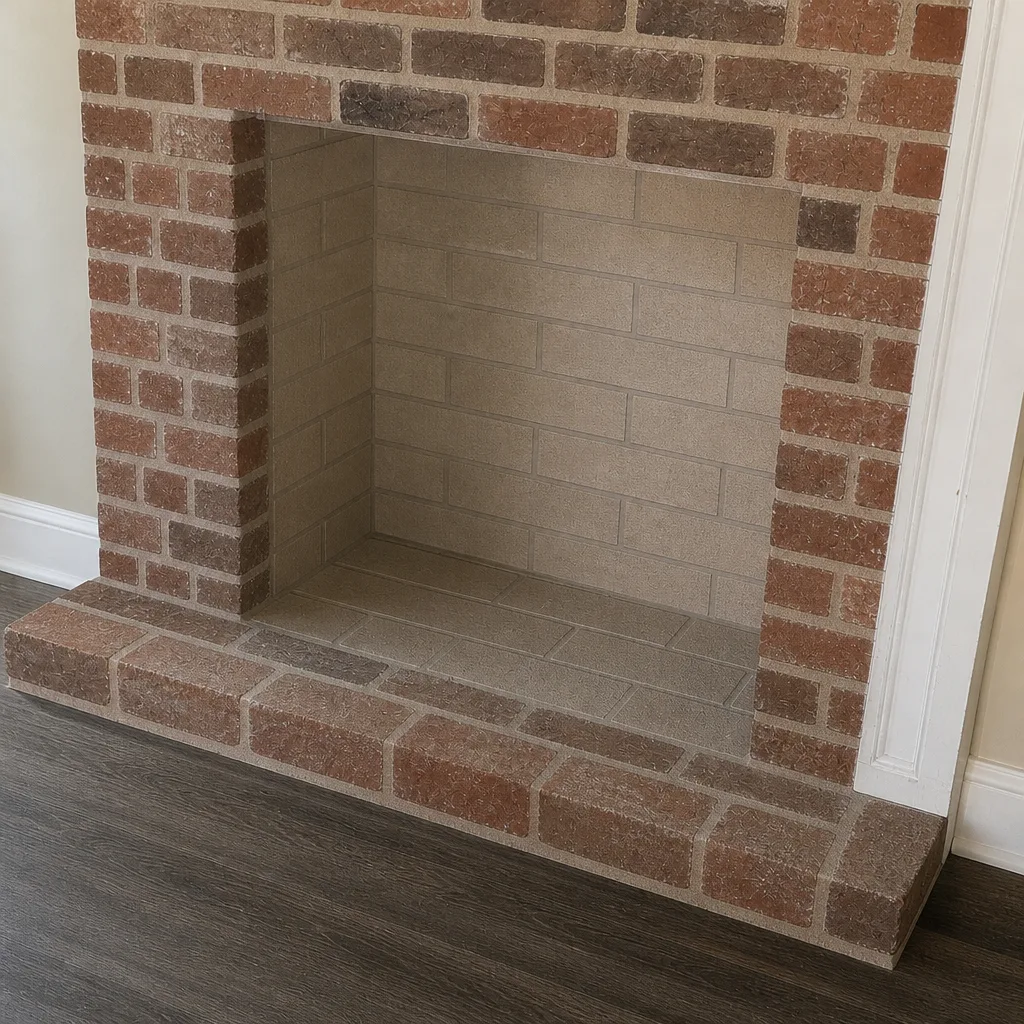
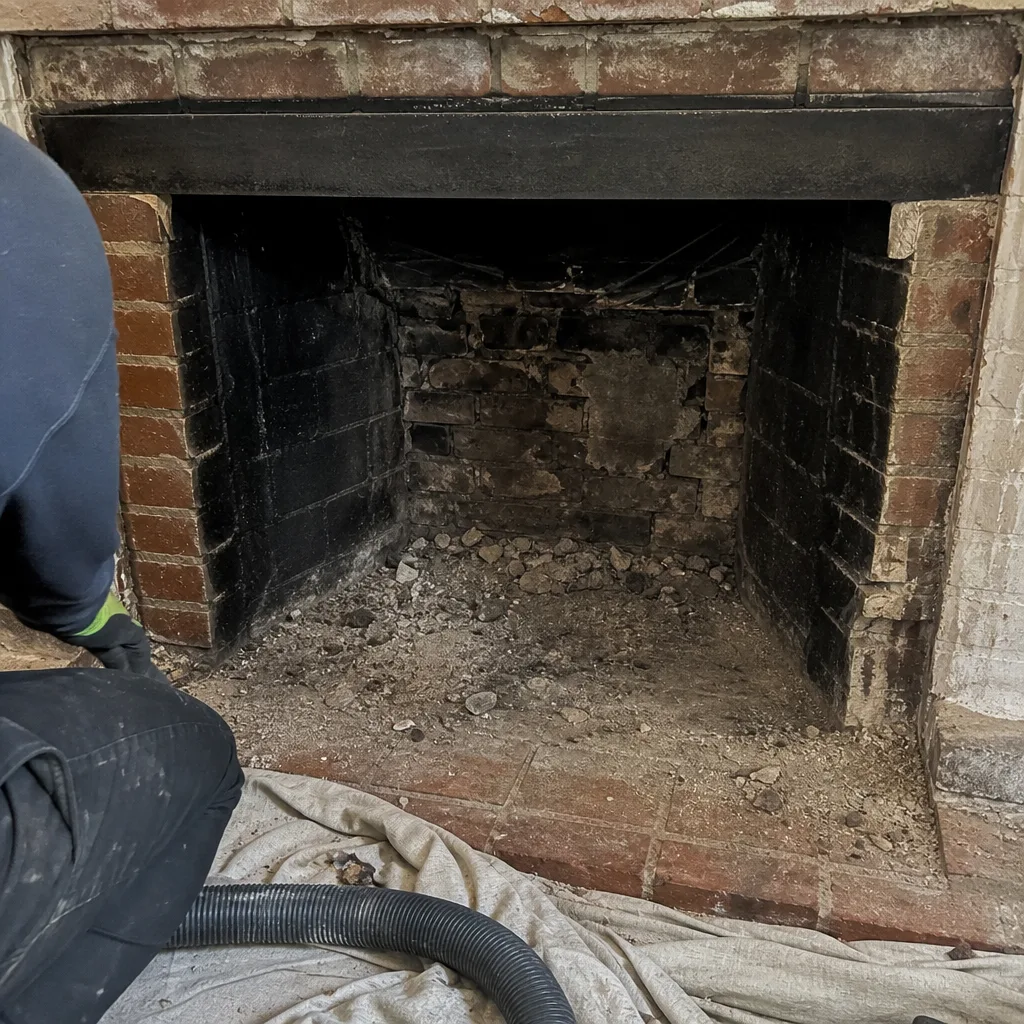
See the difference
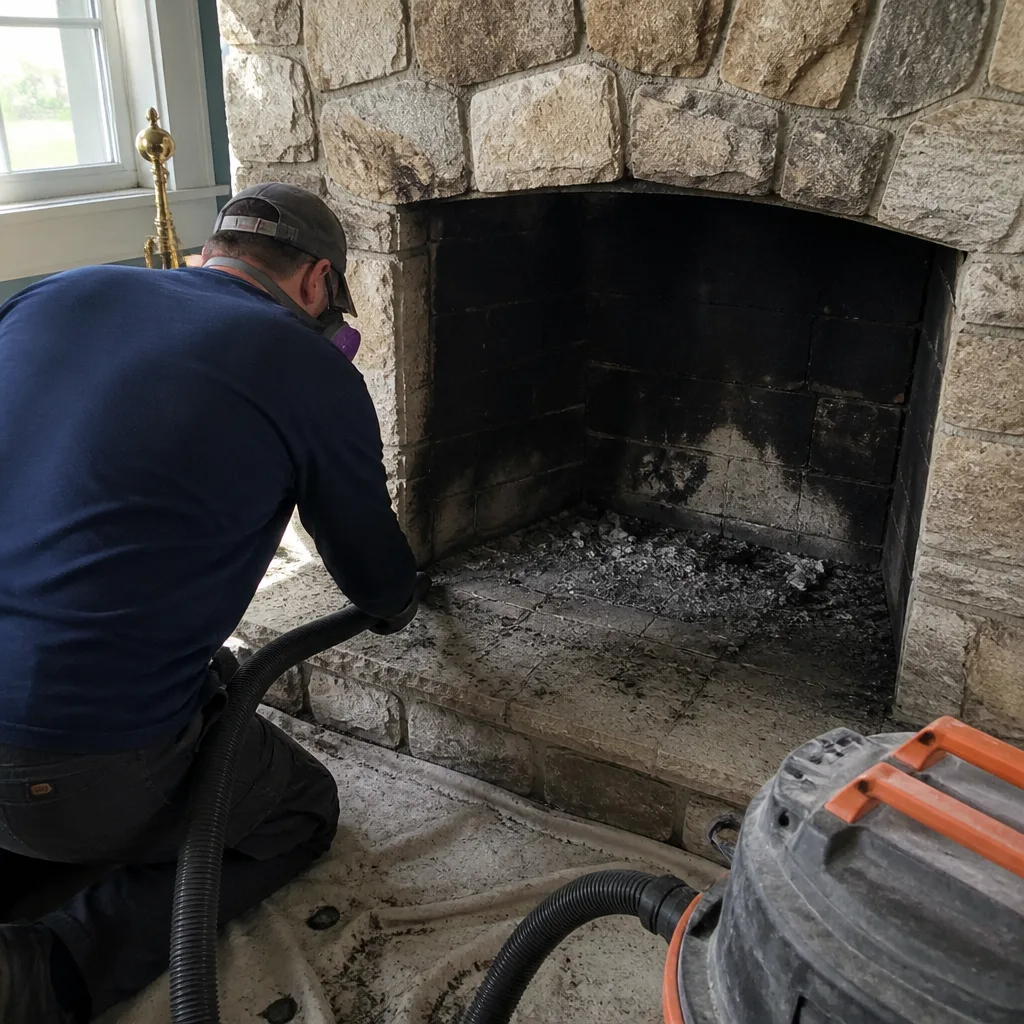 Before
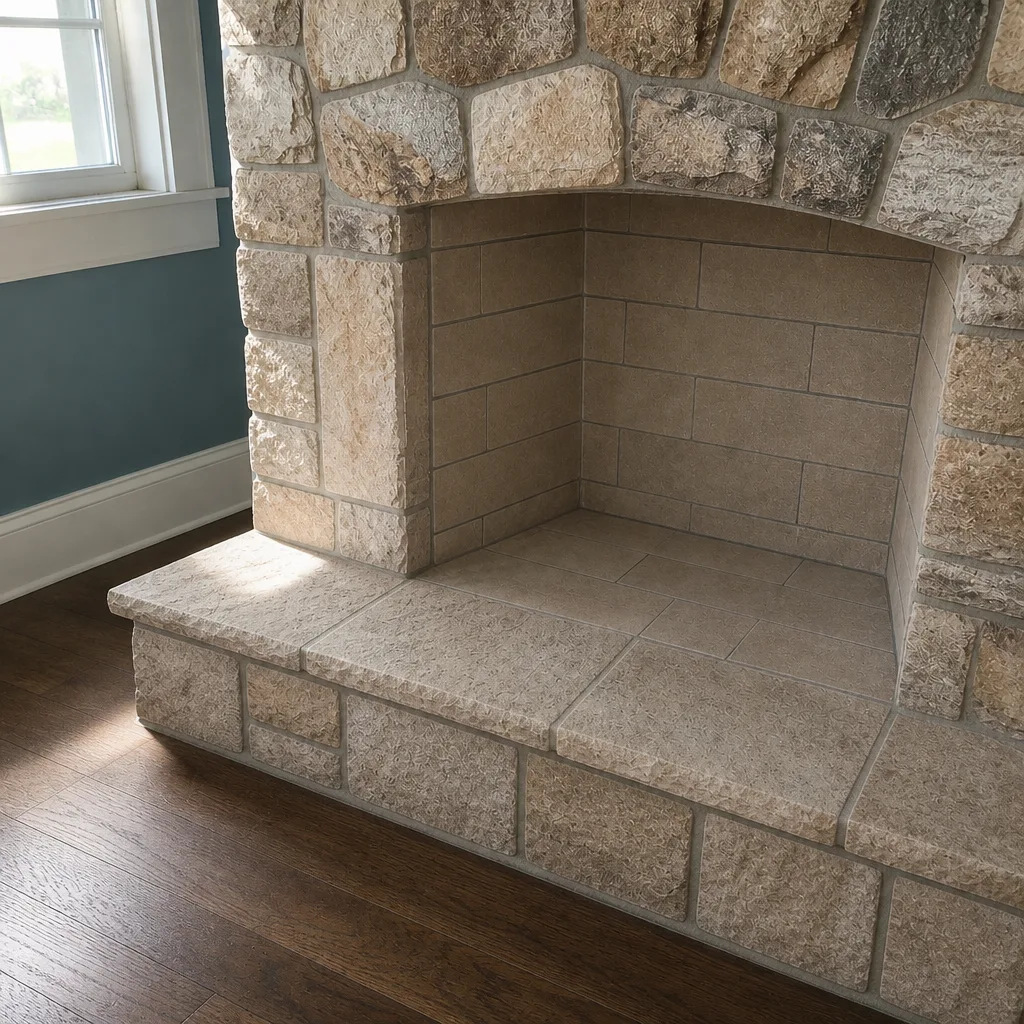 After
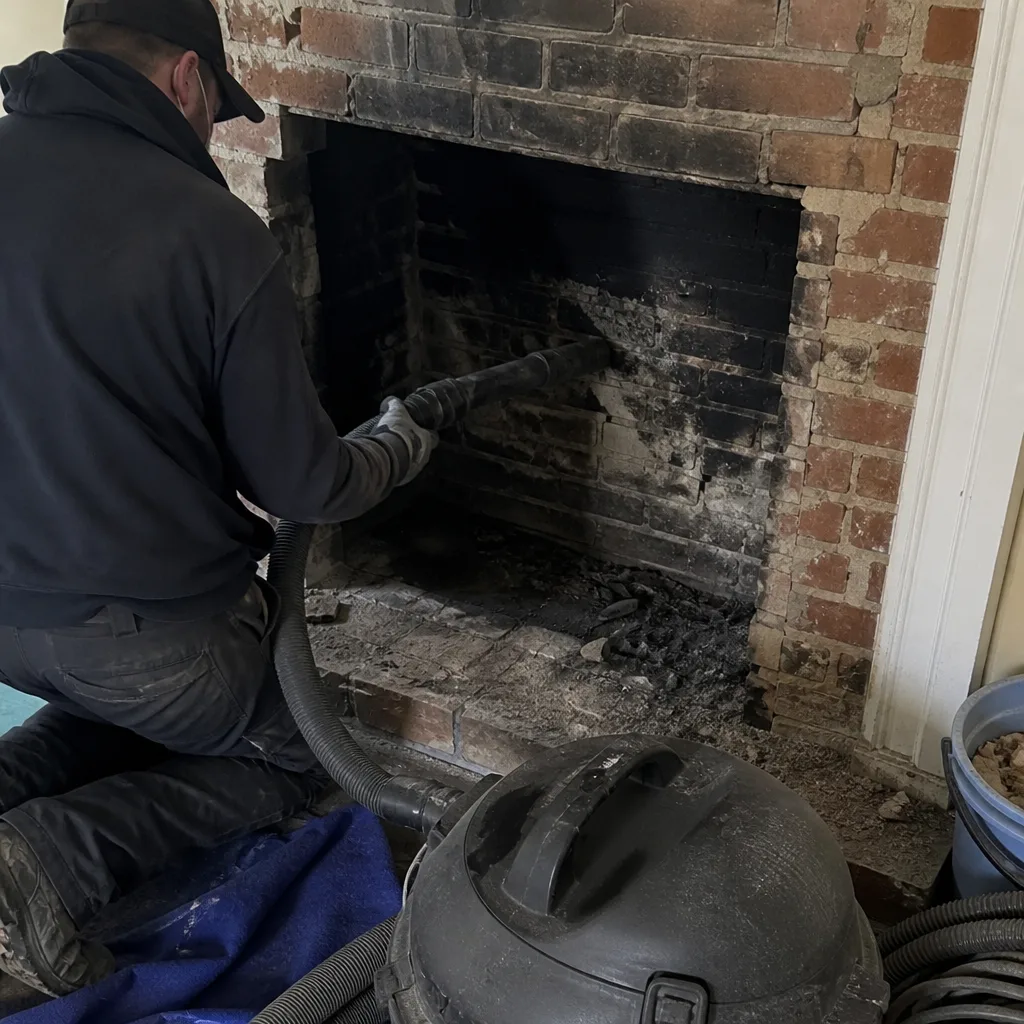 Before
 After
 Before
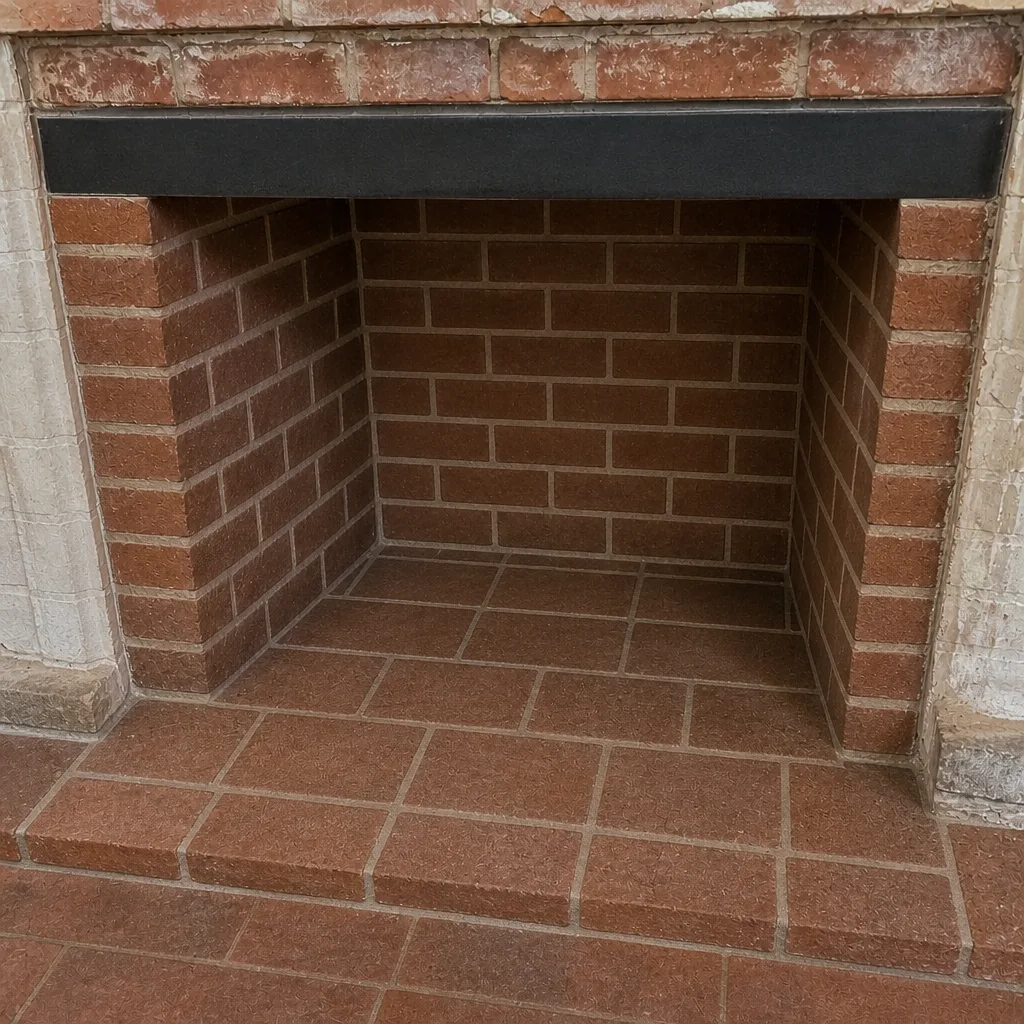 After
When to Call a Professional
Some things you solve on your own. Some don’t. Call us for a full chimney repair assessment if you’ve had a suspected flue fire, if your CO alarm has gone off near a fireplace, if smoke is rolling into the room from a fire that used to draw fine, if you can smell creosote in warm weather, or if it’s simply been more than a year since anyone looked up the flue. We show you what the camera sees before we recommend anything, and we tell you plainly when a repair can wait.
Chimney Sweep Upper East Side offers free estimates in Upper East Side. Call (877) 492-4134. We answer 24/7. Fast dispatch from 7am to 7pm, Sunday through Friday. One inspection covers your entire chimney system – firebox, damper, flue and cap. Our technicians have up to 10 years of experience, and the same team that inspects is the team that repairs.
Frequently Asked Questions
A standard chimney sweep for an Upper East Side home is typically a per-job estimate rather than a flat rate, because the work varies with the flue’s condition and the level of creosote present. The estimate is free, and the written estimate sets the final price. Call (877) 492-4134 for an exact quote.
Get everyone out of the room and call 911. Close the damper and firebox doors only if you can do it safely from a step back and the room isn’t filling with smoke. Don’t add wood, and don’t spray water into the firebox. Then keep the fireplace out of service until a professional inspects it. Call (877) 492-4134 if you’d like us to be that call.
Not always. The right answer depends on what a camera inspection finds. If the liner is intact, it gets cleaned and returned to service. If the flue tiles are cracked or the joints have opened, the fix may be HeatShield ceramic resurfacing or a new DuraFlex or Copperfield liner. Nothing is recommended without camera evidence you can see. Call (877) 492-4134 to book an inspection.
Once a year for any chimney that’s in regular use, and once a year regardless if you burn wood through the heating season. That annual sweep is also when most problems get caught early, before they become the kind of thing this guide is about. Call (877) 492-4134 to put one on the calendar before the season starts.
Shared stacks and competing pressure systems are the usual answer. Another apartment’s exhaust fan, a tight building envelope, or a partially blocked flue can change the draft in your specific flue without touching anyone else’s. A camera inspection tells you which. Call (877) 492-4134 and we’ll look before we recommend anything.
A damaged liner can let combustion gases – including carbon monoxide – seep into the living space, and a cracked liner can fail completely the next time the fireplace is used. Some fires leave almost no trace; some leave a crack no one would find without a camera. You can’t tell which from the firebox. Call (877) 492-4134 for a Level 2 inspection.
The Bottom Line
Chimney emergencies in Upper East Side homes follow patterns, and almost every one rewards preparation over reaction. Know what a flue fire sounds and smells like. Keep a CO alarm near sleeping areas. Save your sweep’s number before the season starts. If a fire happens, get out, call the fire department, close what you can close safely, and keep the fireplace out of service until a Level 2 inspection with a camera proves the liner is intact. The chimney that gets cleaned and inspected every year rarely becomes the chimney that becomes an emergency. One call covers the sweep, inspection and repair.
Call Chimney Sweep Upper East Side at (877) 492-4134 for a free estimate. We answer 24/7. Fast dispatch from 7am to 7pm, Sunday through Friday. Before we sweep, we look. Before we quote, we inspect. Learn more on our Chimney Sweep Upper East Side page, or book your pre-season appointment now.
Written by the team at Chimney Sweep Upper East Side.