
Last updated November 25, 2026
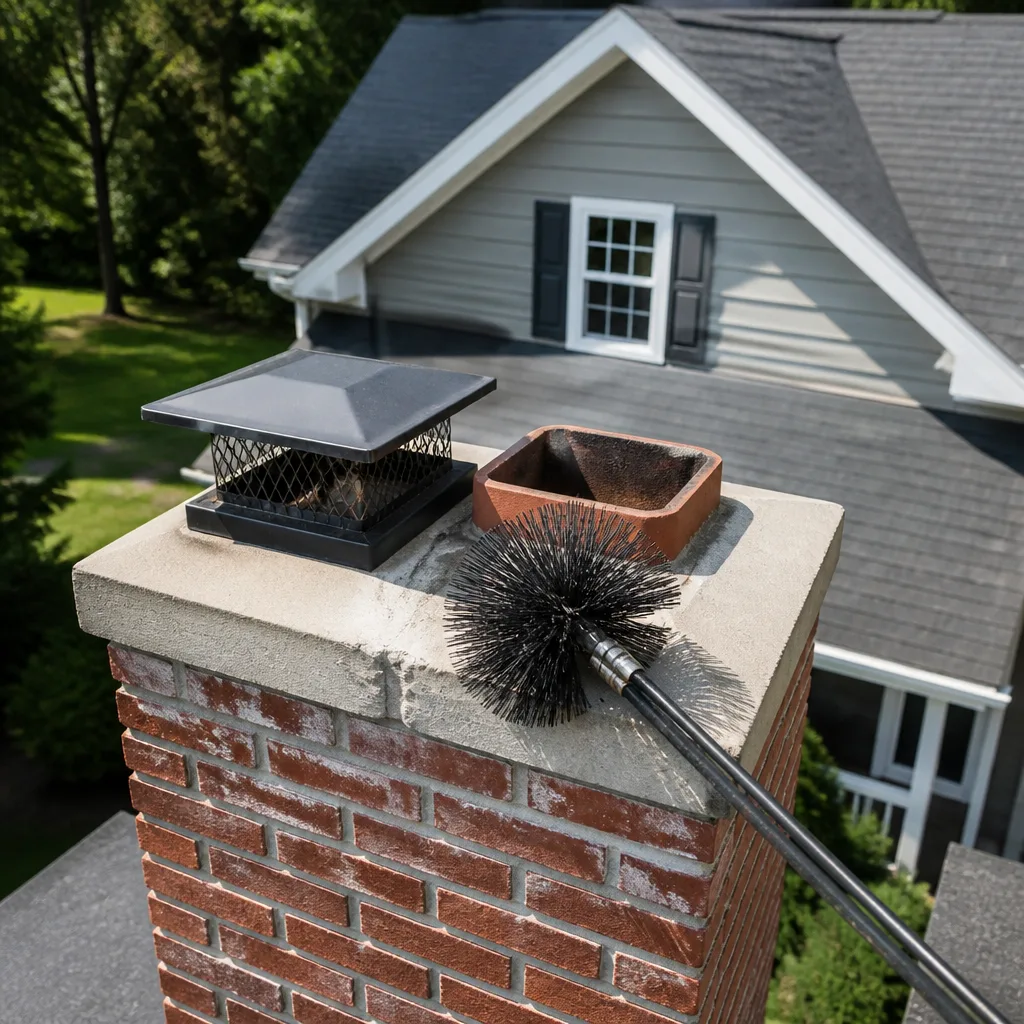 Sweep & inspection
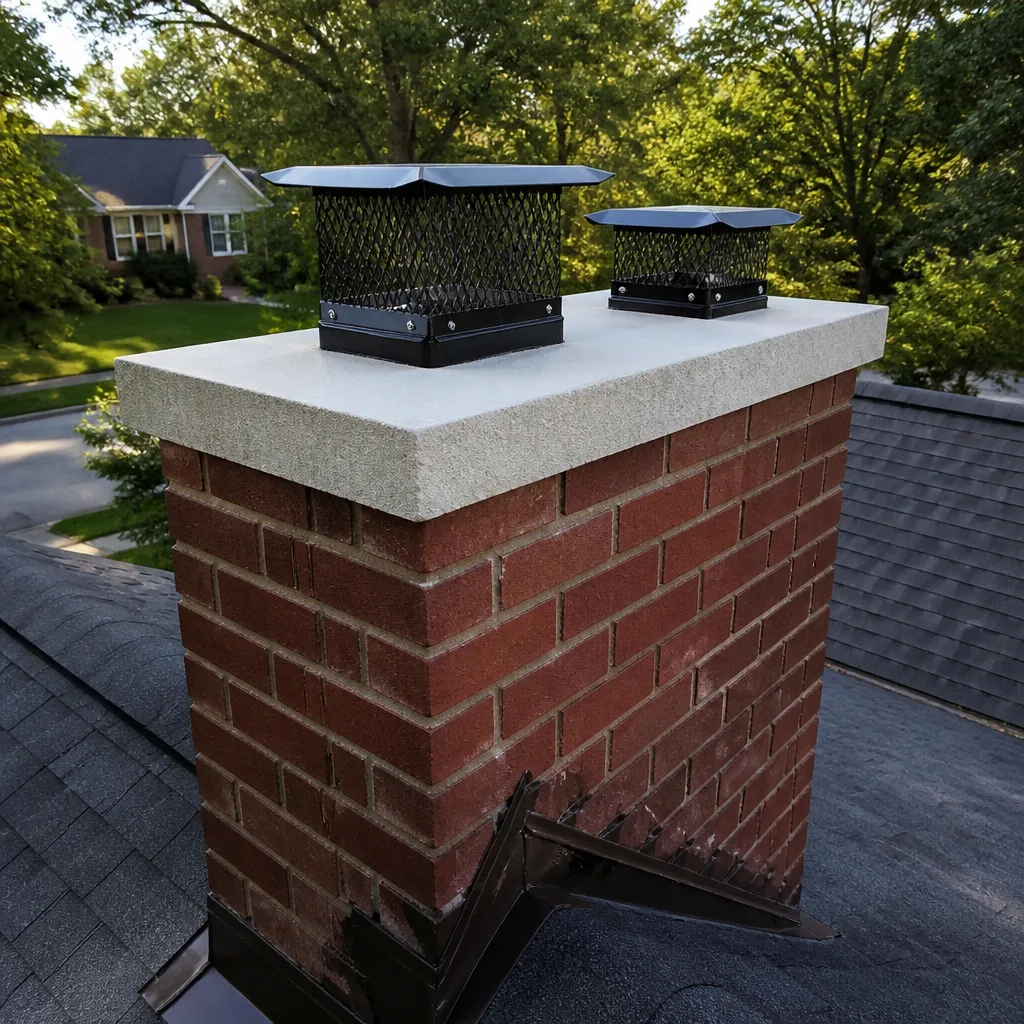 Caps & crowns
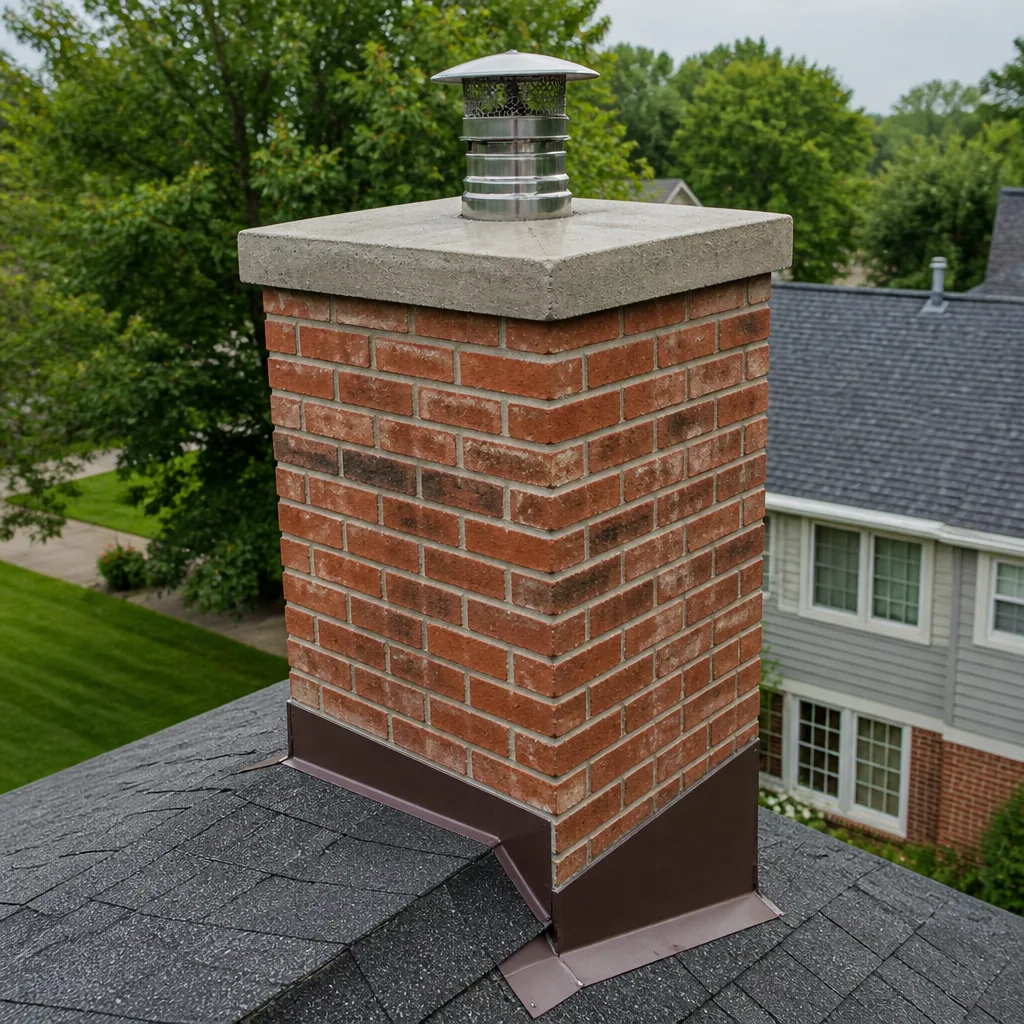 Flue relining
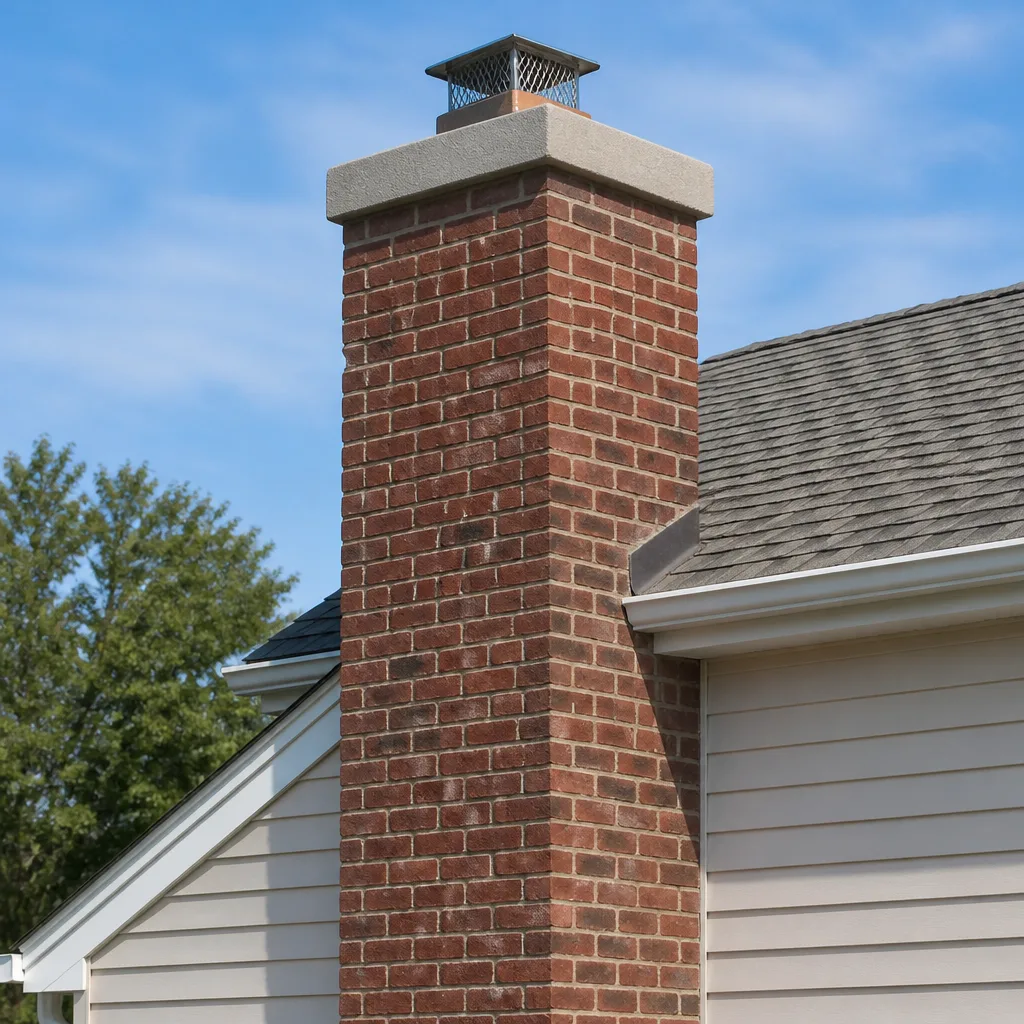 Masonry repair
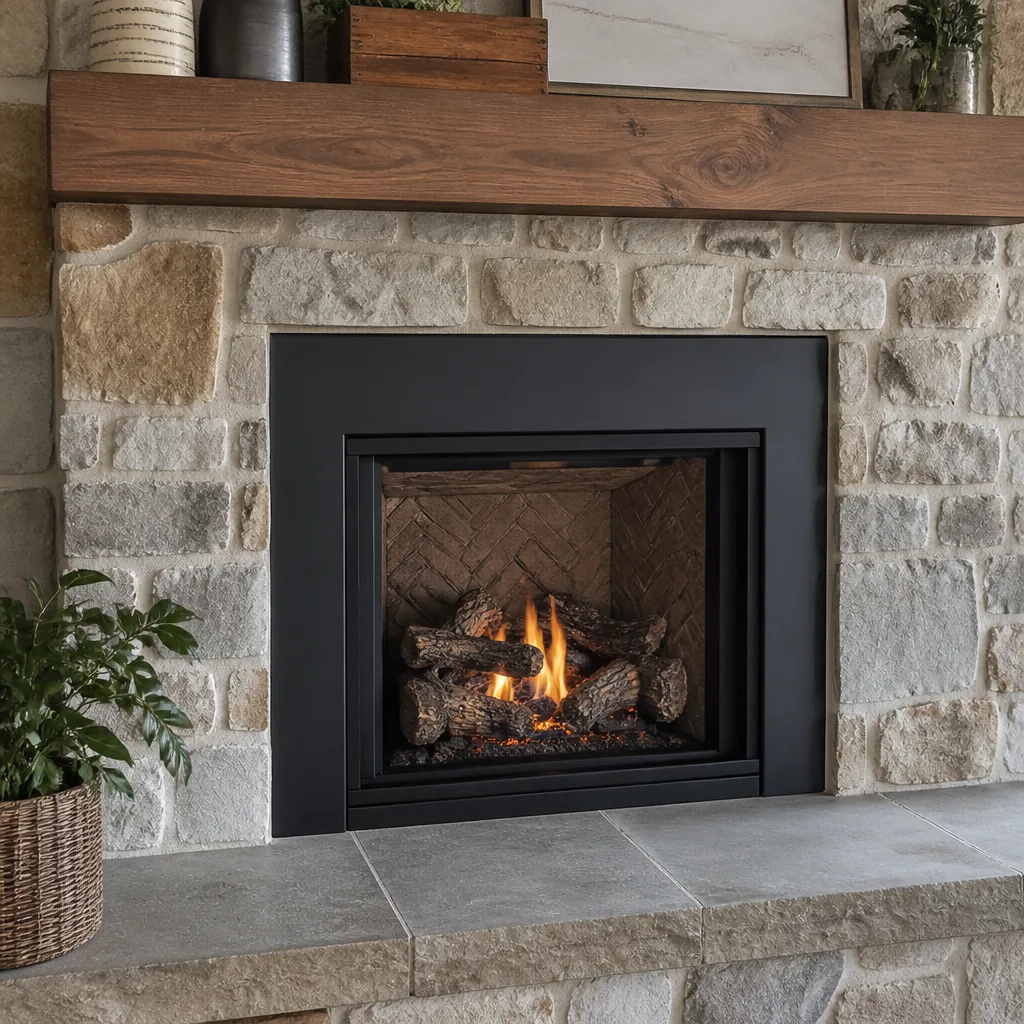 Gas fireplace service
Level 1 sweep and inspection to the NFPA 211 annual standard - flue, crown, cap, and flashing checked and photographed
Chimney sweep logs do not sweep chimneys. They loosen some creosote - which then falls where a brush and vacuum still have to collect it.
Chimney Cleaning Permits, Codes & Inspections in Upper East Side, NY: What You Need to Know
Chimney work in New York City sits in a regulatory blind spot that surprises even experienced contractors. The cleaning itself is largely unregulated: no city permit is issued to run a brush through a flue. But the moment a repair touches the structure of the chimney, the firebox, or the flue’s dimensions, you’re inside the NYC Building Code, and the rules change. We’ve watched Upper East Side homeowners schedule what they thought was a routine sweep and end up staring at a stop-work order because a liner swap crossed that line without paperwork. This guide walks you through where the line sits, what the DOB and FDNY actually require, how co-op boards add their own layer, and what documentation to keep so a future sale or insurance claim doesn’t stall. If you own a fireplace in the Upper East Side, this is the paperwork map you’ll want before you book anything.
Quick Answer
Chimney cleaning in Upper East Side, NY generally doesn’t require a NYC Department of Buildings permit, but structural repairs discovered during cleaning – liner replacement, firebox alteration, crown rebuilding, flue resizing – usually do, and those repairs must be filed by a licensed contractor of record. Multi-family buildings with wood-burning fireplaces also fall under FDNY inspection requirements that operate separately from annual sweeping. Co-op boards frequently add their own approval step on top of city code.
Styles & brands we work with
- Sweep & inspection
- Caps & crowns
- Flue relining
- Masonry repair
- Gas fireplace service
Table of Contents
- Where the Permit Line Sits: Cleaning vs. Repair
- NYC Building Code Sections That Govern Chimney Work
- When a DOB Permit Is Required (and When It Isn’t)
- FDNY Requirements and How They Interact With Annual Cleaning
- Co-op Board Approvals on the Upper East Side
- Documentation to Request After Every Cleaning
- The Inspection Levels and What Each One Produces
- Chimney Records During a Home Sale or Refinance
Where the Permit Line Sits: Cleaning vs. Repair
The simplest way to think about it: cleaning is maintenance, and repair is construction. New York City regulates construction. That’s the whole principle, and once you internalize it, the rest of the rules fall into place.
A standard chimney sweep removes creosote, soot, and blockages from the flue. It doesn’t alter the chimney’s structure, so it doesn’t trigger a filing. A technician runs a brush or rotary tool through the flue, vacuums the debris with a HEPA setup, and inspects the result. No permit, no inspection by the city, no contractor of record.
Repairs are different. The moment work changes the shape, material, or dimensions of the chimney system, you’re in construction territory. Common examples that cross the line:
- Replacing a clay tile liner with a stainless steel liner system
- Resizing the flue to match a new appliance
- Rebuilding or altering the firebox
- Removing and reconstructing the crown
- Adding or modifying a chimney cap in a way that changes draft characteristics
- Any masonry repair that affects structural integrity above the roofline
Here’s the part Upper East Side homeowners don’t expect: the cleaning is what discovers the repair. You book a sweep, the technician finds a cracked liner or a spalled firebox, and suddenly you’re deciding on work that needs a permit – often within the same visit. That’s why we say before we sweep, we look; before we quote, we inspect. The conversation about permits should start at the inspection stage, not after the crew has already started.
If your building is a prewar co-op or a brownstone conversion, the chimney may have been repurposed, sleeved, or partially abandoned decades ago. Those conditions are exactly where permit questions get murky, and they come up constantly in the Upper East Side’s older housing stock.
NYC Building Code Sections That Govern Chimney Work
New York City’s chimney rules live primarily in the NYC Building Code, which draws heavily on the International Code Council family of codes with local amendments. The provisions most relevant to Upper East Side homeowners cluster around a few themes: materials, clearances, liner integrity, and who is allowed to do the work.
Liner replacement is the big one. When a flue is relined, the new liner has to meet specific material and clearance standards, and the installation has to maintain the required distance from combustibles. That’s not a judgment call a homeowner can make. The work must be performed by a licensed contractor of record, and the materials must be listed and labeled for the application. This is why we install matched systems like DuraFlex and Copperfield liners – the components are engineered to work together, and the listing is documented, which matters when an inspector or a buyer’s attorney asks for proof.
Firebox alterations are similarly regulated. The firebox is the combustion chamber, and its dimensions, refractory materials, and clearances are all specified. Rebuilding a firebox with the wrong material or the wrong thickness isn’t a cosmetic issue; it can create a clearance violation or a heat transfer problem into the surrounding structure.
Flue resizing is the third common trigger. If you’re changing appliances – say, swapping a wood-burning fireplace insert for a different model – the flue may need to be resized to maintain proper draft. That’s a code-governed change, not a swap.
For restoration work, we use the HeatShield ceramic resurfacing system, which is applied to restore flue integrity without a full liner replacement in appropriate cases. Even though it’s a resurfacing method rather than a structural rebuild, it’s still a repair that should be documented, and the decision to use it versus a full reline depends on the flue’s condition as seen on camera.
One thing to keep in mind: code sections are amended periodically, and specific section numbers change. Rather than cite numbers that may be outdated, we recommend asking your contractor and your building’s managing agent which provisions apply to your specific scope. The principles above are stable even when the citations shift.
When a DOB Permit Is Required (and When It Isn’t)
This is the question that generates the most confusion, so let’s walk through it with examples.
No DOB permit typically required:
- Routine sweeping and creosote removal
- Video inspection of the flue
- Minor cap replacement where the cap is a like-for-like swap and doesn’t alter draft characteristics
- Cosmetic firebox cleaning and refractory patching within existing dimensions
DOB permit typically required:
- Full liner replacement
- Structural firebox rebuild or alteration
- Crown reconstruction that involves structural masonry
- Flue resizing or changes to the chimney’s exterior dimensions
- Any work that alters the chimney’s height or its relationship to the roofline
In practice, the determination is made by the licensed contractor of record, who files the permit and takes responsibility for code compliance. This is why the contractor matters as much as the permit: an unlicensed operator who does liner work without a filing leaves you holding the liability. If you ever sell the home and a buyer’s inspector flags unpermitted work, you’re the one who has to resolve it.
For Upper East Side co-ops and condos, there’s a second layer: even permitted work may need building management sign-off before it starts, and some buildings require the contractor to submit proof of insurance and licensing to the managing agent. We’ve seen straightforward chimney repair jobs delayed a week because the paperwork went to the wrong desk.
Ask three questions before any repair begins:
- Does this scope require a DOB filing, and who is filing it?
- Does the building require advance notice or approval for chimney work?
- What documentation will I receive at completion?
If the answer to the first question is vague, that’s a red flag. A licensed contractor knows whether their scope triggers a filing.
FDNY Requirements and How They Interact With Annual Cleaning
The FDNY’s interest in chimneys is fire safety, and its requirements operate on a different track from the DOB’s construction oversight. For multi-family buildings with wood-burning fireplaces, the FDNY has historically required periodic inspection and cleaning of chimneys and flues, with records maintained. The specifics – frequency, documentation format, who must perform the inspection – have been refined over the years and depend on the building type.
What this means practically for an Upper East Side building with wood-burning fireplaces:
- Annual cleaning is a baseline expectation, not a luxury
- Inspection records should be kept on file by the building, not just the unit owner
- The inspection should be performed by a qualified chimney professional, and the report should document what was found
- Deficiencies – cracked liners, obstructed flues, deteriorated dampers – should be corrected before the fireplace is used again
The interaction between FDNY requirements and your annual cleaning is straightforward: the cleaning is the maintenance act, and the inspection that accompanies it is what produces the record. If your building’s managing agent asks for proof that the chimney was cleaned and inspected, a written report from a qualified sweep satisfies that request in most cases.
Carbon monoxide is the reason these requirements exist. A blocked or damaged flue can allow combustion gases to enter living space, and in a dense Upper East Side building, that’s a risk that extends beyond a single apartment. We treat every inspection as a safety inspection first, and the report reflects that. If we find a condition that needs immediate attention, we say so plainly – and if a finding can safely wait, we say that too. Nothing gets recommended without camera evidence you can see.
Fire safety language matters here, and so does accuracy. A properly maintained chimney reduces fire risk; it doesn’t eliminate it. The point of the annual cleaning and inspection isn’t to sell you something – it’s to give you and your building a documented baseline.
Co-op Board Approvals on the Upper East Side
If you own in a co-op, the building’s board and managing agent have authority over alterations that go beyond city code. Chimney work often falls into that category, even when the work is entirely within your unit.
Here’s what to anticipate:
- Alteration agreement. Many co-ops require a signed alteration agreement before any work that touches building systems, including the chimney and flue.
- Contractor vetting. The managing agent will typically request the contractor’s license, insurance certificate, and sometimes references before allowing access.
- Scope review. The board may want to see the inspection report and the proposed scope before approving liner or masonry work.
- Scheduling and access. Rooftop and flue access may need to be coordinated with building staff, and some buildings restrict when work can occur to limit disruption.
- Restoration requirements. If work affects shared structural elements, the building may require specific restoration standards at completion.
The Upper East Side’s concentration of prewar cooperatives means these steps are routine here in a way they aren’t in many other parts of the city. A contractor who works regularly in the neighborhood knows the drill and can prepare the paperwork in advance. One inspection covers your entire chimney system, and a single well-documented visit can often satisfy both the board’s questions and your own.
Budget time for the approval process. It’s not unusual for a co-op to take a couple of weeks to review and approve a chimney alteration. Factor that into your planning, especially if you’re working toward a seasonal deadline like the start of heating season.
Documentation to Request After Every Cleaning
This is where most homeowners leave value on the table. The cleaning is done, the technician packs up, and no one asks for paperwork. Then a year later, an insurance adjuster or a buyer’s attorney asks for proof of maintenance, and there’s nothing to produce.
Ask for a written inspection report after every cleaning. A useful report includes:
- Date of service and the address of the property
- The type of inspection performed (see the levels below)
- Findings for each component: firebox, damper, smoke chamber, flue, crown, cap
- Photo or video evidence of any deficiency noted
- Clear recommendations, separated into immediate, near-term, and monitor
- The technician’s assessment of whether the fireplace is safe to use
We include camera inspection and a photo report as part of the service because the report is the product. A finding without evidence is just an opinion, and an opinion is hard to hand to your co-op board or your insurance carrier. When we recommend a repair, we can show you the footage of the condition that prompted it. When a repair can wait, the report says so.
Keep these reports with your other home records. If you sell, they become part of the disclosure package. If you have a claim, they establish a maintenance history. If your building asks, they’re the answer.
The Inspection Levels and What Each One Produces
The chimney industry recognizes three inspection levels, and knowing which one you’re getting prevents a lot of confusion.
Level 1 inspection covers readily accessible portions of the chimney and is performed during a routine cleaning. It’s appropriate when the fireplace is being used as it was designed and there have been no changes to the system. Most annual cleanings include a Level 1 inspection.
Level 2 inspection goes further, using video scanning to examine the interior of the flue. It’s appropriate after a chimney fire, after a change in appliance or fuel type, during a real estate transaction, or when a Level 1 inspection reveals a concern that warrants a closer look. This is the level that produces the camera evidence we rely on for repair recommendations.
Level 3 inspection is diagnostic and may involve opening walls or removing components to access concealed areas. It’s used when a serious hazard is suspected and cannot be evaluated otherwise.
For most Upper East Side homeowners, a Level 1 inspection during annual cleaning is the baseline, with a Level 2 triggered by any change or finding. If you’re buying or selling a property with a fireplace, ask for a Level 2 – it’s the standard that satisfies most attorneys and inspectors.
The inspection feeds directly into the decision about Chimney Sweep Upper East Side services – whether you need a cleaning only, a repair, or a full evaluation. One inspection covers your entire chimney system, and the report tells you which of those you’re facing.
Chimney Records During a Home Sale or Refinance
If you’re selling an Upper East Side property with a fireplace, expect the chimney to come up. Buyers’ inspectors flag chimneys routinely, and a missing maintenance record is one of the easiest ways to stall a closing.
What to have ready:
- The most recent inspection report, ideally a Level 2 with camera documentation
- Records of any liner or masonry work, including the contractor’s name and the completion date
- Permit documentation for any structural repair
- Co-op board approval records for any alteration
If you don’t have these records, a pre-listing inspection is worth scheduling before you go to market. It gives you time to address findings and to hand the buyer a clean report rather than a surprise.
Refinancing is similar. Lenders and appraisers may want proof that the chimney is functional and code-compliant, particularly in older buildings where a fireplace is listed as an amenity. Documentation removes the uncertainty.
Common Mistakes to Avoid
- Assuming a cleaning covers repairs. A sweep removes creosote; it doesn’t fix a cracked liner. If your technician finds a deficiency, ask whether the correction requires a permit and who will file it.
- Skipping the co-op approval step. On the Upper East Side, board approval is often required even when the work is within your unit. Scheduling repairs before the managing agent signs off can result in work being halted mid-job.
- Hiring an unlicensed operator for liner work. Liner replacement is code-governed construction. Without a licensed contractor of record, you carry the liability if the work is later questioned.
- Not requesting the written report. A verbal “all good” is worth nothing at a closing or a claim. Ask for the report in writing with the findings documented.
- Mixing liner components from different manufacturers. Matched systems like Olympia Chimney and DuraFlex assemblies are engineered together. Mix-and-match sourcing can create warranty gaps and inspection questions.
- Ignoring a cap or crown problem. A deteriorated crown lets water into the masonry, and water damage is one of the most common causes of expensive chimney repairs. Chimney cap & crown work is often straightforward when caught early.
- Waiting until heating season to schedule. The Upper East Side’s older buildings fill up quickly once the weather turns. Booking a cleaning and inspection before the season starts gives you time to address any findings without rushing the permitting process.
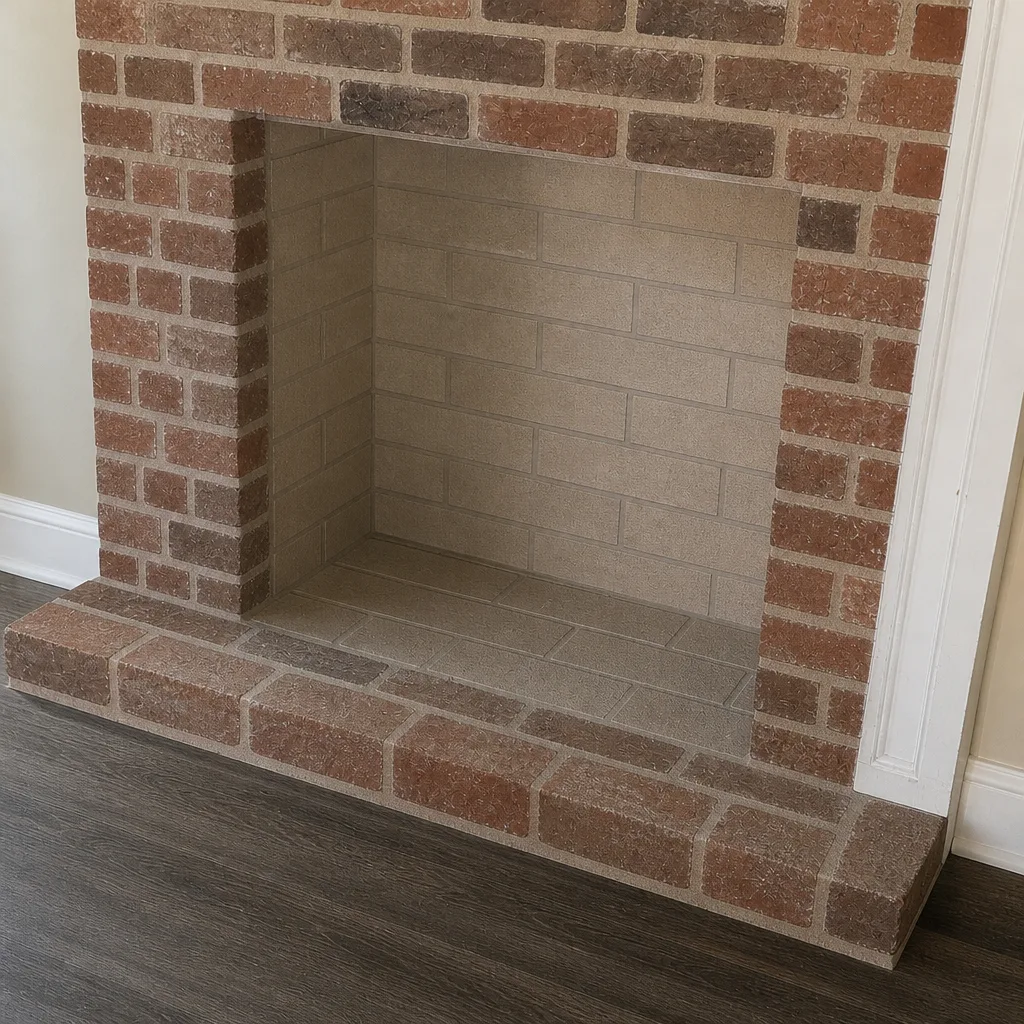
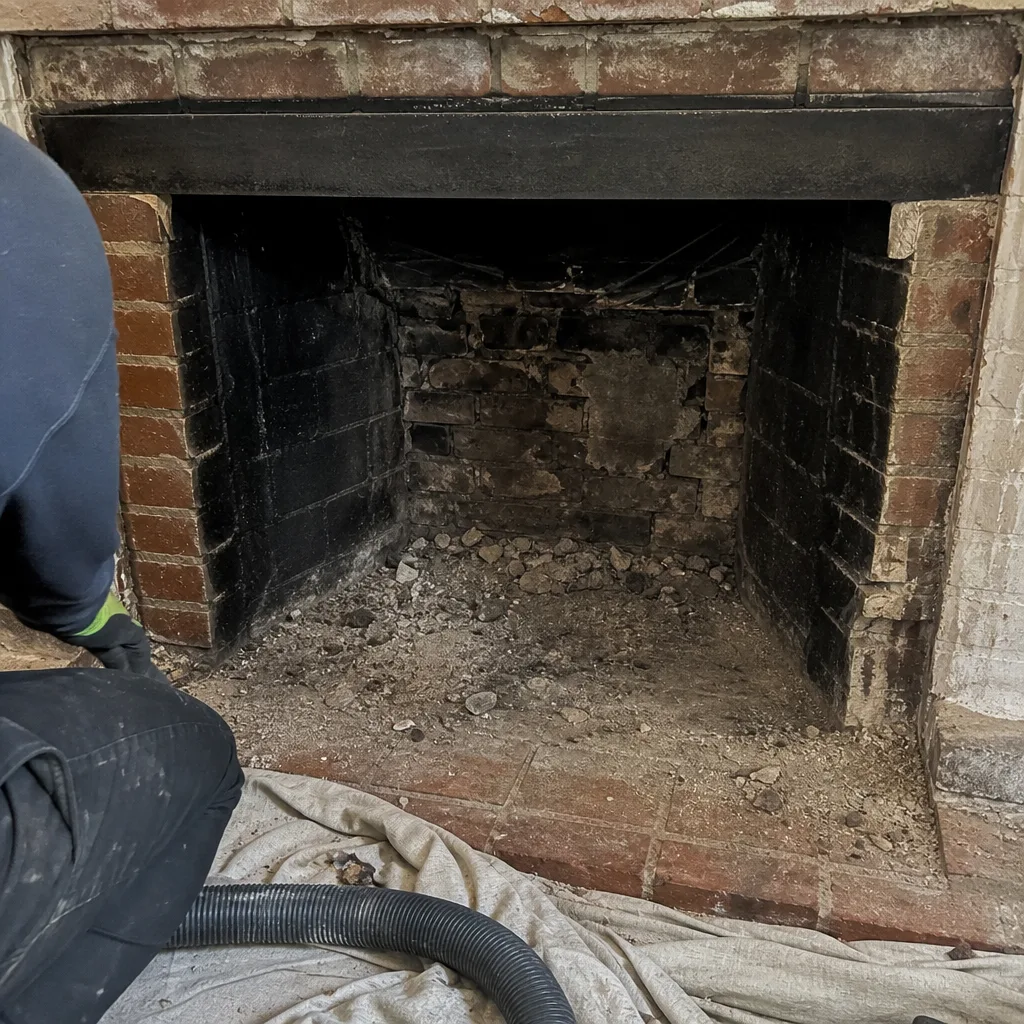
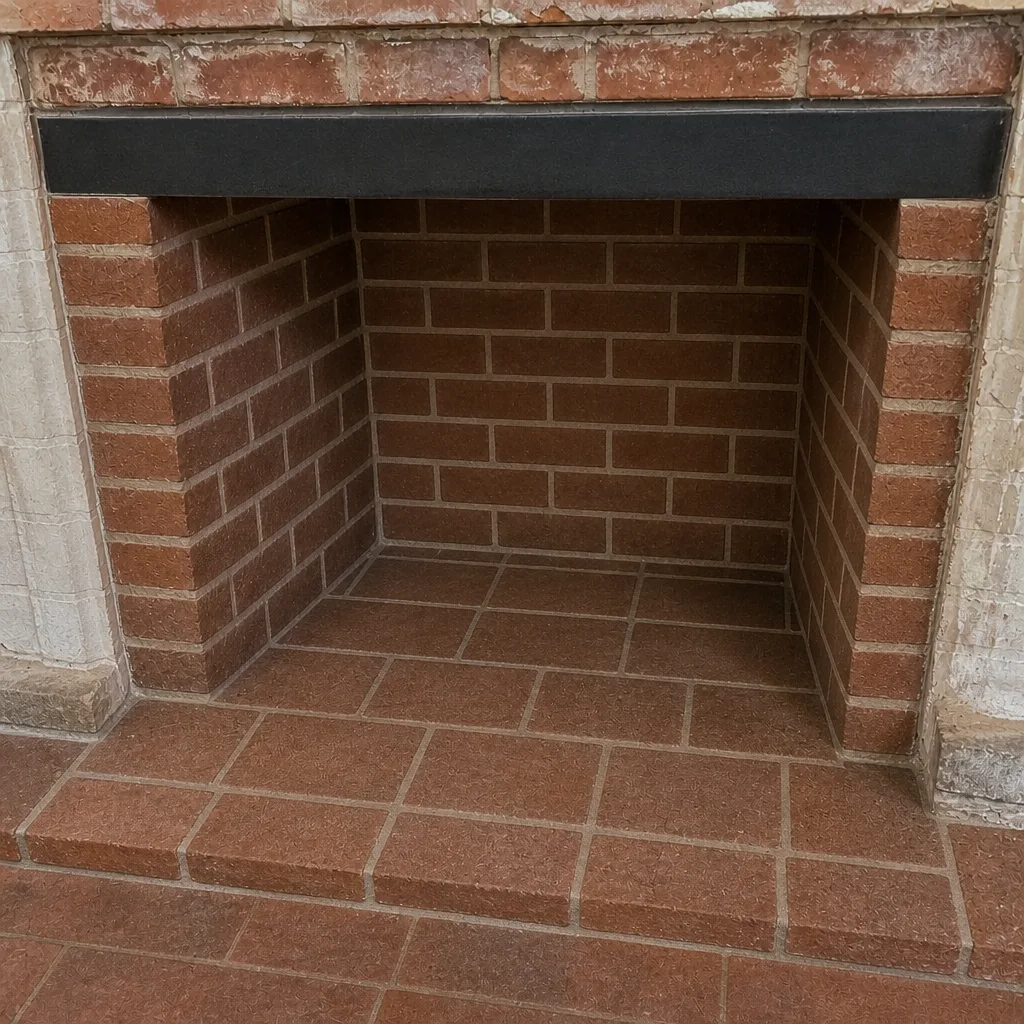
See the difference
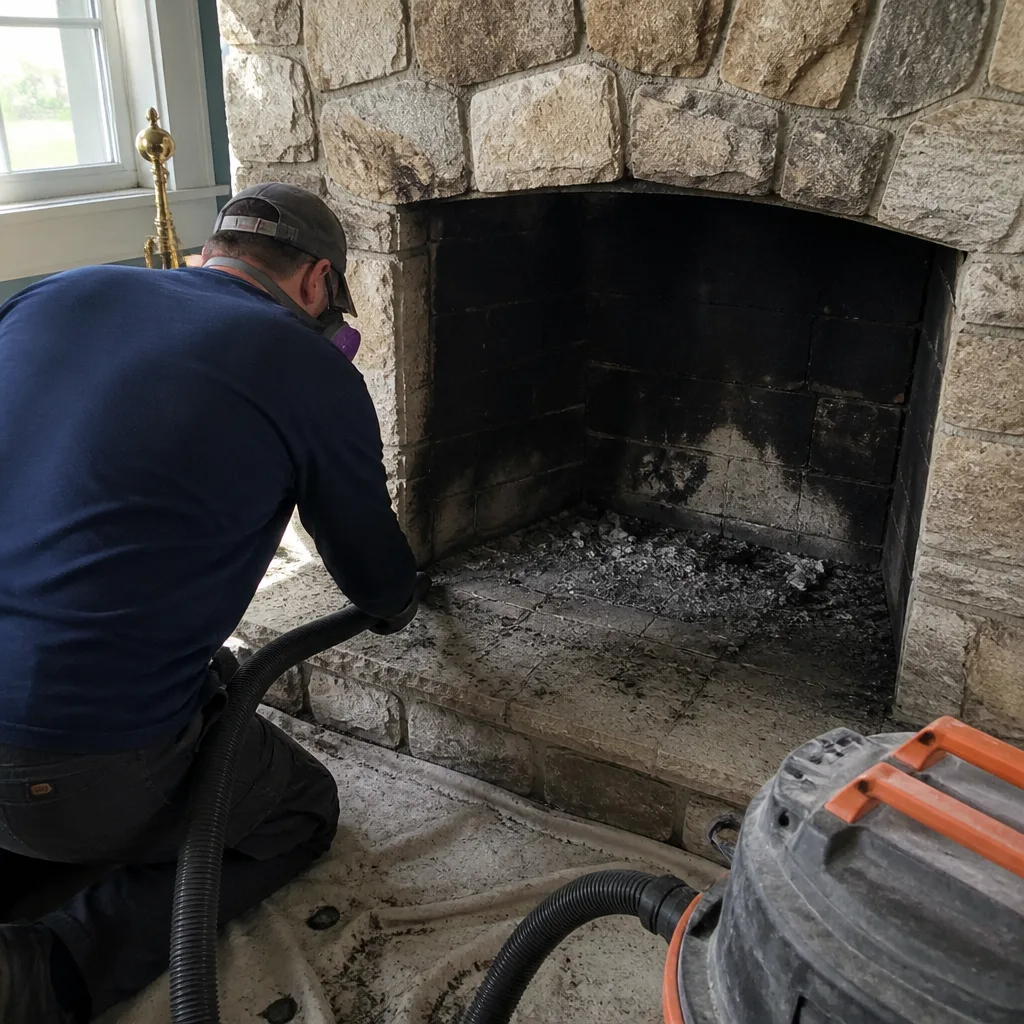 Before
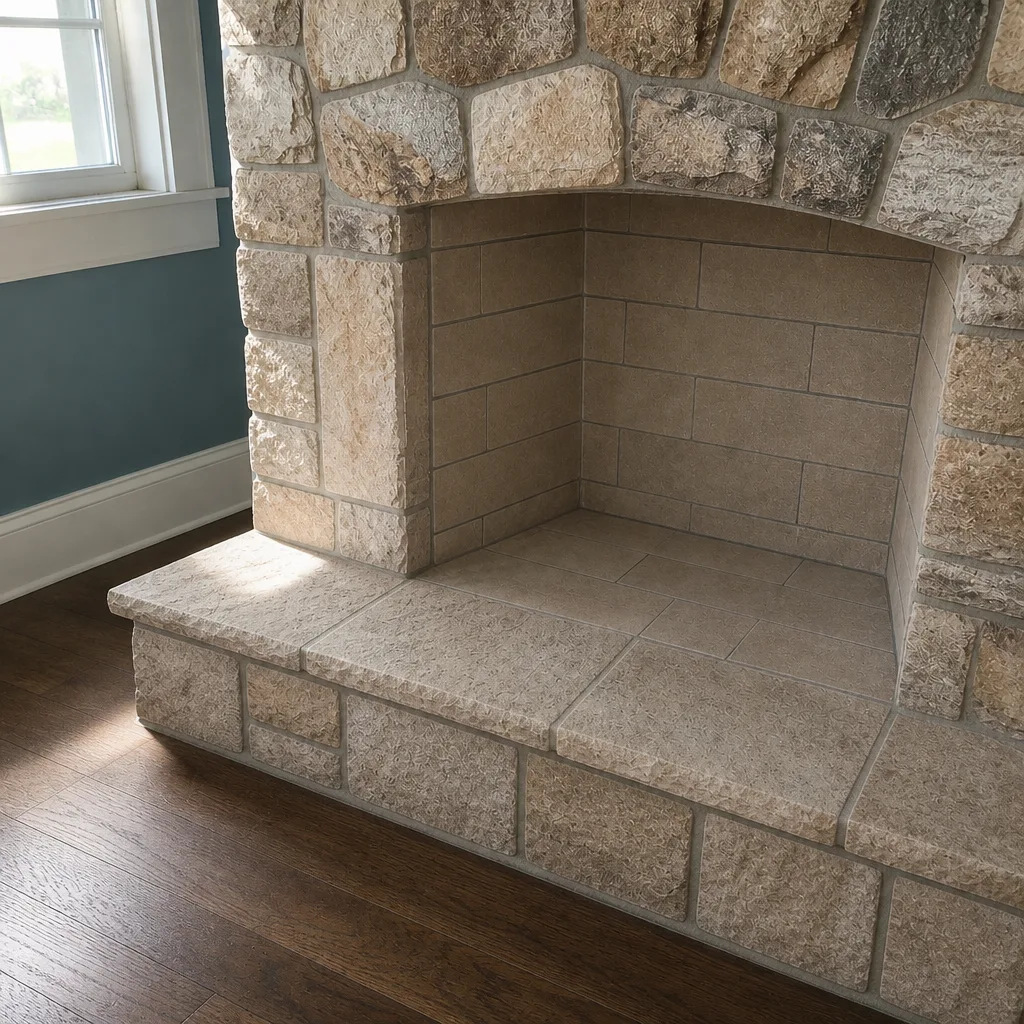 After
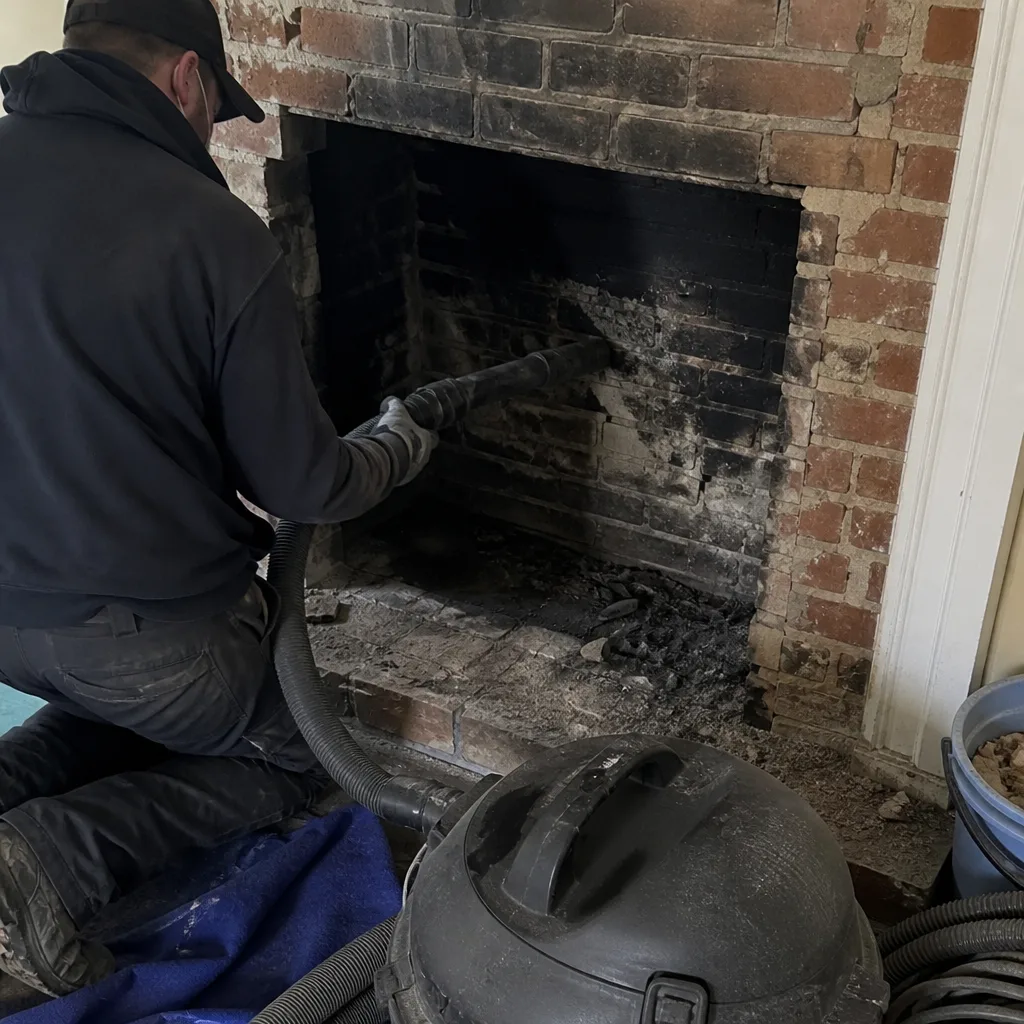 Before
 After
 Before
 After
When to Call a Professional
Call a professional if you haven’t had your chimney cleaned and inspected in the past year, if you’ve noticed smoke backing into the room, if the firebox or damper looks damaged, or if you’re buying or selling a property with a fireplace. Call immediately if you’ve had a chimney fire, if you smell gas or notice soot falling into the firebox, or if you suspect a blockage. If your co-op board has requested documentation before approving work, that’s also a call – a documented inspection is the starting point for the approval. Chimney Sweep Upper East Side offers free estimates in Upper East Side – call (877) 492-4134. We answer 24/7. Fast dispatch from 7am to 7pm, Sunday through Friday.
Frequently Asked Questions
No. Chimney cleaning in Upper East Side doesn’t require a NYC Department of Buildings permit because sweeping is maintenance, not construction. Repairs discovered during the cleaning – liner replacement, firebox alteration, flue resizing – usually do require a filing by a licensed contractor of record. Call (877) 492-4134 for an exact quote on cleaning or repair – estimates are free.
Cleaning and inspection costs depend on the chimney’s condition and access, and repair costs depend on scope. We set the price per job by written estimate, so you know the number before work begins. Call (877) 492-4134 for an exact quote – estimates are free.
Ask for a written report that includes the inspection level, findings for each component, photo or video evidence of any deficiency, and a clear separation between immediate and deferred recommendations. That report is what your co-op board, insurance carrier, or a buyer’s attorney will want to see. Call (877) 492-4134 to schedule an inspection and report.
Often, yes. Upper East Side co-ops frequently require an alteration agreement, contractor vetting, and scope review before chimney work begins, even when the work is within your unit. Check with your managing agent before scheduling. Call (877) 492-4134 to discuss what documentation your board may need.
Annual cleaning and inspection is the baseline expectation, and it’s what FDNY requirements for wood-burning fireplaces in multi-family buildings assume. Heavier use or burning unseasoned wood may call for more frequent cleaning. Call (877) 492-4134 to book an annual cleaning.
Unpermitted structural work can trigger a stop-work order, create liability for the owner, and complicate a future sale when a buyer’s inspector flags it. The licensed contractor of record is responsible for filing, which is one reason to confirm licensing before liner or masonry work begins. Call (877) 492-4134 if you’re unsure whether your scope requires a filing.
The Bottom Line
Cleaning your Upper East Side chimney is a maintenance act that doesn’t require a permit. Repairing it is construction that often does. The line between the two is where most confusion lives, and it’s crossed more often than homeowners expect – usually right after an inspection reveals a cracked liner or a damaged crown. Get a written report after every cleaning, ask your contractor whether the scope triggers a DOB filing, check with your co-op board before scheduling, and keep the paperwork. Those four habits protect you at a closing, during an insurance claim, and when the next inspection rolls around.
Chimney Sweep Upper East Side specializes in chimney and fireplace services, and we work with professional-grade materials from DuraFlex, HeatShield, Olympia Chimney, Famco, and Copperfield. Our technicians have up to 10 years of experience, and every recommendation we make comes with camera evidence you can see for yourself.
Call (877) 492-4134 for a free estimate. We answer 24/7. Fast dispatch from 7am to 7pm, Sunday through Friday.
Written by the team at Chimney Sweep Upper East Side.